Understanding and effectively addressing pelvic floor issues
Whether it is incontinence, pelvic pain, or a sensation of pelvic organ prolapse – pelvic floor issues have various causes and require precise assessment. We combine pelvic floor therapy and targeted training into a comprehensive, effective approach.
Loss of control under stress
Coughing, sneezing, laughing, exercising – and suddenly, control is lost. Stress incontinence is one of the most common pelvic floor symptoms; it occurs when the muscles no longer react reliably to an increase in pressure.
Pain, pressure, or a feeling of heaviness
A sensation of pressure in the pelvis, pain when sitting, or a feeling as if something is pushing downwards – these symptoms can indicate pelvic floor weakness, myofascial tension, or pelvic organ prolapse.
Too much tension instead of too little
Not every pelvic floor is too weak. Persistently high tension can cause pain during sex, difficulty urinating, or chronic pelvic floor pain – and requires a different treatment approach than conventional pelvic floor strengthening.
Briefly explained
What can lie behind pelvic floor problems

You’ve come to the right place if...
Lose control under strain
Feel pain or pressure in the lower pelvis
Strengthen your pelvic floor after childbirth or surgery
Why pelvic floor problems develop
The pelvic floor is part of a complex system; problems rarely stem from a single cause, but rather from the interplay of several factors.
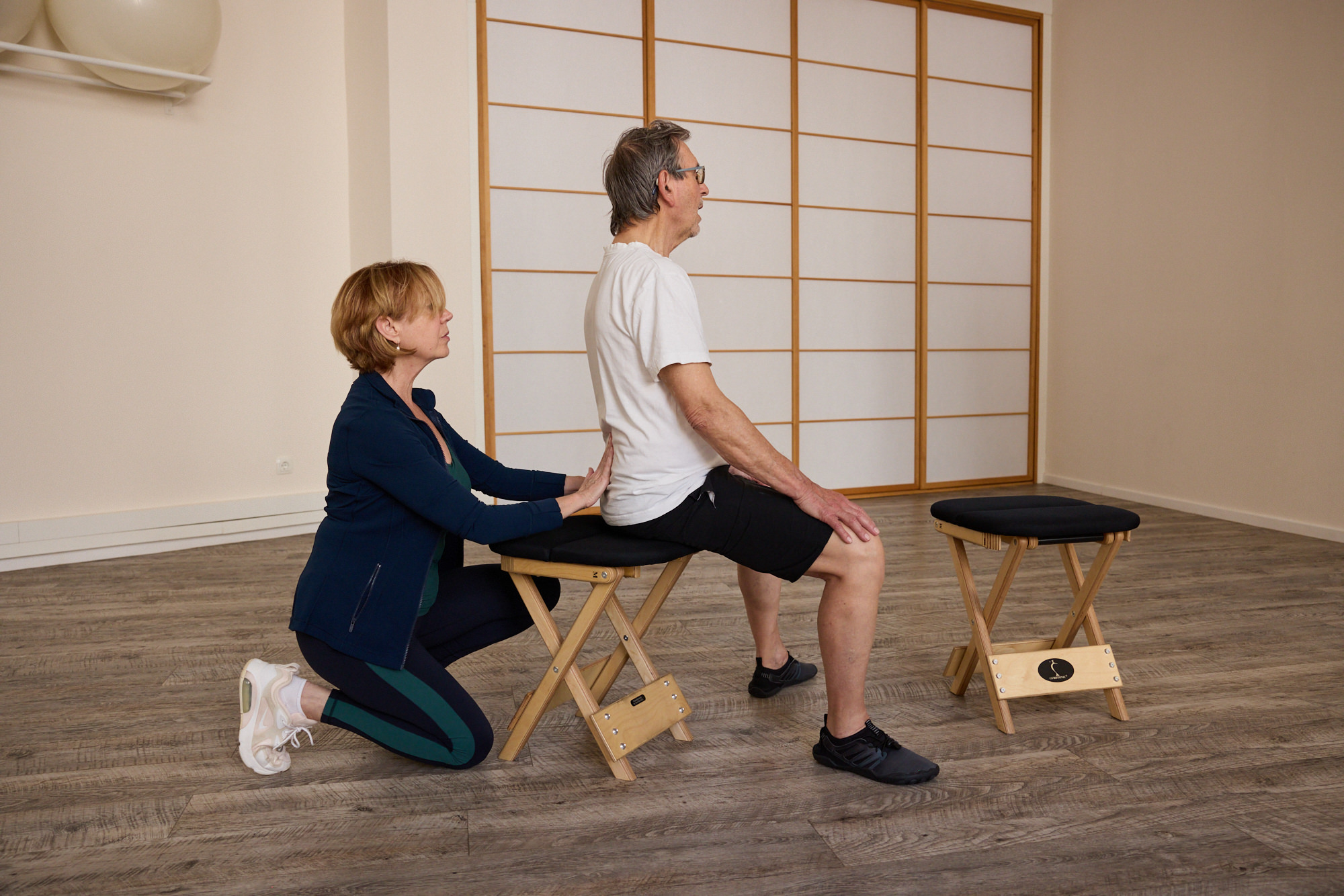
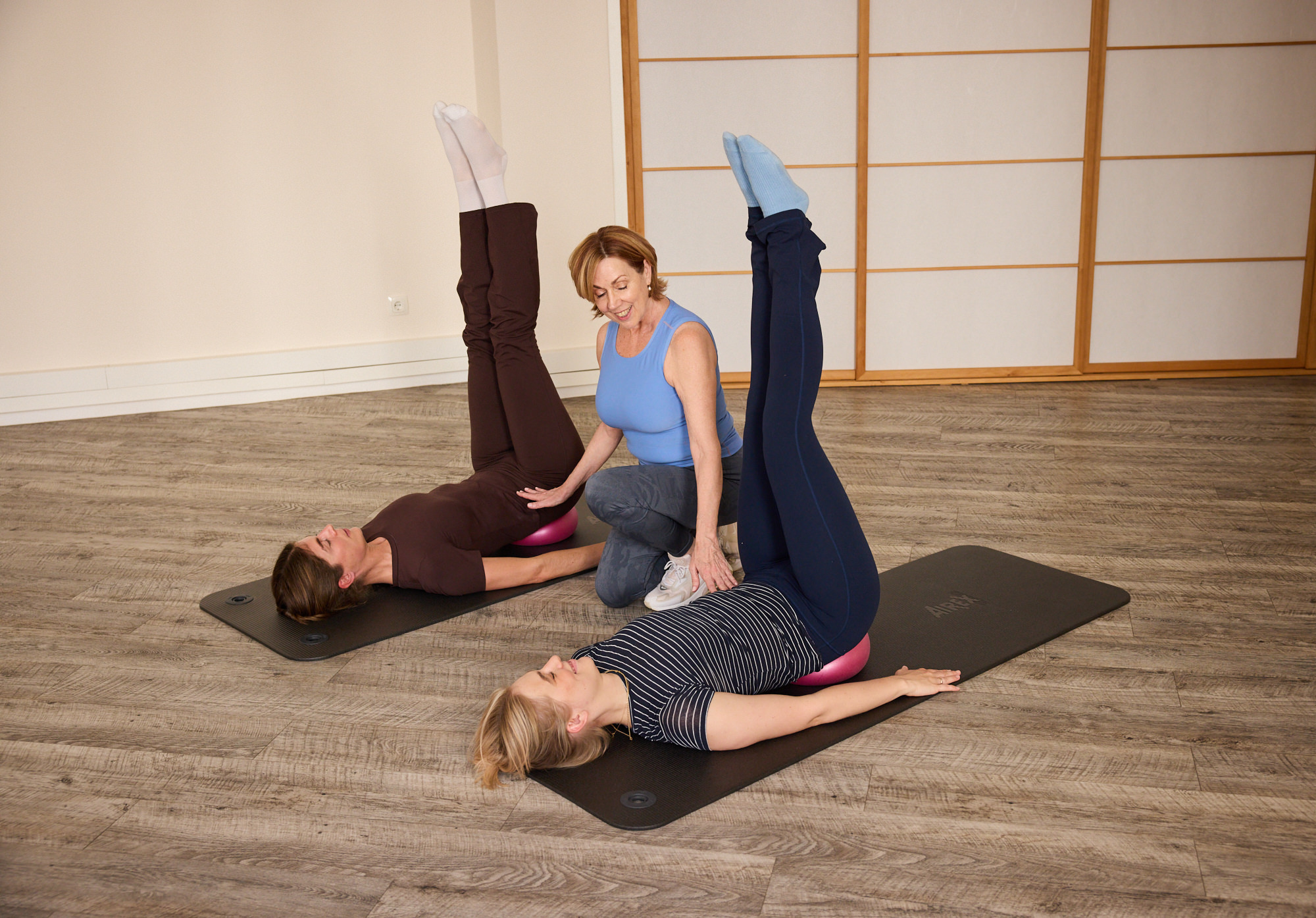
Overview of common triggers
Pregnancy & Childbirth
Hormonal changes, the weight of the baby, and the birth itself place significant strain on the pelvic floor. Without targeted strengthening, symptoms can persist for a long time.
Pelvic surgeries
Following a hysterectomy, prostate surgery, or other pelvic procedures, the muscles require targeted rehabilitation.
Chronically elevated pressure
Persistent straining during bowel movements, chronic coughing, or regular heavy lifting increase intra-abdominal pressure – and place long-term strain on the pelvic floor.
Constant tension & Stress reactions
Psychological strain, trauma, or chronic stress can lead to persistent tension in the pelvic floor – resulting in pain.
Lack of coordination between breathing and the trunk
The pelvic floor, diaphragm, and trunk muscles work as a unit. If this coordination is disrupted, improper loading occurs – even without a direct injury.
Hormonal changes
During menopause, tissue changes – elasticity and muscle strength decrease. This makes the pelvic floor more susceptible to issues that did not occur previously.
Pelvic Floor Therapy
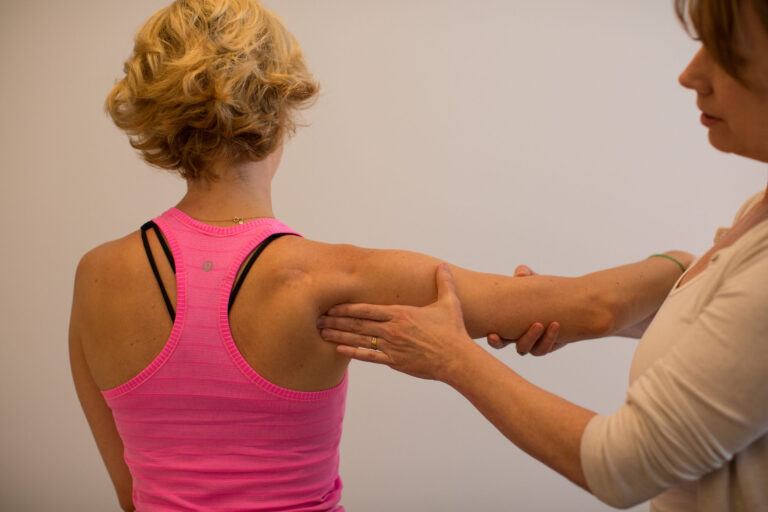
We begin with a comprehensive medical history and assessment. Depending on the findings, we employ manual techniques and targeted activation or relaxation of the pelvic floor muscles – tailored to the underlying issue. Jennifer Lämmerhirt specializes in pelvic floor therapy for women and men and is certified by the Herman & Wallace Pelvic Rehabilitation Institute.
Training & Prevention
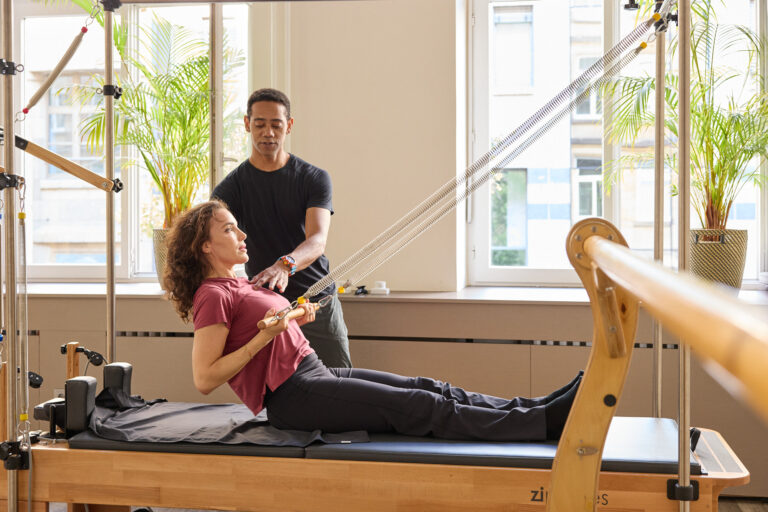
If you are dealing with specific issues or wish to take a preventive approach, targeted pelvic floor training is the ideal starting point. Awareness, coordination, strength, and relaxation are built up gradually – in a way that is practical for everyday life and avoids overexertion.
Prenatal & Postnatal
We support you throughout pregnancy and childbirth with a tailored program – ranging from safe physical activity during pregnancy to structured postnatal recovery.
How we treat pelvic floor issues
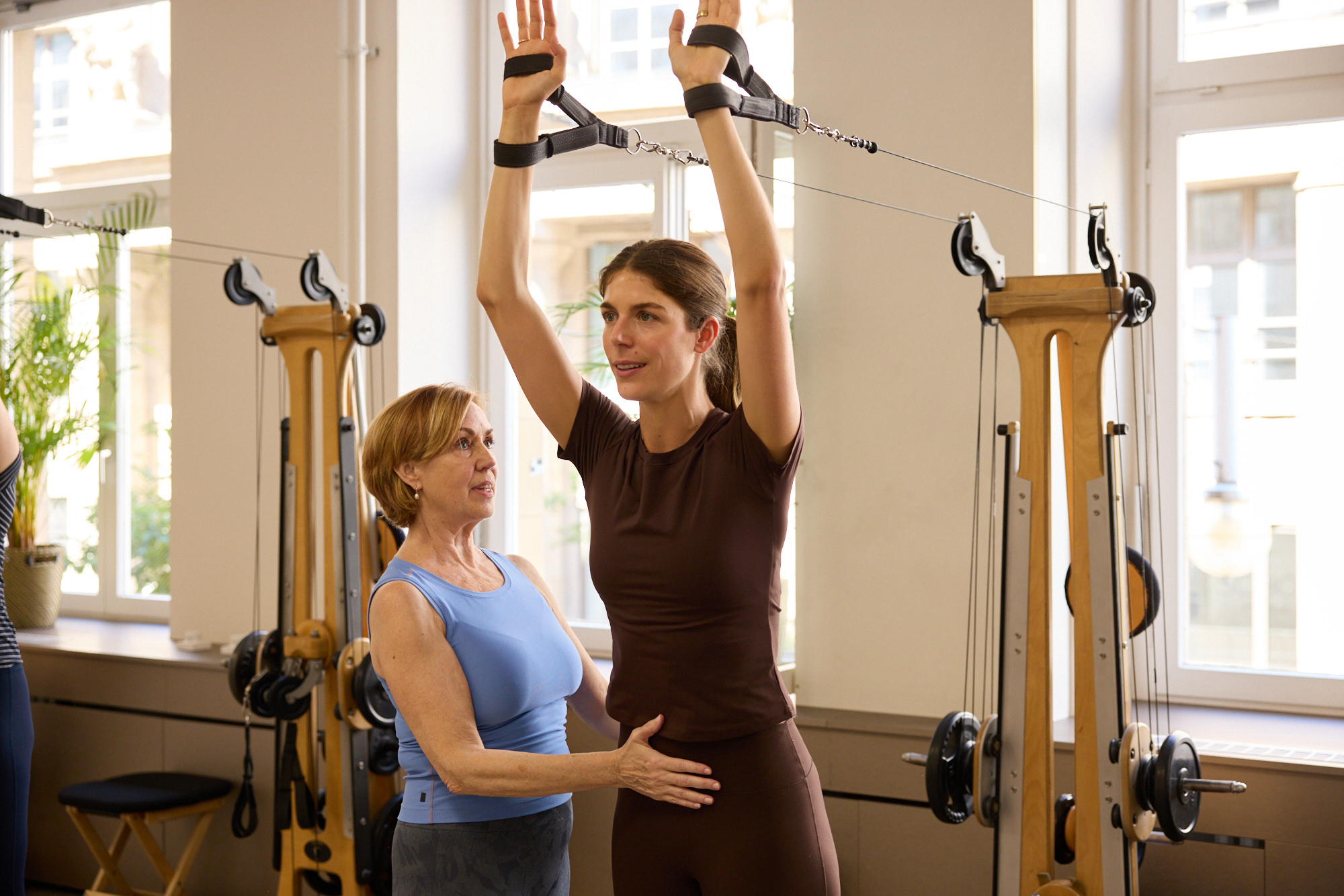
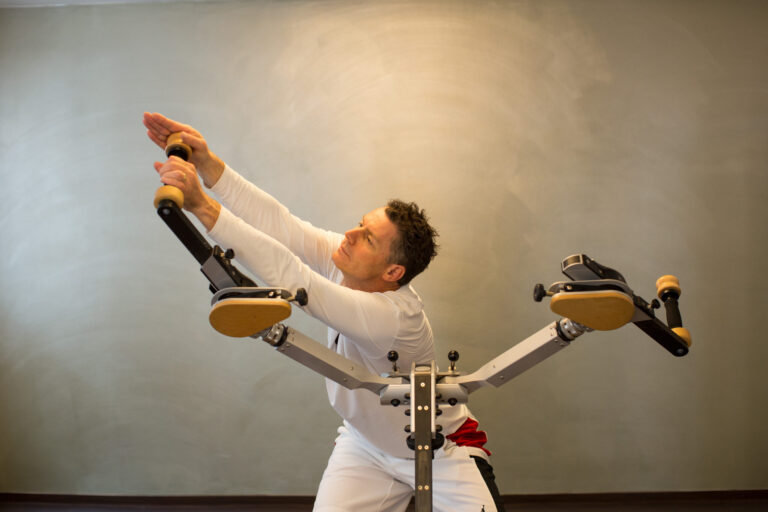
Appropriate services for pelvic floor issues

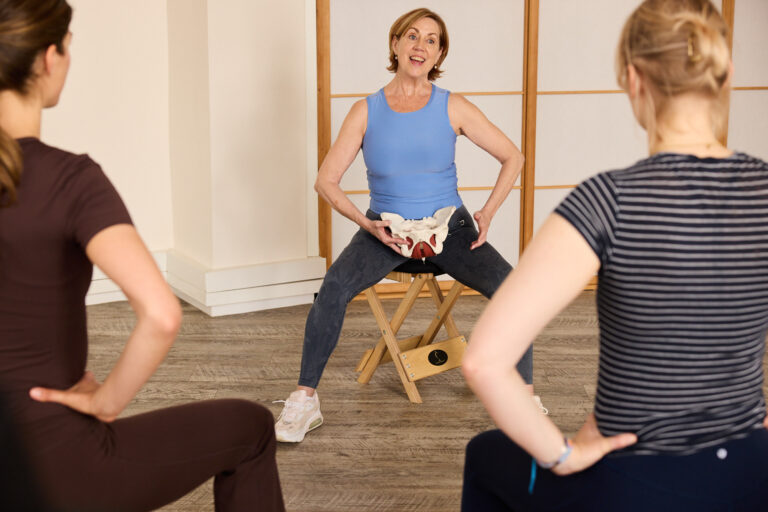

What you can do yourself
Not every pelvic floor exercise is suitable for every situation. Those with excessive tension should not focus on further strengthening, while those lacking coordination need awareness training first rather than strength work. Therefore: no standard program without a prior assessment.
What helps in most cases: consciously using breathwork, reducing pressure spikes in daily life – such as when lifting, coughing, or exercising – and recognizing protective movement patterns. We tailor the specific exercises to your needs following the initial assessment.

Did you know?
Health insurance subsidy available
Depending on the course format, certified prevention courses under Section 20 of the Social Code Book V (SGB V) may be eligible for subsidies from statutory health insurance funds. You can find details on our prevention courses page.
FAQ – Frequently asked questions about pelvic floor problems
Didn't find what you were looking for? We would be happy to assist you personally.
What could be the underlying cause of pelvic floor problems?
Insufficient strength, poor coordination, or chronically excessive tension – all three can cause symptoms but require different treatment approaches. A precise classification is determined during the assessment.
Is pelvic floor therapy only for women?
No. Men, too, can be affected by pelvic floor issues – following prostate surgery, or in cases of incontinence or chronic pelvic floor pain. We treat both women and men.
When is pelvic floor therapy advisable – and when is exercise enough?
Therapy is the right starting point for pain, incontinence, a sensation of pelvic organ prolapse, or post-operative recovery. Exercise is appropriate when there are no acute symptoms and the focus is on strengthening and prevention.
How long does it take for pelvic floor symptoms to improve?
This varies from person to person. Initial changes in how your body feels often appear early on, but lasting results generally require several weeks to months of consistent effort – including between sessions.
Do I need a prescription for pelvic floor therapy?
Physiotherapy can be prescribed by a doctor. If you have private health insurance, wish to pay for treatment yourself, or hold supplementary insurance for naturopathic treatments in addition to your statutory health insurance, we will discuss the options that are right for you in a transparent manner.
How does billing work in your private practice?
We bill via private health insurance, state aid schemes (Beihilfe), or as a self-pay service. Physiotherapy is billed according to the GebüH fee schedule, and naturopathic services according to the GebüH HP schedule. Please feel free to contact us if you have any questions regarding billing.
Contact & Appointment
If you would like to request an appointment, you've come to the right place. Simply fill out the form – we will get back to you.
Monday to Friday:
8:00 a.m. to 6:00 p.m.
(Appointments by arrangement)
Phone +49 (0) 69 92038093
Email: info@praxis-laemmerhirt.de