Knee pain and joint complaints – identifying causes and treating them effectively
Whether climbing stairs, playing sports, or simply going about daily life – knee pain is limiting and unsettling. We individually assess the underlying cause of your discomfort and combine treatment with a sensible program to build up your resilience and load-bearing capacity.
Pain upon exertion and movement
Pain when climbing stairs, squatting, walking, or standing up after sitting for a long time – the knee makes itself felt precisely when under load. Muscular imbalances, improper loading of the leg axis, or overuse are often the underlying causes.
Swelling, stiffness, and instability
A swollen knee after exercise, morning stiffness, or the sensation that the knee is giving way – these symptoms may indicate issues with joint structures, ligaments, or cartilage and require precise assessment.
Pain after injury or surgery
Following a cruciate ligament tear, meniscus injury, or knee surgery, the rehabilitation process is crucial – timing it neither too early nor too late is key. How the load is gradually increased plays a decisive role in the long-term outcome.
Briefly explained
What might be behind knee pain

You’ve come to the right place if...
The knee hurts or gives way under load
The knee swells, is stiff, or feels unstable
You want to rebuild strength after a knee injury or surgery
Why knee pain develops and persists
The knee is a complex joint – and rarely the sole source of the problem. The alignment of the leg, the hip, or foot positioning often plays a decisive role.


Overview of common triggers
Malalignment of the leg axis
If the foot, knee, and hip do not work together optimally, the knee joint is subjected to sustained pressure exceeding what it can tolerate – often developing gradually and without a specific triggering event.
Muscular imbalances
Weak thigh or gluteal muscles cause the knee to become unstable. Excessive tension in the iliotibial band or calf muscles pulls on the joint capsule.
Overexertion in sports
Increasing volume or intensity too quickly – whether in running, cycling, or team sports – is one of the most common triggers for knee pain in the absence of an acute injury.
Injuries & structural damage
Cruciate ligament tears, meniscus injuries, cartilage damage – these injuries require a clear rehabilitation plan. How well the knee functions afterwards depends crucially on the rehabilitation process.
Osteoarthritis & degenerative changes
Cartilage changes with age – but osteoarthritis does not necessarily mean pain or limitations. Targeted exercise can significantly reduce symptoms.
Compensatory patterns following painful experiences
Anyone who has experienced knee pain moves differently – often unconsciously. These compensatory movement patterns place strain on other structures and prolong discomfort longer than necessary.
Physiotherapy & Manual Therapy
We view the knee, leg axis, and movement patterns as a single unit. Manual techniques, targeted mobilization, and myofascial treatment lay the foundation for pain reduction and improved movement.
Physiotherapy & active rehabilitation
Targeted strengthening of the thighs, glutes, and core – functional and adapted to everyday life. We increase the load gradually and safely.
Training & Prevention
Once the acute phase has been overcome, we transition to active conditioning – incorporating athletic training, coordination exercises, and movement routines for daily life and sports.
How we treat knee pain

Suitable services for knee pain
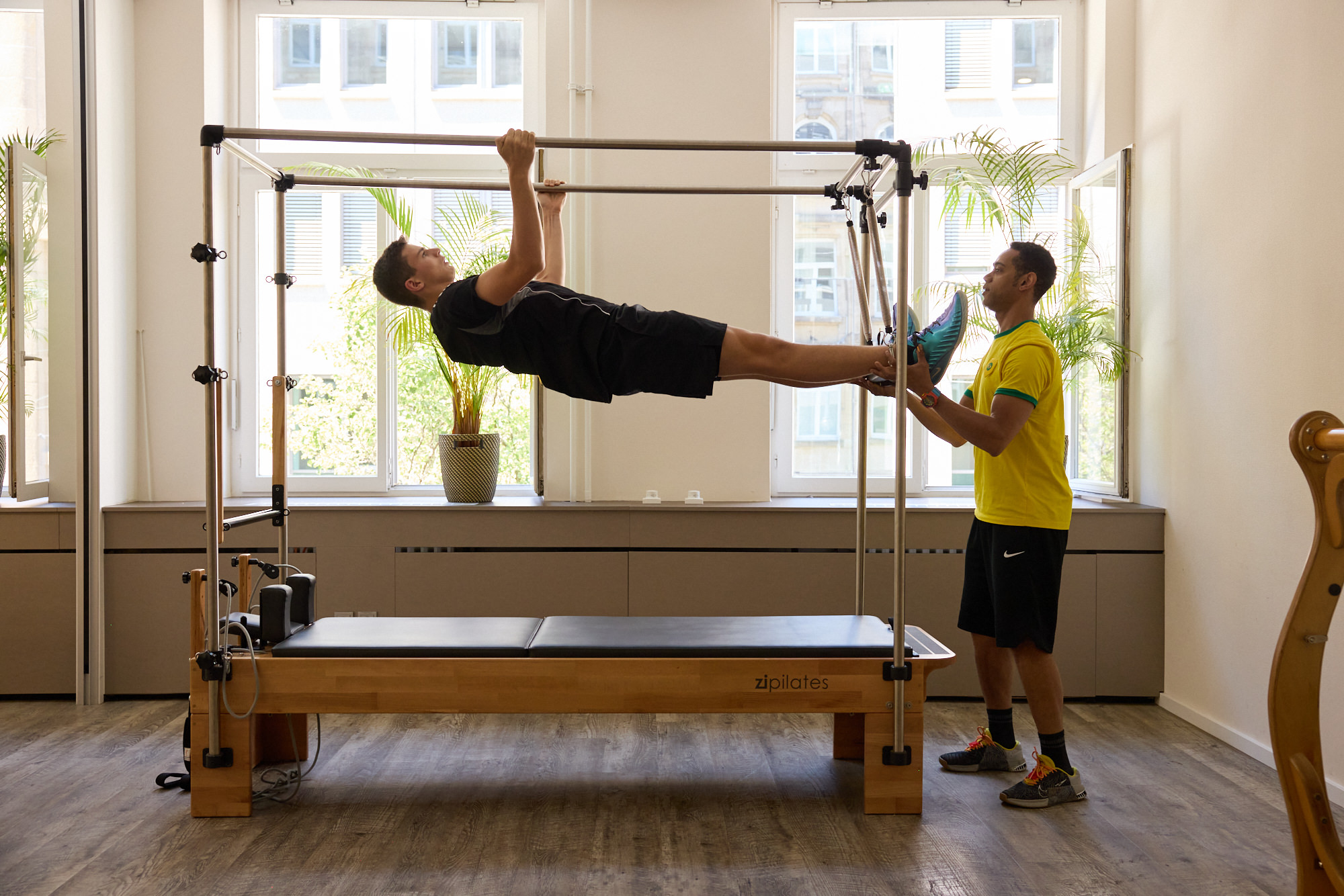

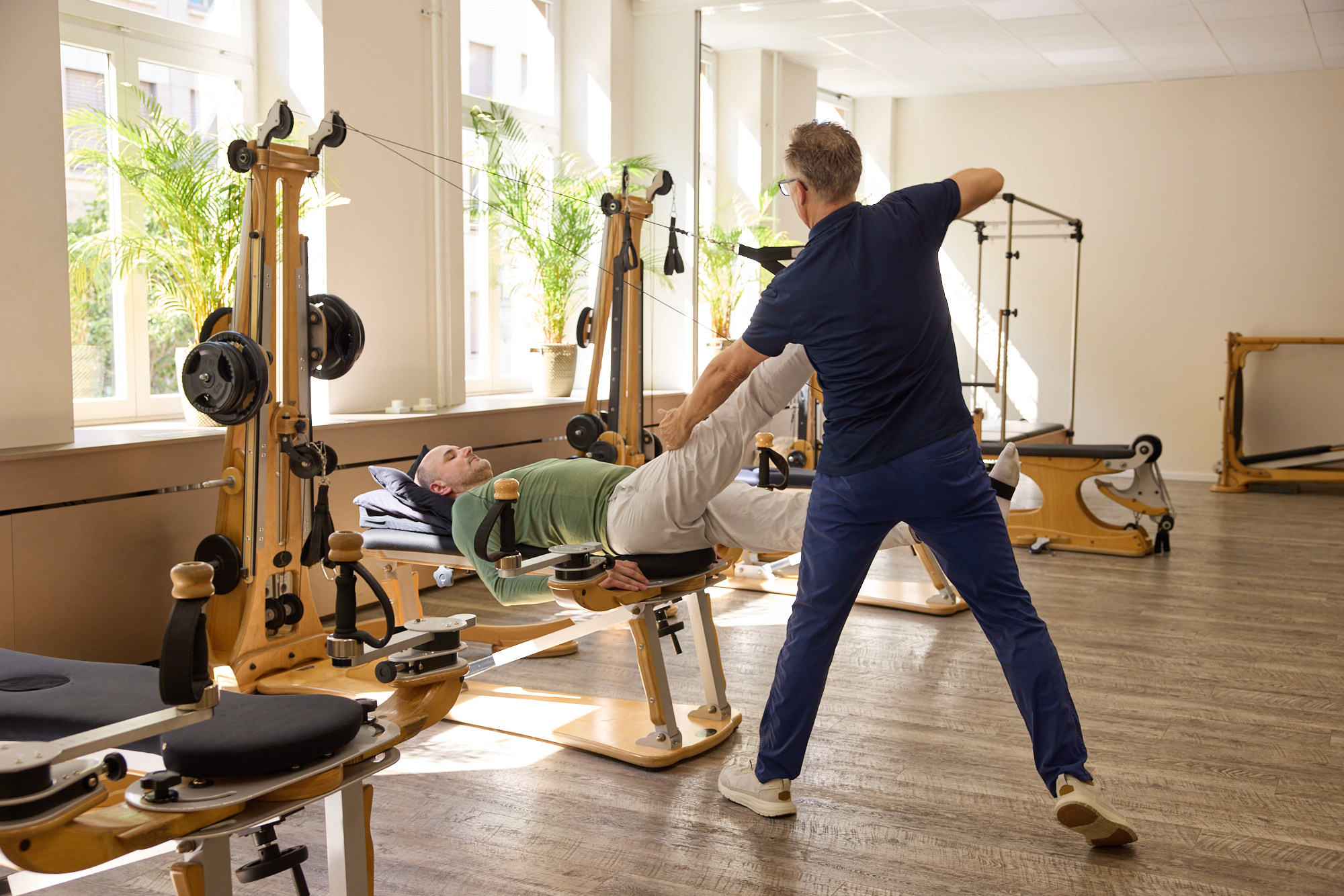

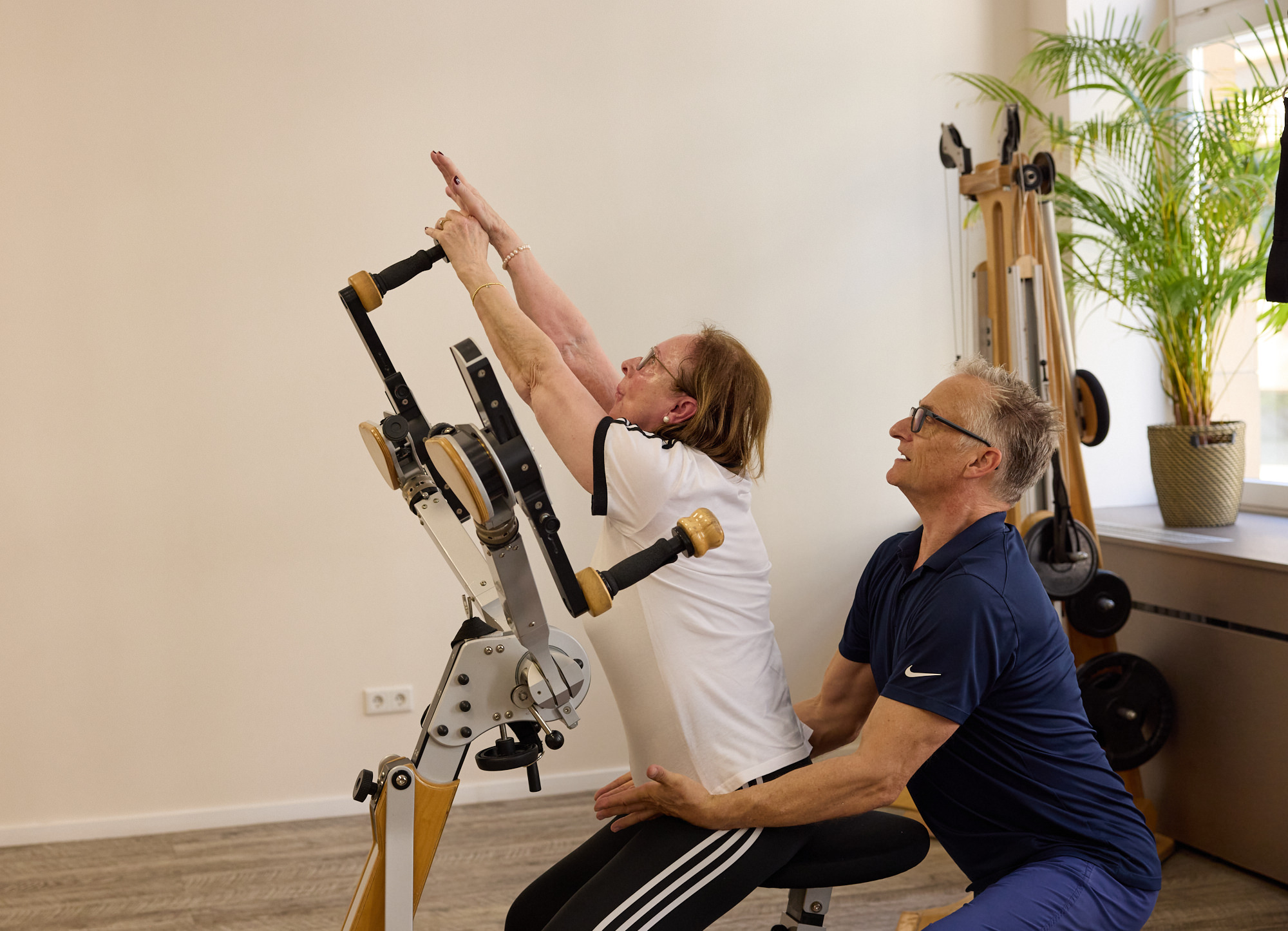
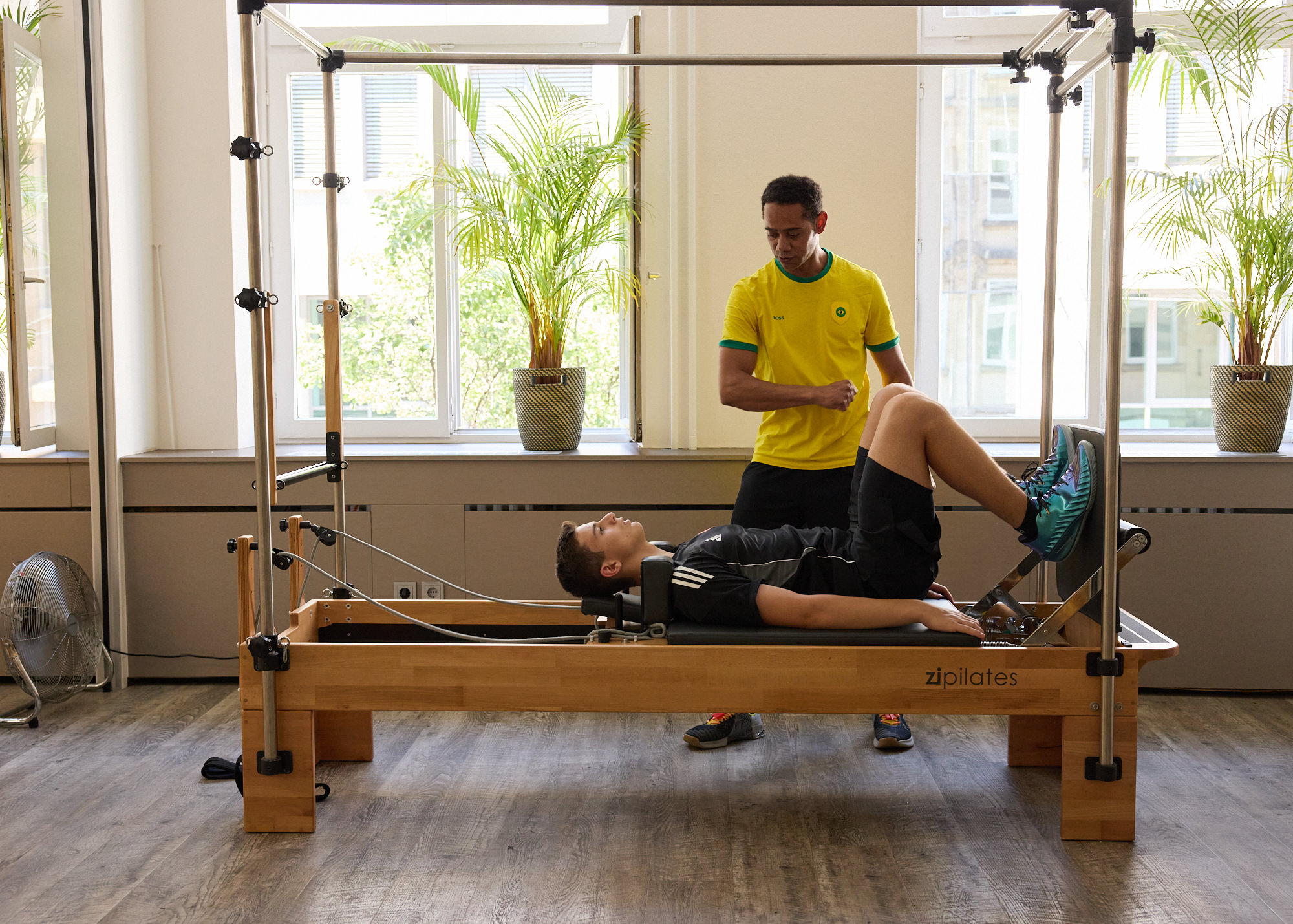
What you can do yourself
Knee pain rarely goes away through rest alone – but improper loading makes it worse. Moderate exercise that does not overstrain the knee is better than rest in most cases.
Swelling and warmth following physical exertion are signals from the body – indicating that the knee is currently being subjected to more strain than it can handle. Apply cooling measures in the short term, reduce the load, and monitor the situation. We will tailor the specific exercises and daily strategies to your individual needs based on the clinical findings.

Did you know?
Health insurance subsidy available
Depending on the course format, certified prevention courses under Section 20 of the Social Code Book V (SGB V) may be eligible for subsidies from statutory health insurance funds. You can find details on our prevention courses page.
FAQ – Frequently asked questions about knee pain
Didn't find what you were looking for? We would be happy to assist you personally.
What could be behind knee pain?
Muscle imbalances, malalignment of the leg axis, sports-related overuse, or structural changes such as meniscus or cartilage damage – an exact classification is provided in the clinical findings.
When should I see a doctor for knee pain?
Medical evaluation is advisable in cases of severe swelling following an accident, joint instability or a sensation of the joint locking, pain that intensifies at night, or after a fall or twisting injury.
Does physiotherapy help with knee osteoarthritis?
Yes. Targeted exercise and physiotherapy can significantly reduce symptoms associated with osteoarthritis – even without surgery. The key lies in properly building strength and mobility.
How long does rehabilitation take after knee surgery?
That depends on the type of surgery and your individual progress. We guide the rehabilitation process step by step – at a pace that suits your recovery.
Can physiotherapy be prescribed for knee pain?
Physiotherapy can be prescribed by a doctor. If you have private health insurance, wish to pay for treatment yourself, or hold supplementary insurance for naturopathic treatments in addition to your statutory health insurance, we will discuss the options that are right for you in a transparent manner.
How does billing work in your private practice?
We bill via private health insurance, state aid schemes (Beihilfe), or as a self-pay service. Physiotherapy is billed according to the GebüH fee schedule, and naturopathic services according to the GebüH HP schedule. Please feel free to contact us if you have any questions regarding billing.
Contact & Appointment
If you would like to request an appointment, you've come to the right place. Simply fill out the form – we will get back to you.
Monday to Friday:
8:00 a.m. to 6:00 p.m.
(Appointments by arrangement)
Phone +49 (0) 69 92038093
Email: info@praxis-laemmerhirt.de
