Pelvic Floor Training in Frankfurt – Strengthening Stability, Posture, and Quality of Life
A resilient pelvic floor is the foundation for a stable core, upright posture, and a confident sense of your body in everyday life. We guide you through a clear, structured approach – from developing body awareness to establishing a routine suitable for daily life.
Perception & Control
Before strength can be built, you need to be able to feel the muscles. We work specifically on enabling you to consciously activate your pelvic floor and use it in a differentiated way.
Coordination & Breathing
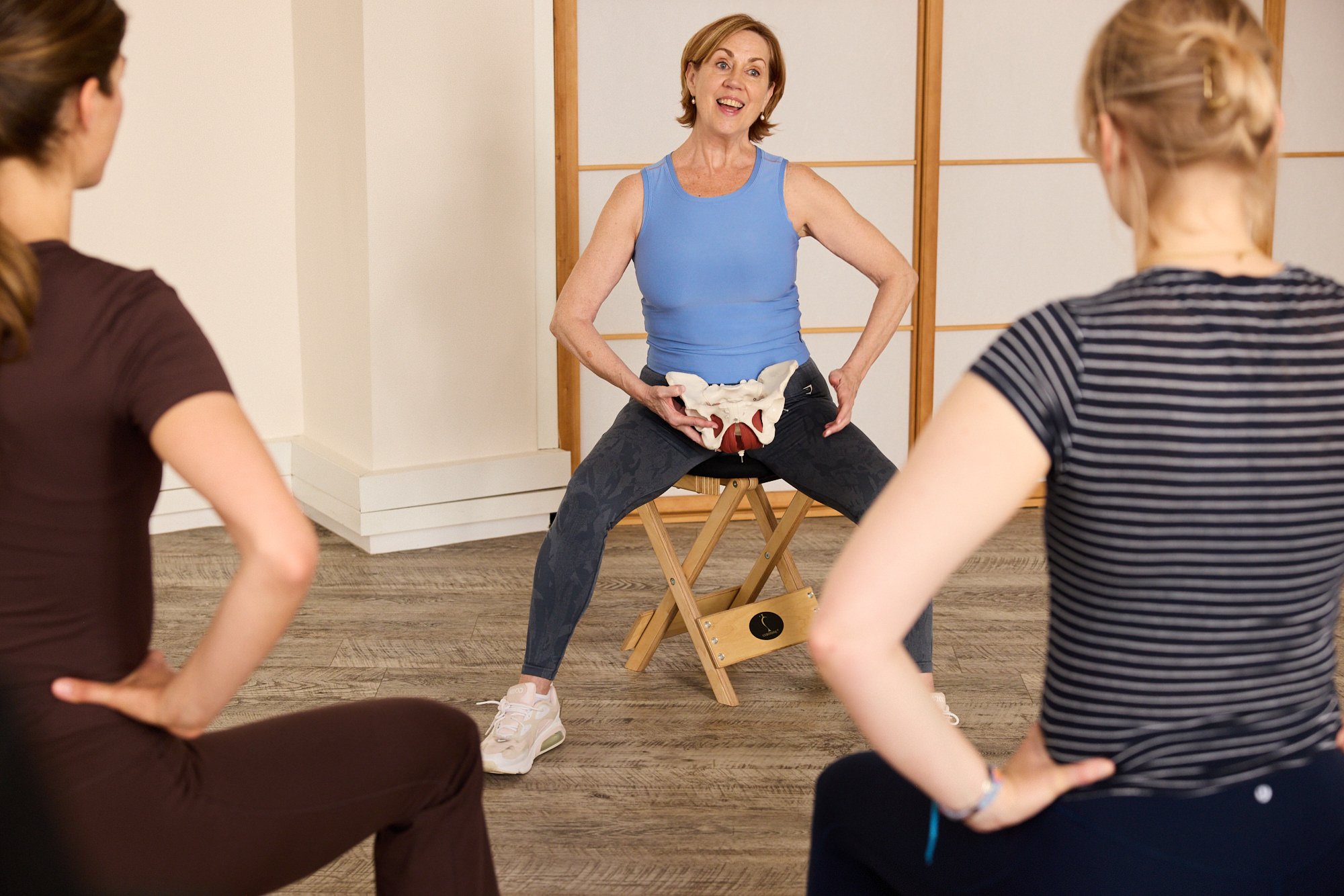
The pelvic floor does not work in isolation. It is part of a system comprising the diaphragm, trunk muscles, and spine – and we train this interplay right from the start.
Structure & Daily Routine
Strength, relaxation, and resilience are built up gradually. The goal: the pelvic floor engages automatically and reliably during lifting, walking, coughing, or sports.
You’ve come to the right place if...
Stability & Posture
Make the pelvic floor secure under load
Improve coordination and body awareness.
Training or therapy
Pelvic floor training and pelvic floor therapy have different starting points. To ensure you take the right path from the very beginning, the following points will help you distinguish between them.
Pelvic floor training (training & prevention)
Pelvic floor therapy (physiotherapy)
What pelvic floor training is particularly useful for
A pelvic floor conditioned through preventive training benefits several areas of the body that are often interconnected in daily life. It is relevant not only for women after childbirth but for anyone wishing to maintain the resilience of their core over the long term. It is not always about strength, however: some people have a pelvic floor that is under constant tension. In such cases, working on body awareness and relaxation is just as important as building strength.


Common topics we help with
Posture & Back
As part of core stability, the pelvic floor relieves the spine - a targeted build-up can prevent incorrect strain and back problems.
Continence security
During physical exertion – such as coughing, sneezing, exercising, or lifting – a well-coordinated pelvic floor can provide functional support to the sphincter mechanism.
Organ Protection & Stability
Targeted training can strengthen the stability of the bladder, uterus, and bowel, and help prevent prolapse.
Coordination of breathing and the trunk
The pelvic floor, diaphragm, and core muscles work as a unit. This coordination can be trained – impacting posture, resilience, and body awareness.
Men's health
Preventive pelvic floor training is also beneficial for men – enhancing stability, body awareness, and function in daily life and sports, even as they age.
Relaxation & Letting Go
Not every pelvic floor is too weak. If it is chronically tense, developing awareness and learning to consciously release tension are the first steps – before building strength.
Supplementary components
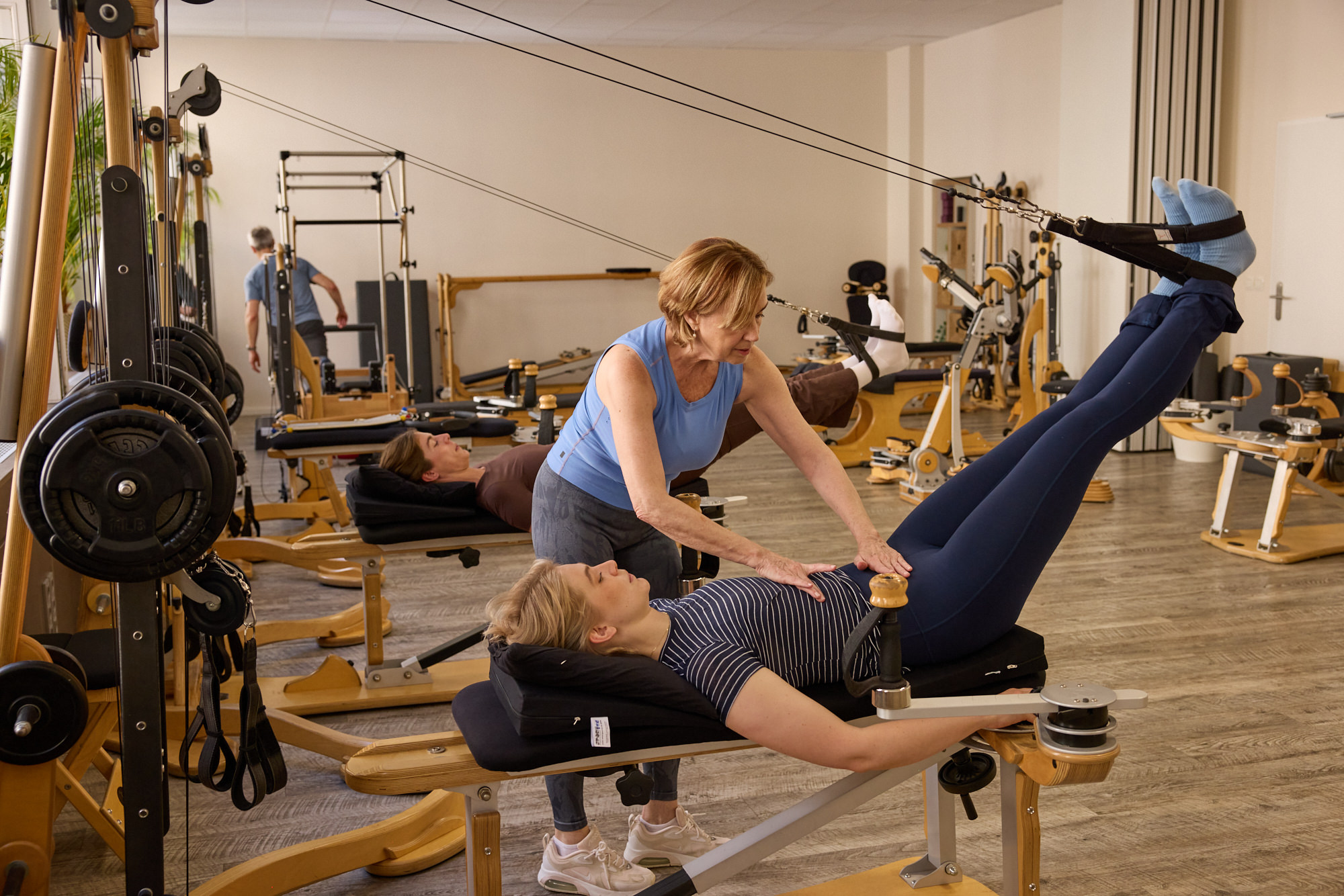
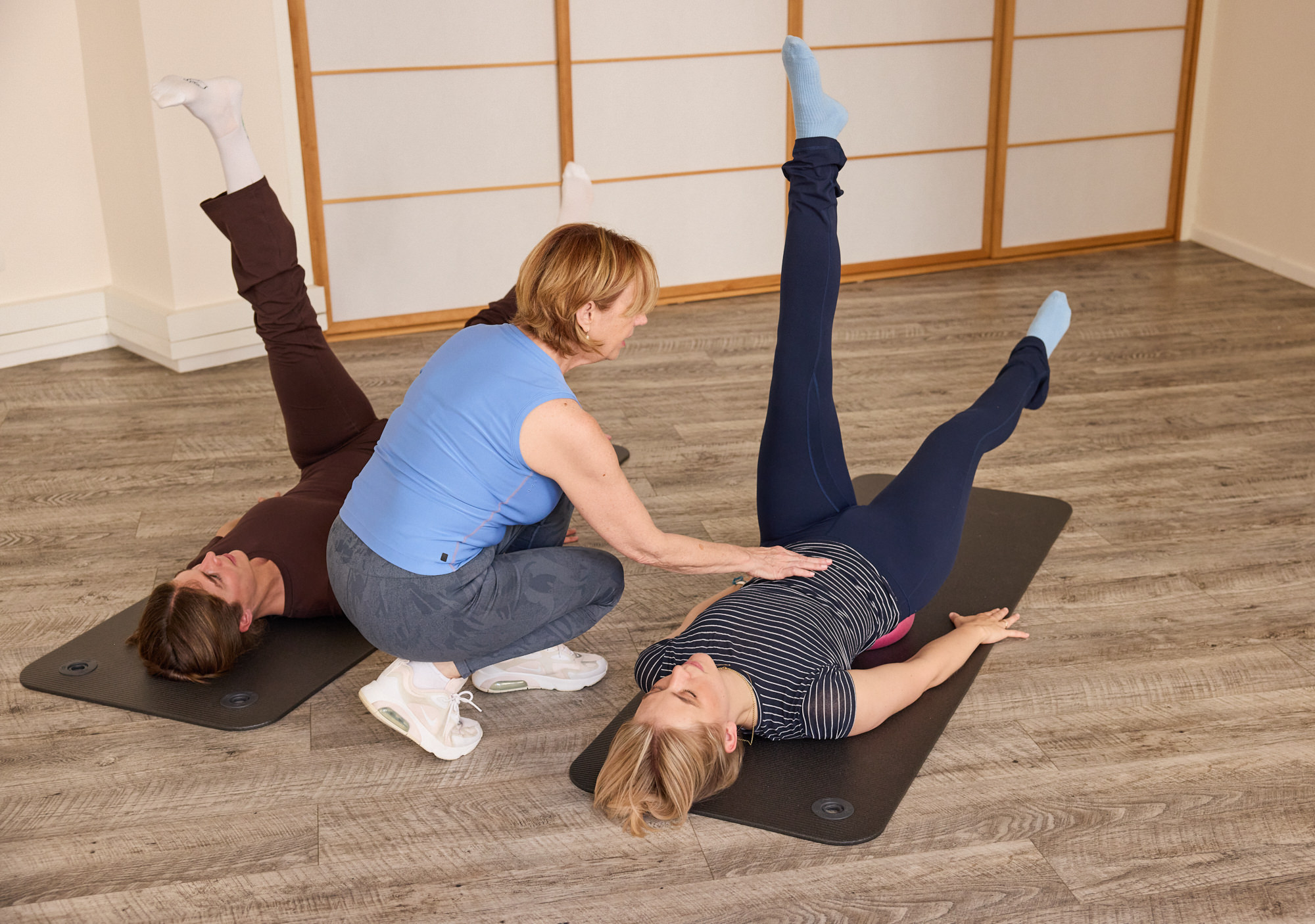
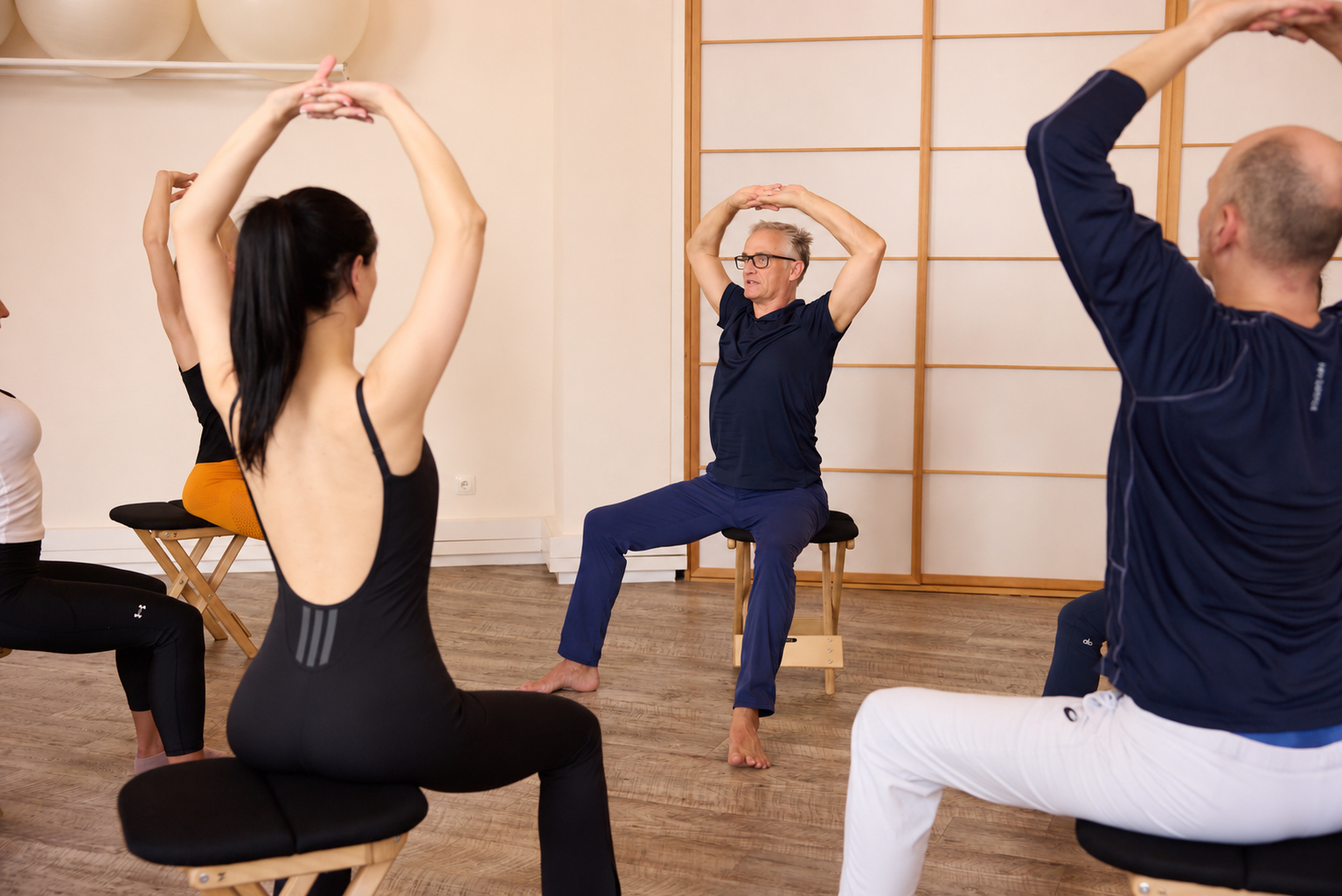
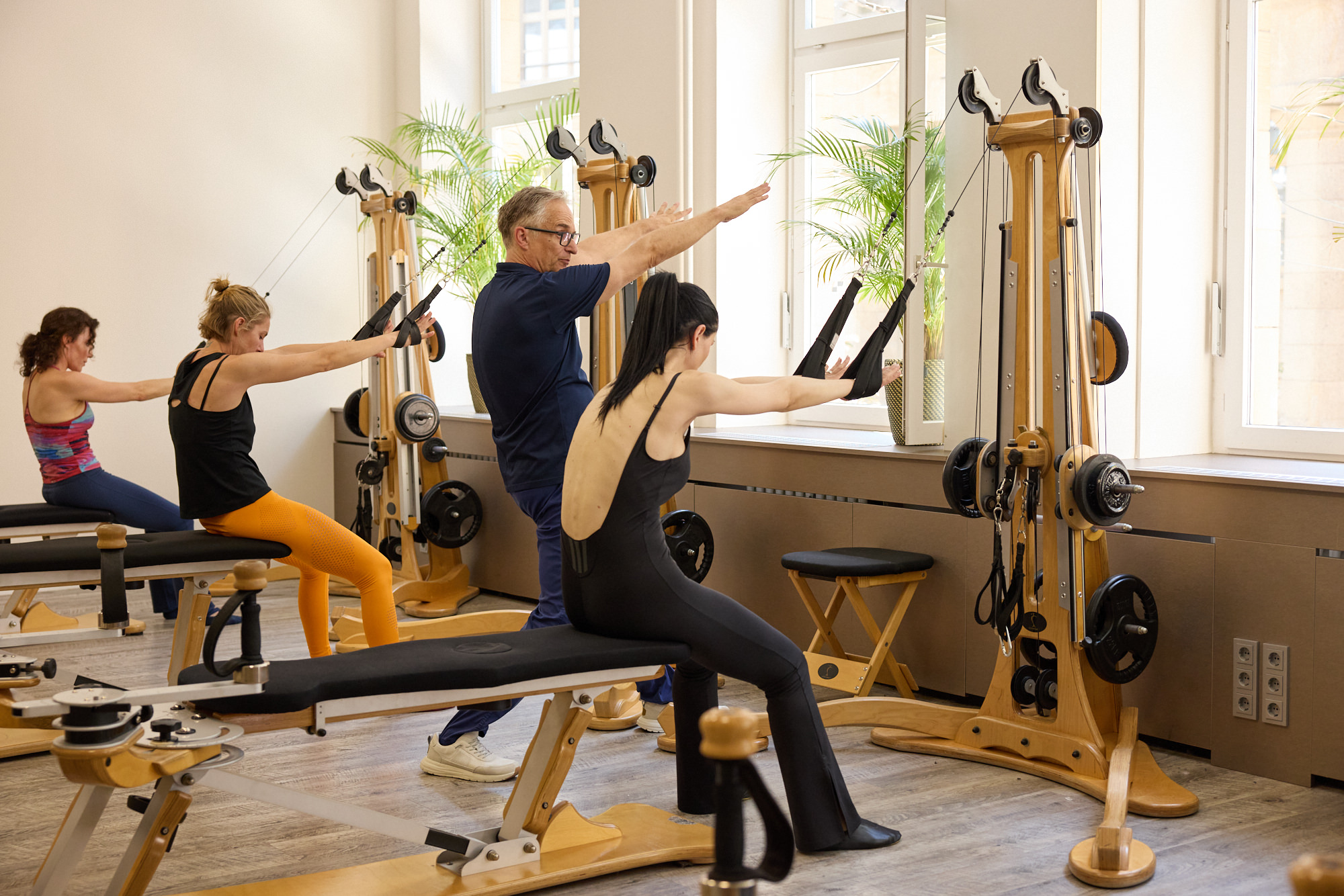
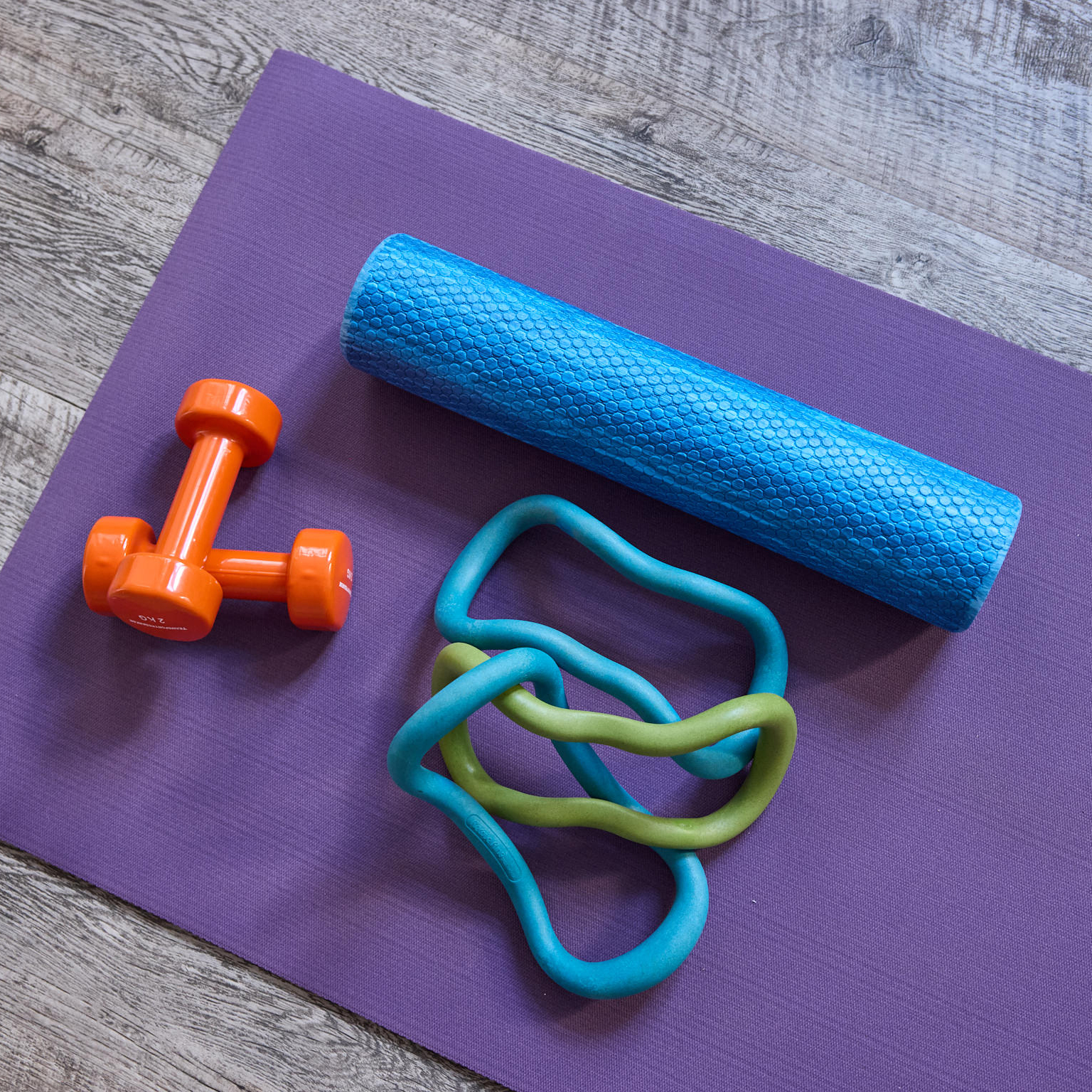
Suitable components that we can add depending on the goal:

How to get started with us
To ensure the training is effective, our approach follows a clear progression – from initial orientation to routines that truly work in everyday life.
Step 1 | Start & Orientation
We clarify your goals, the demands of your daily life, and your current life stage. This determines whether you primarily need strength, relaxation, or coordination – and how the training is structured.
Step 2 | Perception & Control
We make the muscles palpable and explain their interaction with breathing and the torso. We only introduce a load once the activation is mastered.
Step 3 | Structure & Stability
Load-bearing capacity is increased gradually: core stability, posture, and functional strength – measured and without overexertion.
Step 4 | Integration into Daily Life
You will receive exercises that are realistic to carry out – at home, at work, or on the go. Short, practical, and suited to your daily routine.

Did you know?
Health insurance subsidy available
Depending on the course format, certified prevention courses under Section 20 of the Social Code Book V (SGB V) may be eligible for subsidies from statutory health insurance funds. You can find details on our prevention courses page.
FAQ – Frequently Asked Questions
Didn't find what you were looking for? We would be happy to assist you personally.
What is pelvic floor training?
Pelvic floor training is functional training for the body's core. It combines body awareness, coordination, strength, and relaxation – with the goal of enabling the pelvic floor to function automatically and reliably in everyday life.
Who is pelvic floor training suitable for?
For people of all ages who wish to stabilize their core, improve their posture, or work proactively on their resilience – whether in daily life, in sports, or during specific life stages such as pregnancy or older age.
How quickly will I notice progress?
This varies from person to person. Initial changes in body awareness and motor control often appear early on. Establishing reliable routines generally requires several weeks of consistent practice.
Can I get exercises to do at home?
Yes. You will receive exercises tailored to your goal that can be incorporated into your daily routine – enabling you to continue making meaningful progress between appointments.
Is this a prevention course (Section 20)?
Depending on the course format, a subsidy may be available. We would be happy to clarify the details.
What is the difference between pelvic floor training and pelvic floor therapy?
Training is about building a foundation for prevention – fostering stability, coordination, and resilience for daily demands in the absence of acute issues. Therapy is the starting point for addressing ailments, pain, or rehabilitation needs – involving an individualized physiotherapeutic assessment and treatment.
What should I bring to the first appointment?
Wear comfortable clothing and bring any relevant medical reports or test results, if available. Note: As some individuals are sensitive to scents, we ask that you refrain from wearing strong perfume. Please feel free to contact us if you are unsure.
Contact & Appointment
If you would like to request a training session, you’ve come to the right place. Simply fill out the form, and we’ll get back to you.
Monday to Friday:
8:00 a.m. to 6:00 p.m.
(Appointments by arrangement)
Phone +49 (0) 69 92038093
Email: info@praxis-laemmerhirt.de
