Rehabilitation after breast surgery in Frankfurt – gentle strengthening, regaining mobility
Following breast surgery, often more than just the tissue changes: mobility in the shoulder and arm areas, posture, tension levels, and physical resilience all need to find their balance again, step by step. At the Lämmerhirt practice, we support you with physiotherapy – calmly, clearly, and at a pace that suits your recovery process.
The Method
Rehabilitation following breast surgery involves physiotherapeutic support during the healing and recovery phases, aimed at restoring mobility, posture, and functional strength in the upper body. Depending on the course of the surgery, addressing tissue and lymphatic issues may also be beneficial – always in alignment with your clinical findings and medical guidelines.
How we work
We examine which movements are restricted, where tension is held, and what specifically affects you in your daily life. Based on this, we determine the most sensible next steps – explained clearly and structured in small, manageable stages.
Typical goals
Build mobility in the shoulder, arm, and rib cage; improve posture and tension distribution in the upper body; support tissue and scar mobility (subject to medical clearance); and engage in practical, everyday activation and exercises for home.

You’ve come to the right place if...
Regain movement
Shoulder & Arm
Clear plan
We support you during the rehabilitation phase.
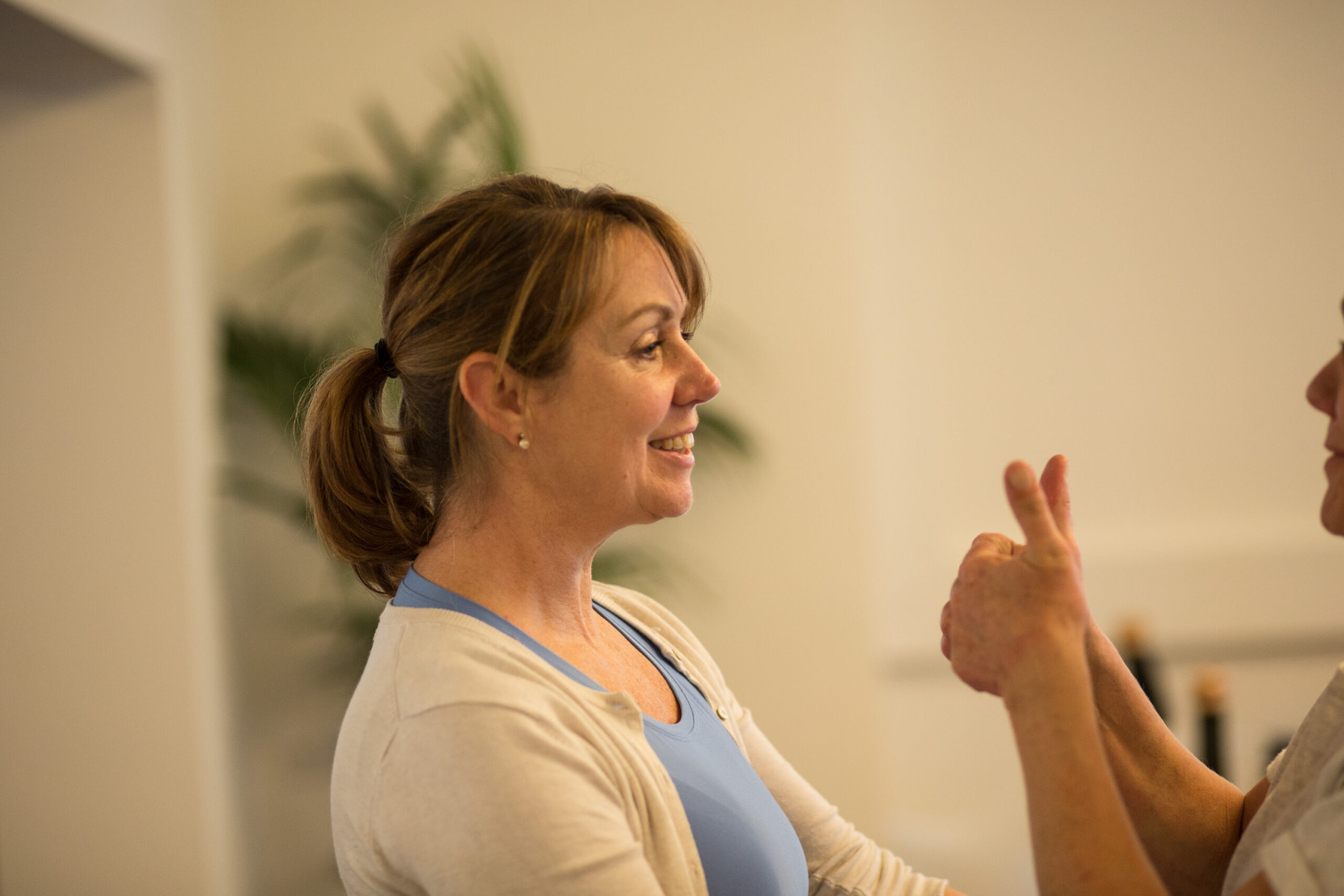
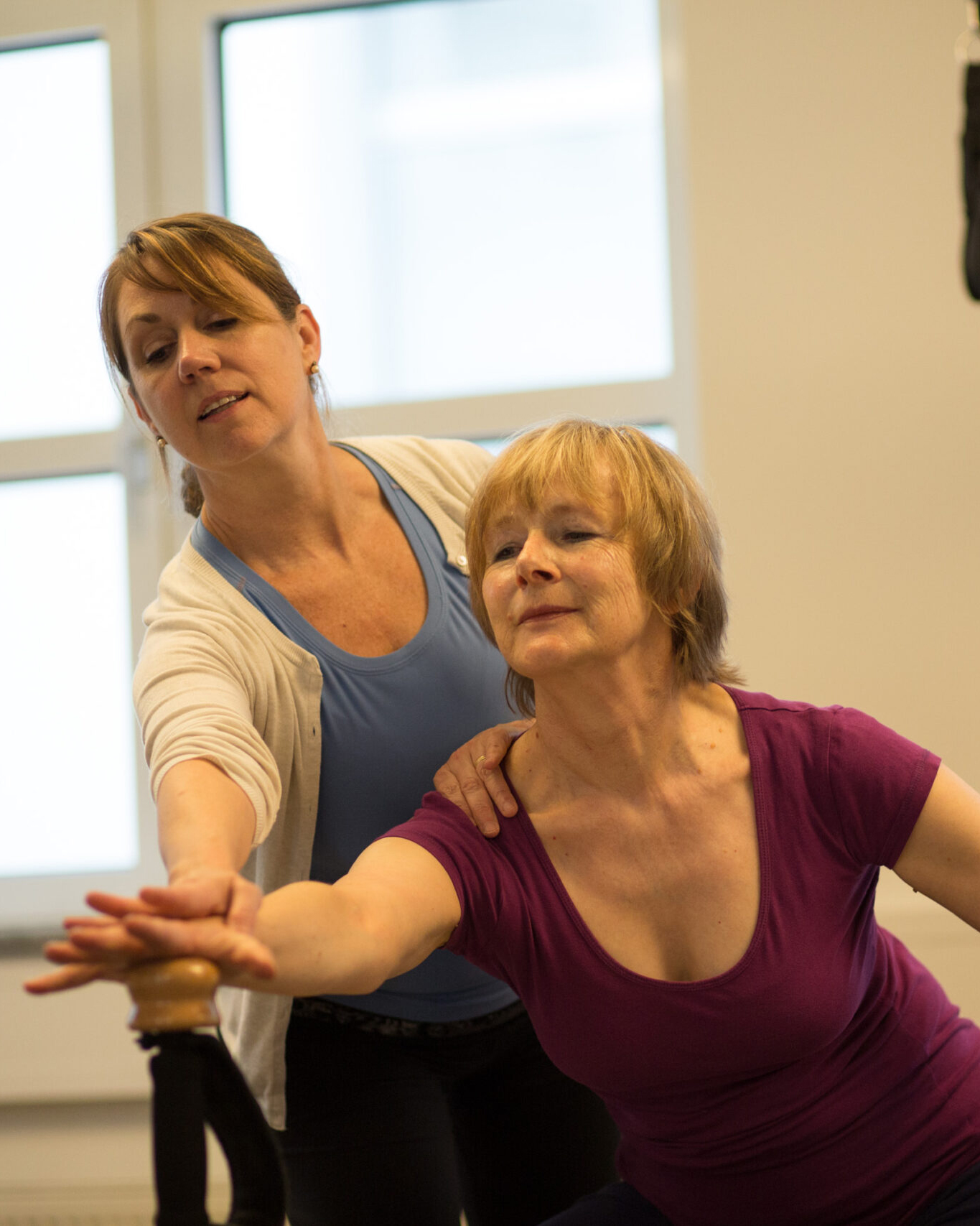
Rehabilitation following breast surgery often focuses on restoring good coordination in the upper body – without overexerting yourself. We identify what is relevant to your daily life and work on those specific areas.
Common topics we help with
Agility & Mobility
Gentle restoration of shoulder, arm, and chest mobility – tailored to your healing progress.
Tension & Tissue
Treatment of muscular tension and – subject to medical clearance – support for tissue mobility in the scar area.
Posture & Breathing
Upright alignment, release of protective postures, and breathwork as a functional component.
Active stability
Controlled development of strength and coordination for the shoulder girdle, back, and core.
Transfer to everyday life
Exercises and strategies for household tasks, work, and – following clearance – returning to sports.
Follow-up
As resilience and stability increase, we support the transition to training and prevention.
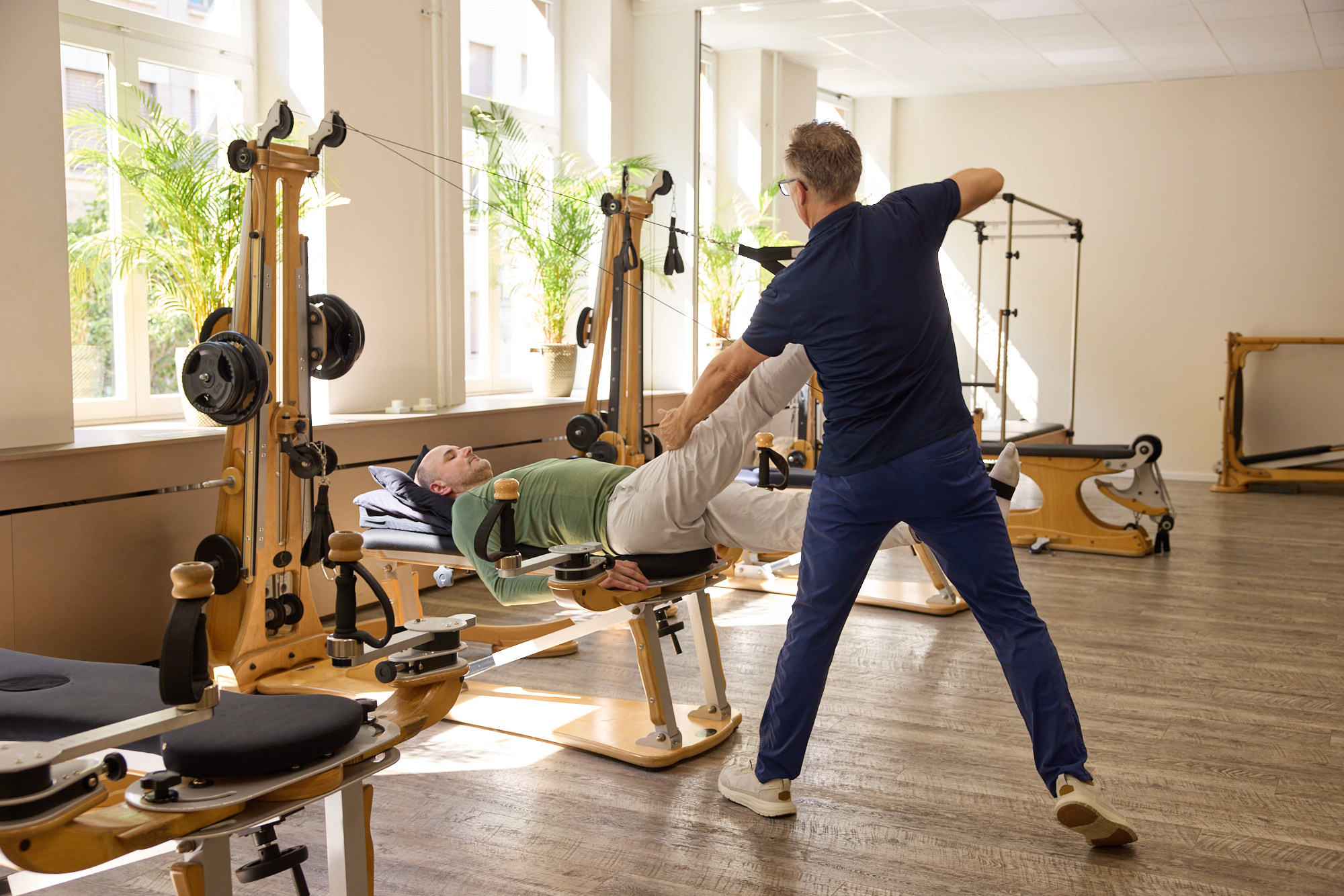
Supplementary components
Suitable components that we can add depending on the goal:


Your treatment process
To ensure you know what to expect, we start with a clear picture of your current situation – and then build upon it in stages.
Step 1 | Medical history and clinical findings
We determine what is currently limiting you, which movements are sensitive, and what your goals are – guided by medical directives.
Step 2 | Treatment & Relief
Depending on needs, we support mobility, tension distribution, and functional fundamentals – explained calmly, respectfully, and clearly.
Step 3 | Active Guidance and Integration Exercise
You will receive suitable exercises for home – easy to implement – so that progress is not limited to your therapy sessions.
Step 4 | Setup and next steps
We increase the intensity gradually – taking into account daily life, physical tolerance, and the eventual return to sports or training once cleared.

Still unsure?
Focus on common complaints
Sometimes the first question isn't about the method – but rather what makes sense for your specific needs.
In the "Common Complaints" section, you will find guidance on frequently occurring conditions – featuring clear information, sensible next steps, and appropriate therapeutic components.
FAQ – Frequently Asked Questions
Didn't find what you were looking for? We would be happy to assist you personally.
What is rehabilitation after breast surgery in physiotherapy?
Physiotherapeutic support following breast surgery to gradually improve mobility, posture, and functional resilience for daily activities – tailored to clinical findings and medical guidelines.
What are the goals of rehabilitation after breast surgery?
It is often about more mobility in the shoulder and arm area, a relaxed posture and a secure build-up of resilience in everyday life - supplemented by suitable exercises.
How soon can I go back to exercising?
This depends on the type of surgery, the healing process, and medical clearance. We carefully prepare for your return to activity and discuss the steps with you.
Can scar and tissue treatment also be part of the therapy?
Yes, provided it is medically approved and appropriate for your condition. We will discuss together what makes sense – and what doesn't yet.
Do I need a prescription?
Physiotherapy can be prescribed by a doctor. If you have private health insurance, are a self-paying patient, or hold supplementary insurance, we will openly discuss which options are suitable.
What should I bring to the first appointment?
If available: referral/prescription, relevant test results, and comfortable clothing. Note: As some people are sensitive to scents, we ask that you refrain from wearing strong perfume. Please feel free to contact us if you are unsure.
Contact & Appointment
If you would like to request an appointment, you've come to the right place. Simply fill out the form – we will get back to you.
Monday to Friday:
8:00 a.m. to 6:00 p.m.
(Appointments by arrangement)
Phone +49 (0) 69 92038093
Email: info@praxis-laemmerhirt.de
