Pain when lifting and moving
Pain when raising the arm, reaching behind the back, or sleeping on the affected side – these are typical signs that the shoulder joint or the surrounding musculature is not functioning optimally.
Limited mobility
When the arm can no longer be lifted freely, getting dressed becomes a challenge, or a stiff shoulder restricts daily life, the joint capsule, tendons, or muscles are often affected.
Pain after injury or surgery
Following a fall, shoulder surgery, or a prolonged period of immobilization, the shoulder requires a structured rehabilitation process – putting strain on it too soon causes harm, as does resting it for too long.
Briefly explained
What might be behind shoulder pain

You’ve come to the right place if...
The shoulder hurts when lifting or moving.
The shoulder is stiff or no longer moves freely.
You want to rebuild strength after a shoulder injury or surgery.
Why shoulder pain develops and persists
The shoulder is the most mobile joint in the body – and for that very reason, one of the most vulnerable. Stability is provided almost entirely by muscles and tendons, rather than by bony structures.


Overview of common triggers
Rotator cuff overload
The four muscles of the rotator cuff stabilize the humerus within the joint. Chronic improper loading, repetitive movements, or a fall can lead to inflammation, tears, or pain.
Impingement – Compression in the shoulder space
If the space beneath the acromion becomes too narrow, the supraspinatus tendon becomes impinged – causing pain when lifting the arm, often between 60 and 120 degrees.
Frozen Shoulder
A shoulder capsule that becomes increasingly stiff – often without a clear trigger – leads to progressive restriction of movement and pain. Physiotherapy is a key component of treatment.
Poor Posture & Muscle Imbalances
Rounded shoulders, weak scapular muscles, and a constricted chest alter the mechanics of the shoulder joint – making it more susceptible to pain and injury.
Injuries & Instability
Following a shoulder dislocation, a fall, or an injury to the acromioclavicular joint, the shoulder can remain unstable – even long after the acute pain has subsided.
Compensatory Patterns & Fear of Movement
Anyone who has experienced shoulder pain tends to protect the shoulder – often unconsciously and long after the acute pain has subsided. These protective patterns alter posture and movement, thereby perpetuating the discomfort.
Physiotherapy & Manual Therapy
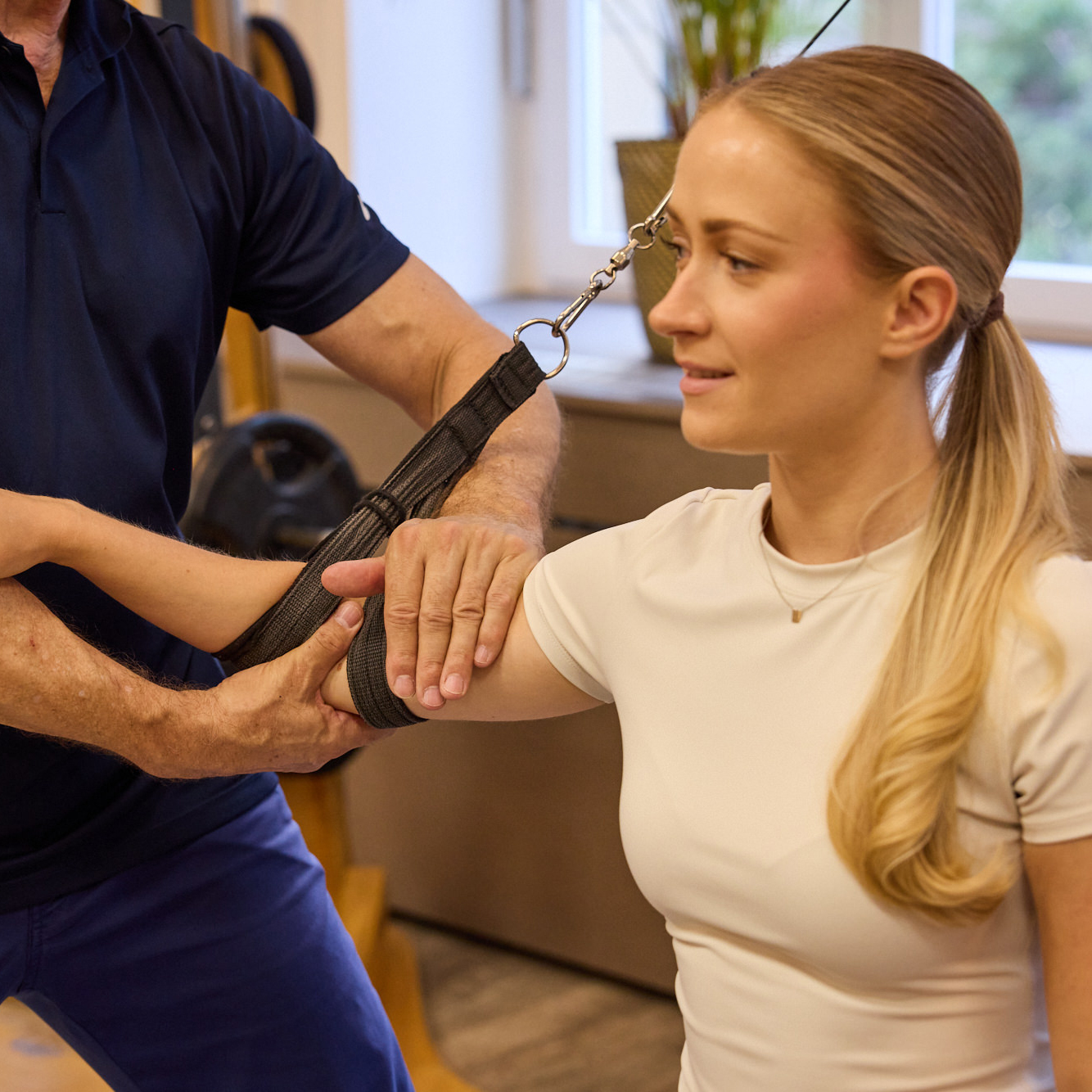
We view the shoulder joint, shoulder blade, cervical spine, and rib cage as a single unit. Manual techniques, myofascial treatment, and targeted mobilization lay the foundation for pain-free movement.
Shoulder therapy
For complex shoulder issues, rotator cuff pathologies, or frozen shoulder, we offer specialized shoulder therapy – featuring a comprehensive assessment and an individualized treatment plan.
Training & Prevention
Following the acute phase, we transition to active strengthening – gradually increasing the strength, coordination, and stability of the shoulder girdle.
How we treat shoulder pain

Appropriate services for shoulder pain
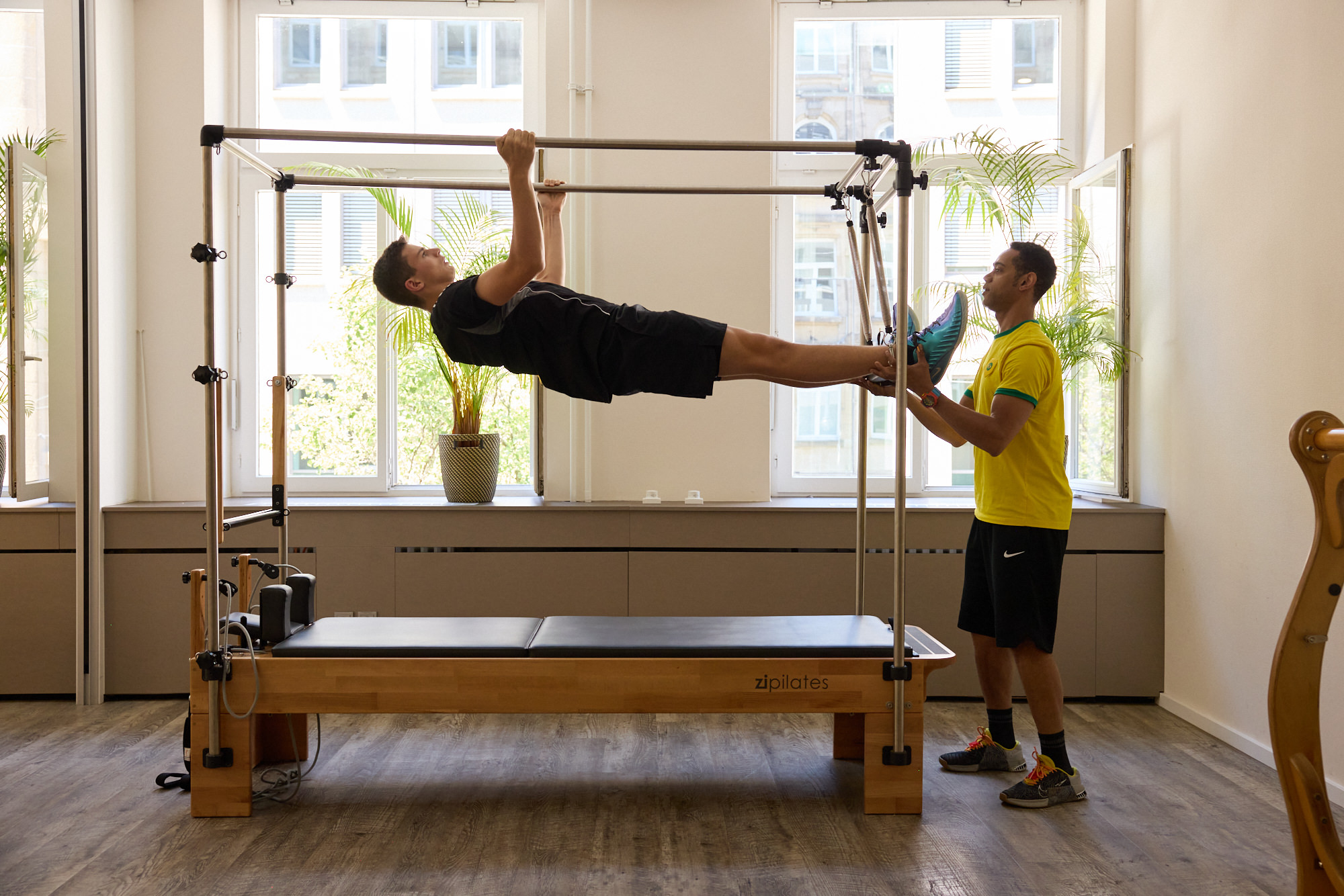

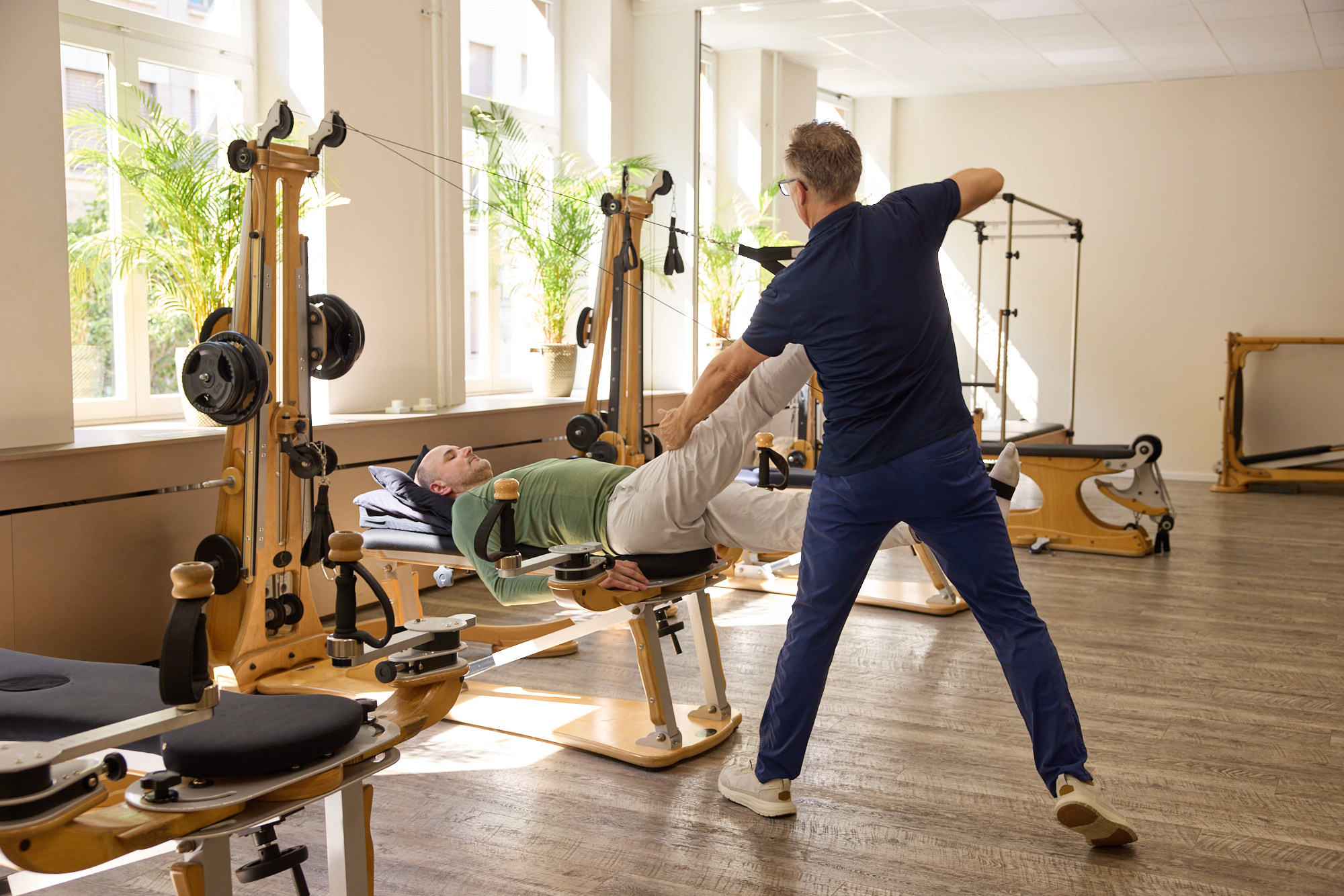
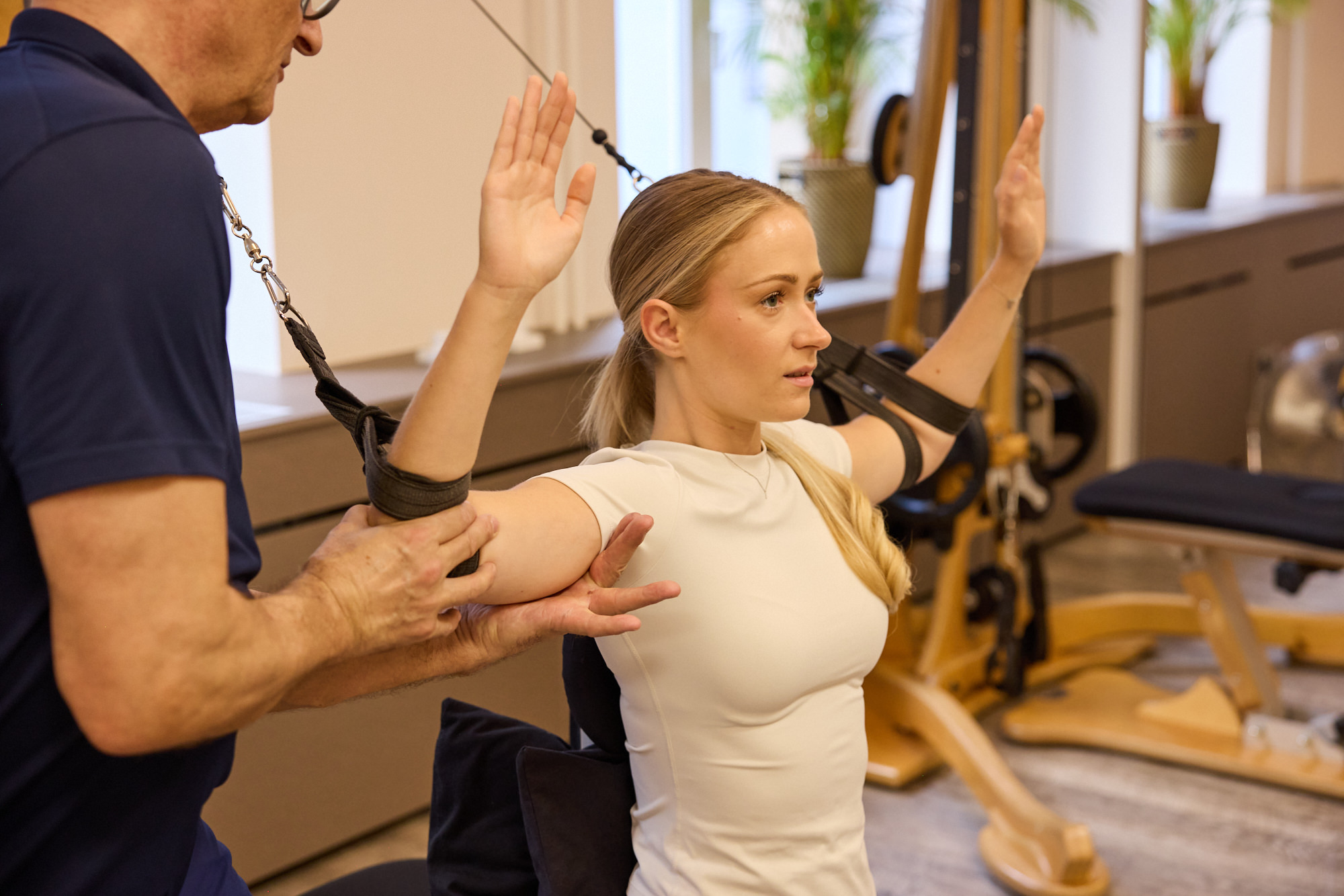
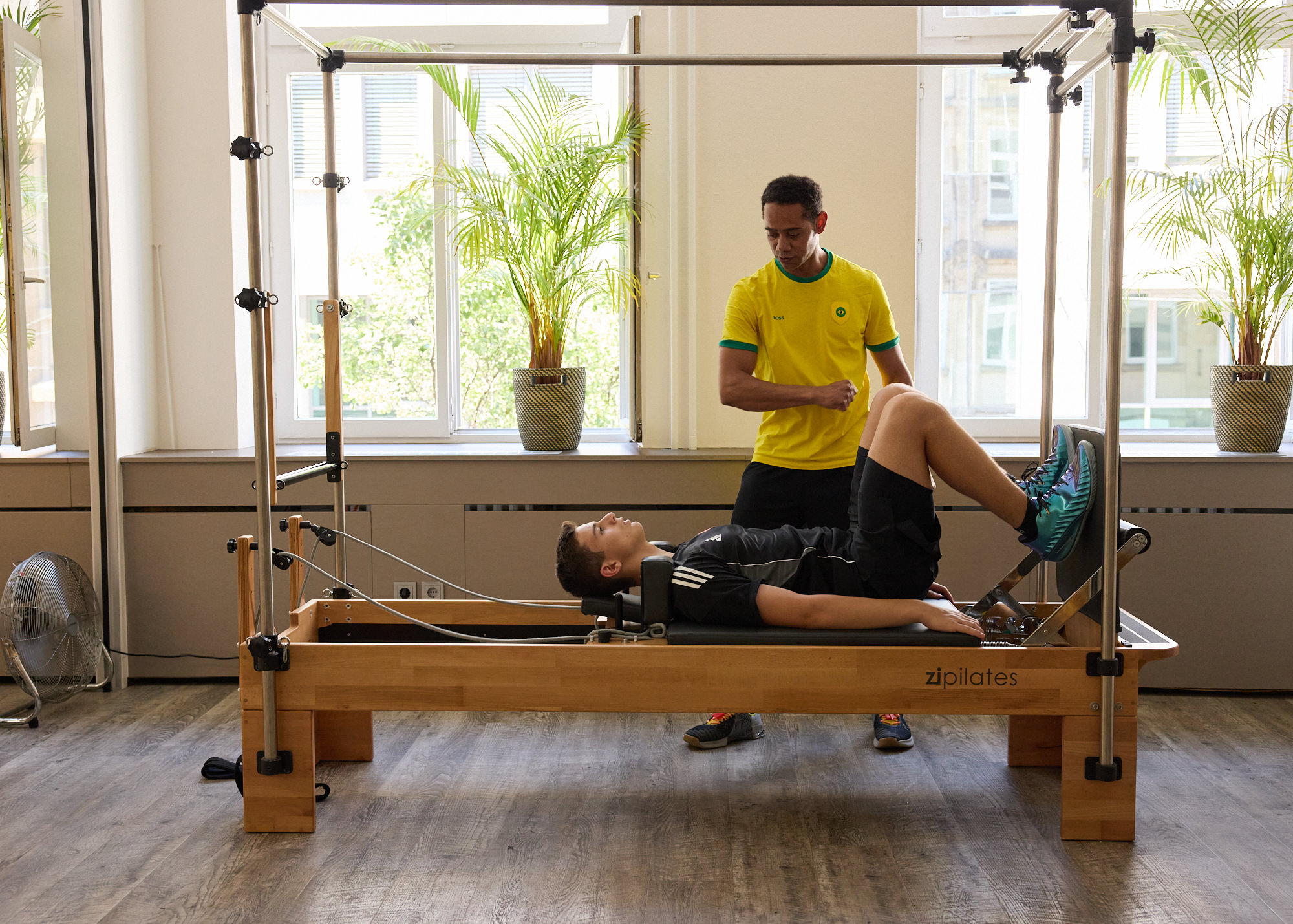
What you can do yourself
Complete immobilization is rarely beneficial for shoulder pain; the shoulder needs movement, but in measured amounts. Gentle pendulum exercises, consciously lifting the chest, and releasing shoulder tension can provide short-term relief.
Important: Forcing yourself to experience pain during exercises is counterproductive. We will determine on an individual basis – based on the assessment – which movements are appropriate at this stage and which should be postponed.

Did you know?
Actively strengthen your shoulders – with health insurance subsidy
Anyone wishing to prevent shoulder pain in the long term or actively rebuild strength after an injury can start with certified prevention courses under Section 20 of the Social Code Book V (SGB V) – with potential subsidies from statutory health insurance funds.
FAQ – Frequently asked questions about shoulder pain
Didn't find what you were looking for? We would be happy to assist you personally.
What could be behind shoulder pain?
Tendons, the joint capsule, bursae, muscles, or a combination thereof – shoulder pain has many possible causes. An accurate classification is determined by the clinical findings, not by symptoms alone.
What is a frozen shoulder?
A shoulder capsule that becomes increasingly stiff – often without a clear trigger. It typically goes through three phases: freezing, frozen, and thawing. Physiotherapy accompanies all three phases.
When should I see a doctor for shoulder pain?
If you have experienced a fall or trauma, or if you have severe swelling, numbness in the arm, or pain that worsens significantly at night, it is advisable to consult a doctor before starting physiotherapy.
What can I do myself for shoulder pain?
Controlled movement is better than immobilization. Straighten your chest, keep your shoulders relaxed, and consciously break any protective movement patterns. We will determine exactly which exercises are appropriate during the initial appointment.
Can physiotherapy be prescribed for shoulder pain?
Physiotherapy can be prescribed by a doctor. If you have private health insurance, wish to pay for treatment yourself, or hold supplementary insurance for naturopathic treatments in addition to your statutory health insurance, we will discuss the options that are right for you in a transparent manner.
How does billing work in your private practice?
We bill via private health insurance, state aid schemes (Beihilfe), or as a self-pay service. Physiotherapy is billed according to the GebüH fee schedule, and naturopathic services according to the GebüH HP schedule. Please feel free to contact us if you have any questions regarding billing.
Contact & Appointment
If you would like to request an appointment, you've come to the right place. Simply fill out the form – we will get back to you.
Monday to Friday:
8:00 a.m. to 6:00 p.m.
(Appointments by arrangement)
Phone +49 (0) 69 92038093
Email: info@praxis-laemmerhirt.de
