Headaches and tension headaches – when the neck plays a role
Not every headache originates in the head. Tension in the neck and shoulders, jaw tension, or restricted mobility in the cervical spine can trigger or aggravate headaches. We conduct an individual assessment and treat the area where the root cause lies.
Pressure and a sensation of tightness in the head
A dull pressure spreading across the entire head, pain at the back of the head, or a sensation of a band being tightened around the head – tension headaches are the most common type of headache and often have a muscular origin.
Pain that starts in the neck
When headaches occur after prolonged sitting, stress, or sleeping in an awkward position – and the neck is tense or tender to the touch – the link between the cervical spine and the headache is usually clear.
Migraine with a muscular trigger
Migraines have neurological causes, but muscular tension and trigger points in the neck and shoulders can trigger migraine attacks or increase their frequency. Physiotherapy can be a useful complementary treatment.
Briefly explained
What might be behind headaches
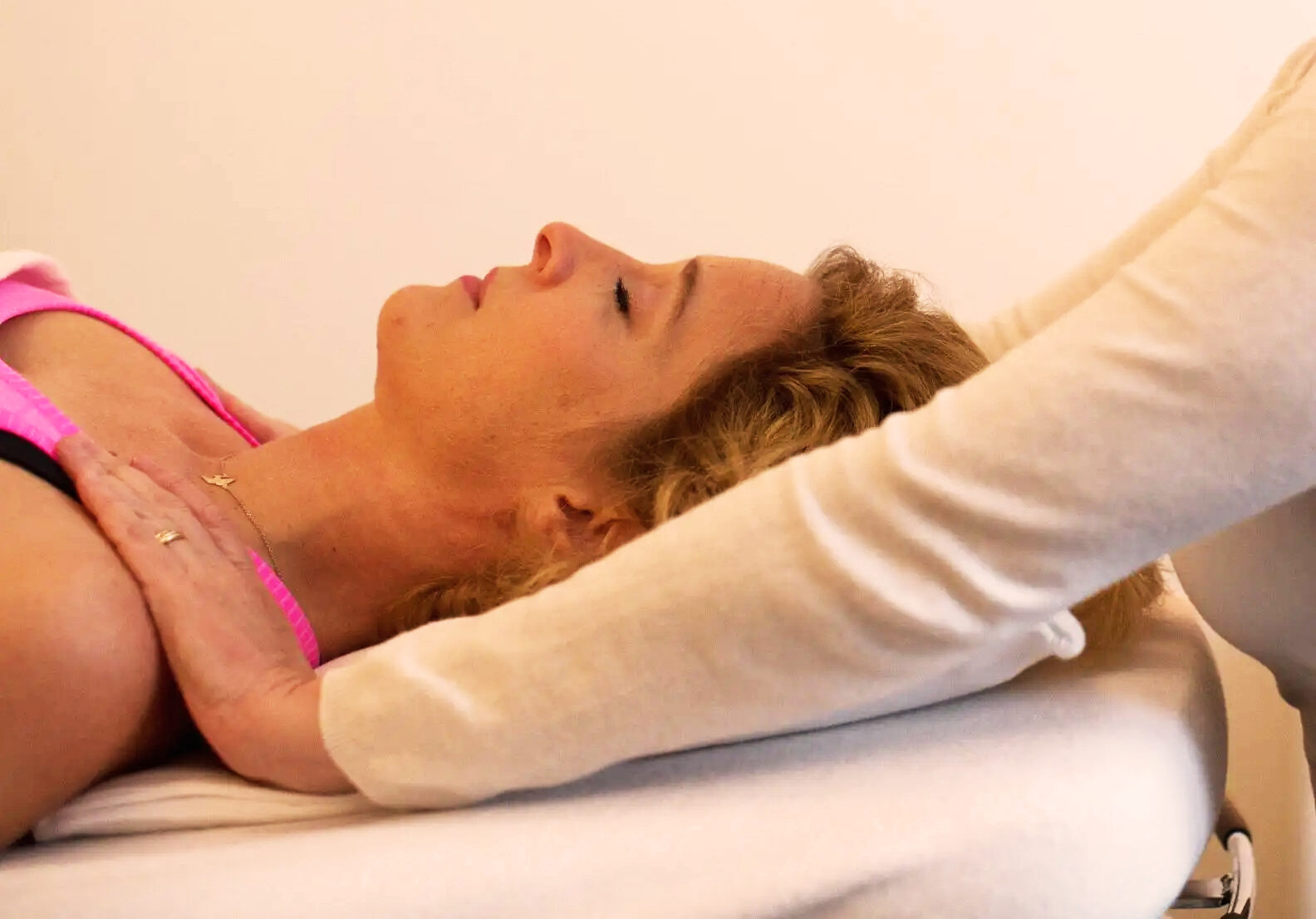
You’ve come to the right place if...
Headaches recur regularly
Headaches always occur after tension or prolonged sitting
Headaches associated with jaw tension or teeth grinding
Why tension headaches occur
Muscular headaches rarely stem from a single cause. Often, multiple factors interact – sustaining the symptoms even after the original trigger is long gone.

Overview of common triggers
Trigger points in the neck and shoulder
Myofascial trigger points – pressure-sensitive points in the muscles – can refer pain to the head. Certain muscles, such as the trapezius or the suboccipital muscles, are classic sources.
Limited mobility of the cervical spine
When the mobility of the cervical spine is restricted, tension and blood flow in the area of the skull base change – frequently resulting in headaches.
Static load at the screen
Prolonged static holding by the neck muscles – with the head held forward and little variation in movement – is one of the most common triggers for tension headaches.
Jaw Tension & TMD
Teeth grinding, clenching, or temporomandibular joint dysfunction create tension patterns that manifest as pain in the temples, behind the eyes, or in the muscles at the base of the skull.
Stress & Increased Muscle Tone
Mental strain increases muscle tone – particularly in the neck and shoulder area. Chronic stress is one of the most common triggers for tension headaches.
Sleeping Position & Sleep Quality
An awkward sleeping position, an unsuitable pillow, or poor sleep quality puts strain on the cervical spine – and causes you to wake up with a headache.
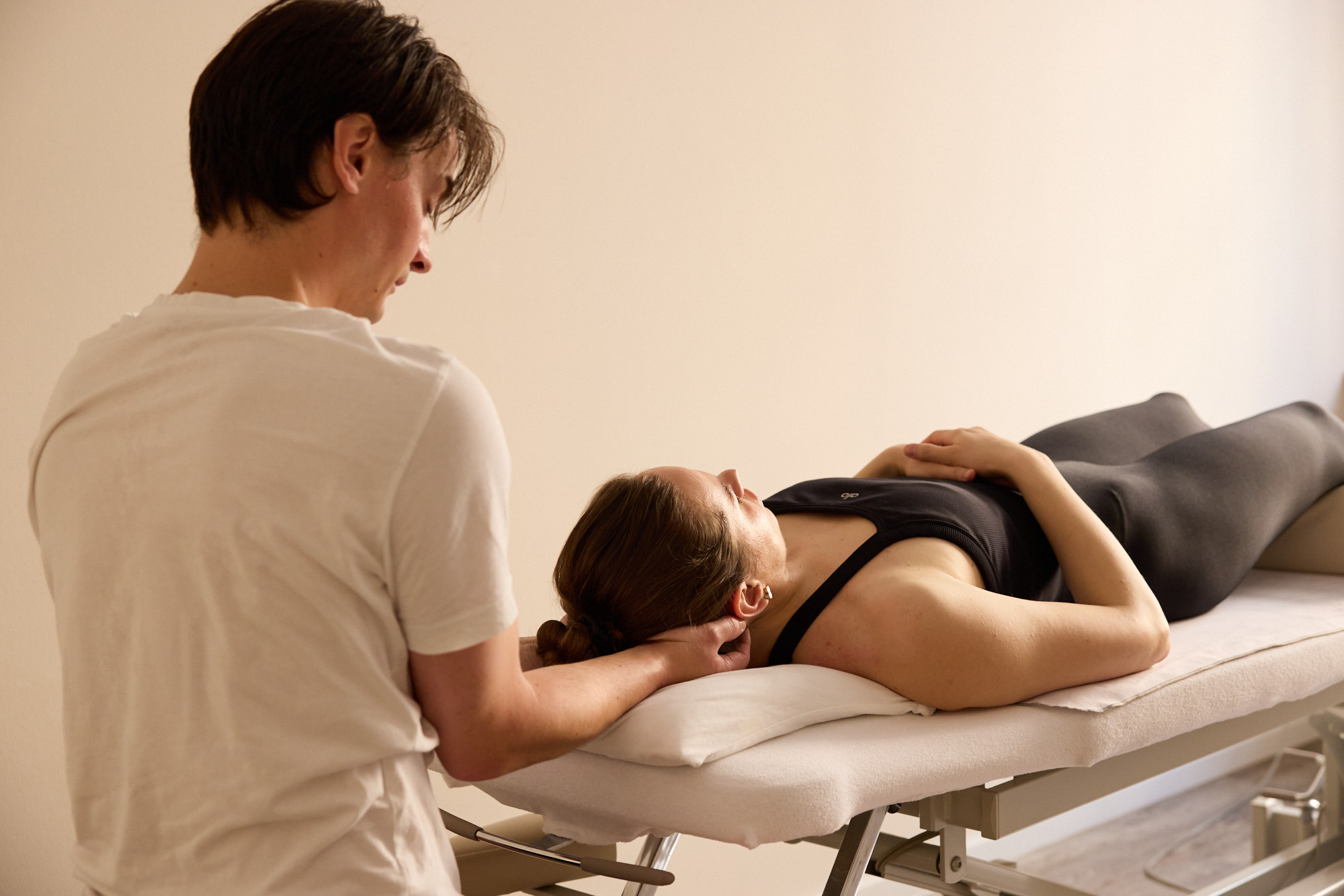
Manual Therapy
Targeted mobilization of the cervical spine, treatment of the skull base, and myofascial techniques for the neck and shoulders – the areas where tension headaches originate.
Myoreflex Therapy
Gentle, targeted treatment of muscle attachment points – particularly effective for trigger points that refer pain to the head.
CMD Treatment
When jaw pain and headaches are linked, we treat both as a single unit – using physiotherapy and, where appropriate, in coordination with the dentist.
How we treat headaches

Suitable services for headaches



What you can do yourself
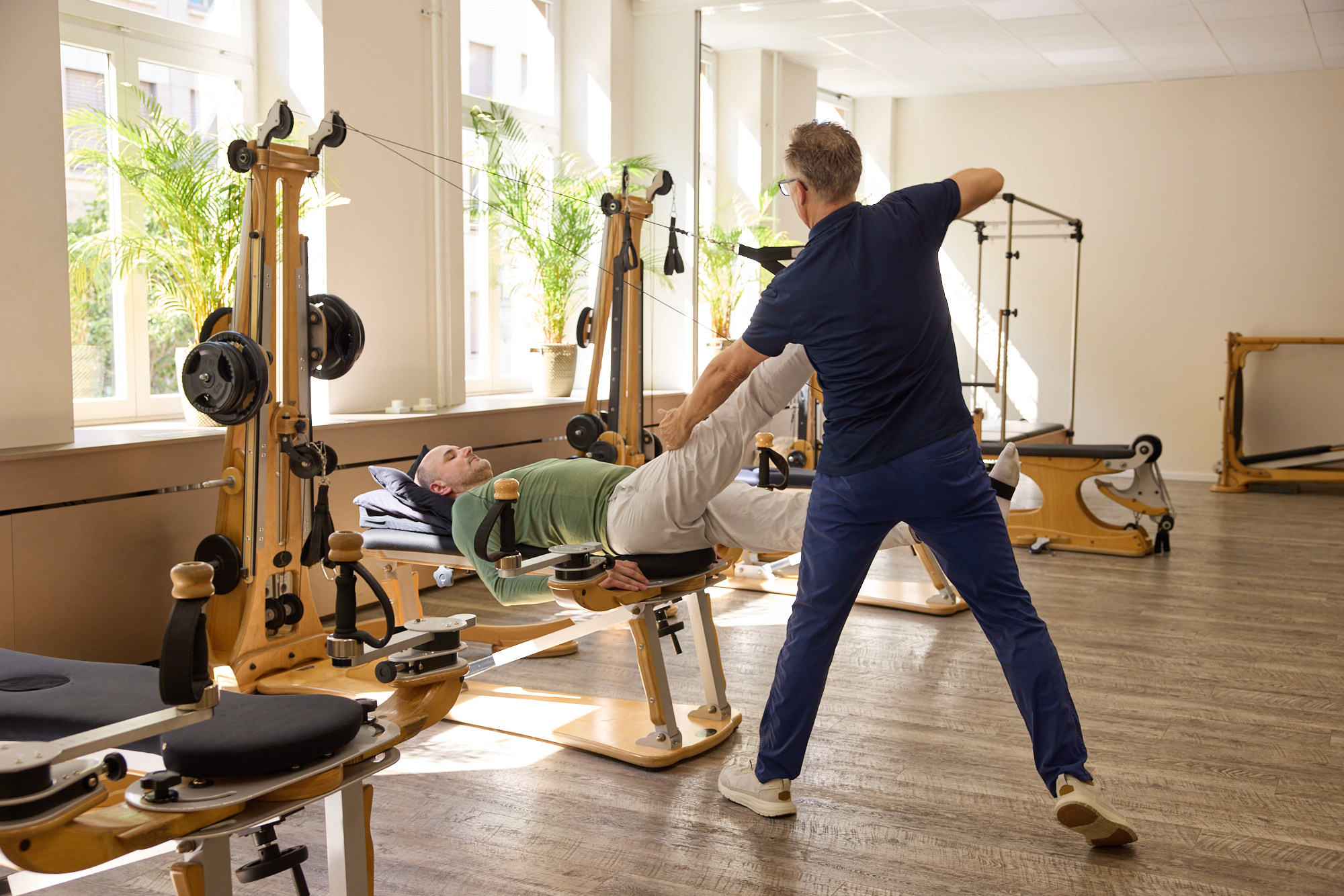
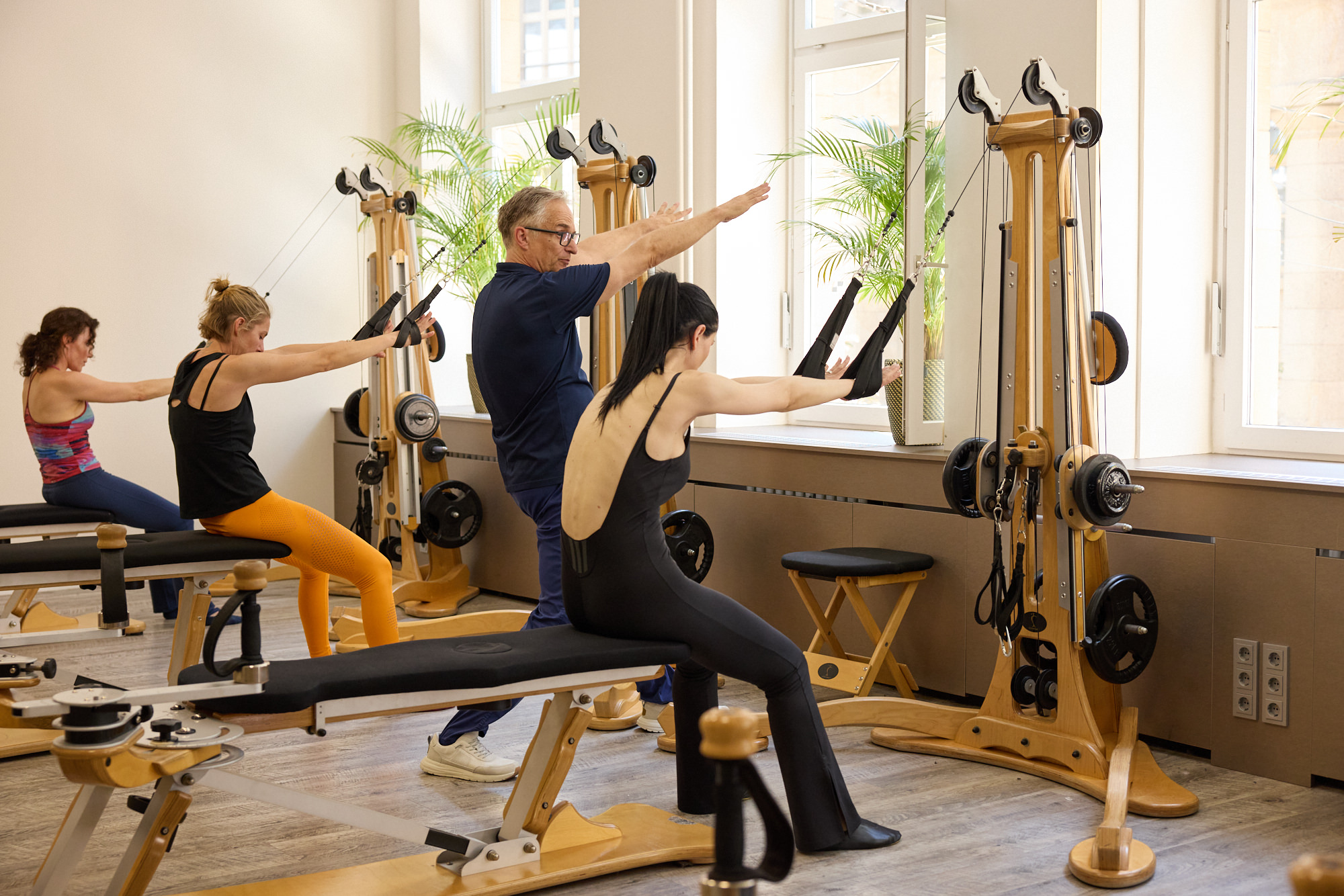
Regular movement breaks interrupt the static holding work of the neck muscles – short breaks every 30 to 45 minutes are more effective than occasional long stretching sessions. Position the screen at eye level, keep shoulders relaxed, and pull the chin back slightly.
Applying heat to the neck area can provide short-term relief. Pay attention to your jaw position: keeping your lips relaxed and your teeth slightly apart is the relaxed resting position. We will determine which measures are appropriate for your specific situation based on the clinical findings.

Did you know?
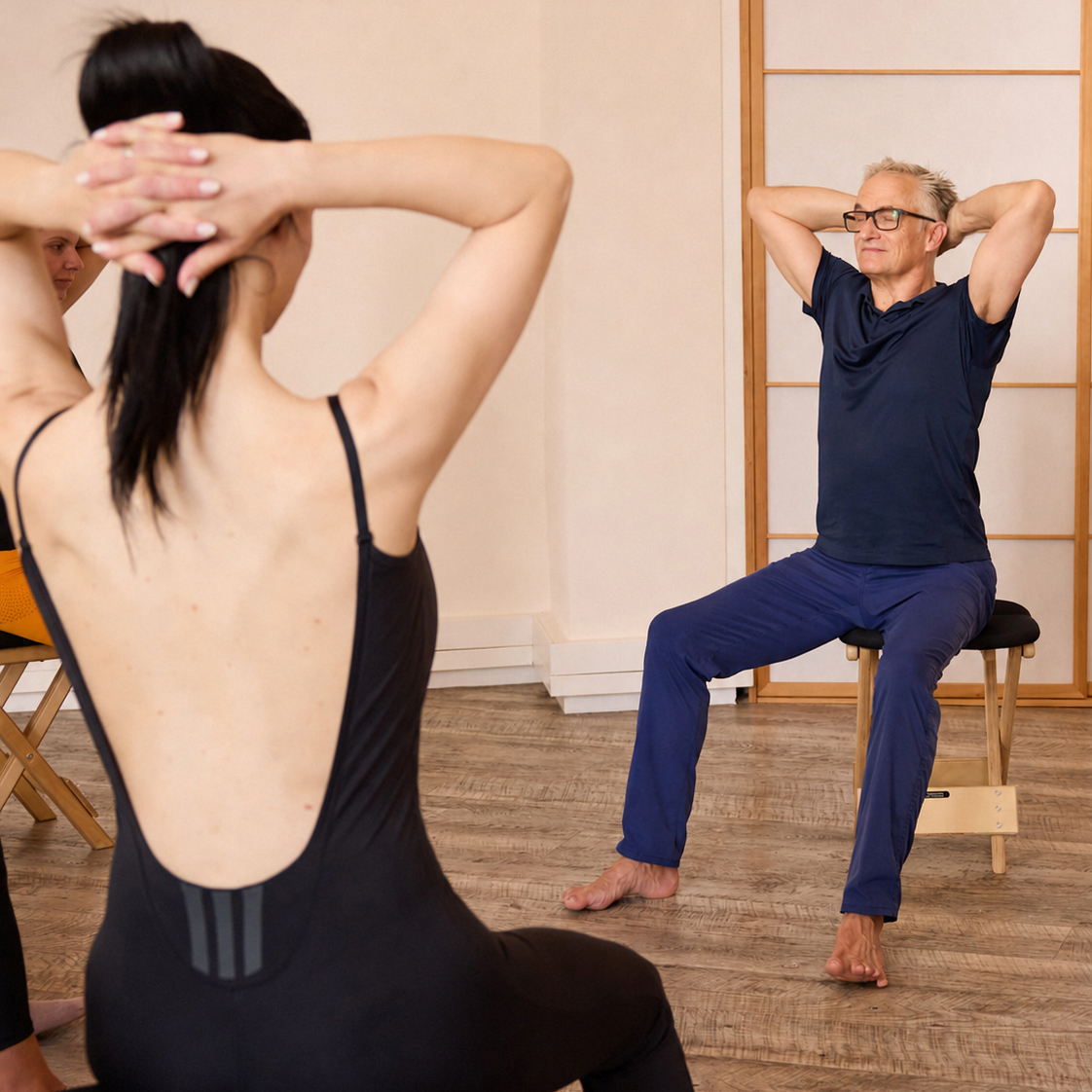
Actively prevent neck tension
Anyone wishing to reduce neck tension and tension-related headaches in the long term can take action by participating in certified prevention courses under Section 20 of the Social Code Book V (SGB V) – with potential subsidies from statutory health insurance funds.
FAQ – Frequently asked questions about headaches & tension headaches
Didn't find what you were looking for? We would be happy to assist you personally.
What is the difference between tension headaches and migraines?
Tension headaches usually manifest as a dull, bilateral pressure – without nausea or light sensitivity. Migraines are unilateral and pulsating, and frequently accompanied by nausea and light sensitivity. Physiotherapy can be beneficial for both, though with a different focus.
Can physiotherapy treat headaches?
Yes, in the case of muscle-related headaches and tension headaches. Manual therapy, Myoreflex therapy, and targeted exercise therapy can significantly reduce their frequency and intensity.
When should I see a doctor for a headache?
If you experience a sudden, severe headache, a headache following an accident or fall, or accompanying symptoms such as visual disturbances, numbness, or speech difficulties, urgent medical evaluation is necessary.
Are my headaches related to my neck?
This is often the case, though it can only be assessed based on the clinical findings. If headaches occur after tension, prolonged sitting, or poor sleep, and the neck is tender to the touch, a muscular origin is likely.
Can physiotherapy be prescribed for headaches?
Physiotherapy can be prescribed by a doctor. If you have private health insurance, wish to pay for treatment yourself, or hold supplementary insurance for naturopathic treatments in addition to your statutory health insurance, we will discuss the options that are right for you in a transparent manner.
How does billing work in your private practice?
We bill via private health insurance, state aid schemes (Beihilfe), or as a self-pay service. Physiotherapy is billed according to the GebüH fee schedule, and naturopathic services according to the GebüH HP schedule. Please feel free to contact us if you have any questions regarding billing.
Contact & Appointment
If you would like to request an appointment, you've come to the right place. Simply fill out the form – we will get back to you.
Monday to Friday:
8:00 a.m. to 6:00 p.m.
(Appointments by arrangement)
Phone +49 (0) 69 92038093
Email: info@praxis-laemmerhirt.de
