Pelvic floor therapy in Frankfurt – specialized, practical for everyday life, clearly guided.
Pelvic floor issues are common – and highly treatable. Our pelvic floor therapy employs a specialized, structured approach involving education, body awareness, coordination, and exercises that fit into your daily life – regardless of gender or stage of life.
The Method
The pelvic floor consists of muscles, connective tissue, and nerves that form the base of the pelvis, much like a hammock. It supports bladder and bowel control as well as core stability, and also plays a role in posture and sexual function.
How we work
Symptoms do not always arise because the pelvic floor is too weak; it can also be overly tense, overactive, or poorly coordinated. That is why we always begin with an individual assessment – determining exactly what is going on and what you would like to achieve.
Typical goals
The goal is to improve perception and coordination, balance strength and relaxation, support bladder and bowel control, stabilize the core, and alleviate pelvic pain.

You’ve come to the right place if...
Classify and tackle systematically
Regaining a sense of security
Build strength and stay the course
Situations where pelvic floor therapy can be beneficial
Pelvic floor issues can manifest in very different ways. Increased tension is not always the primary factor; sometimes, better relaxation, coordination, or a different approach is needed. That is why we first determine what is actually playing a role in your case.

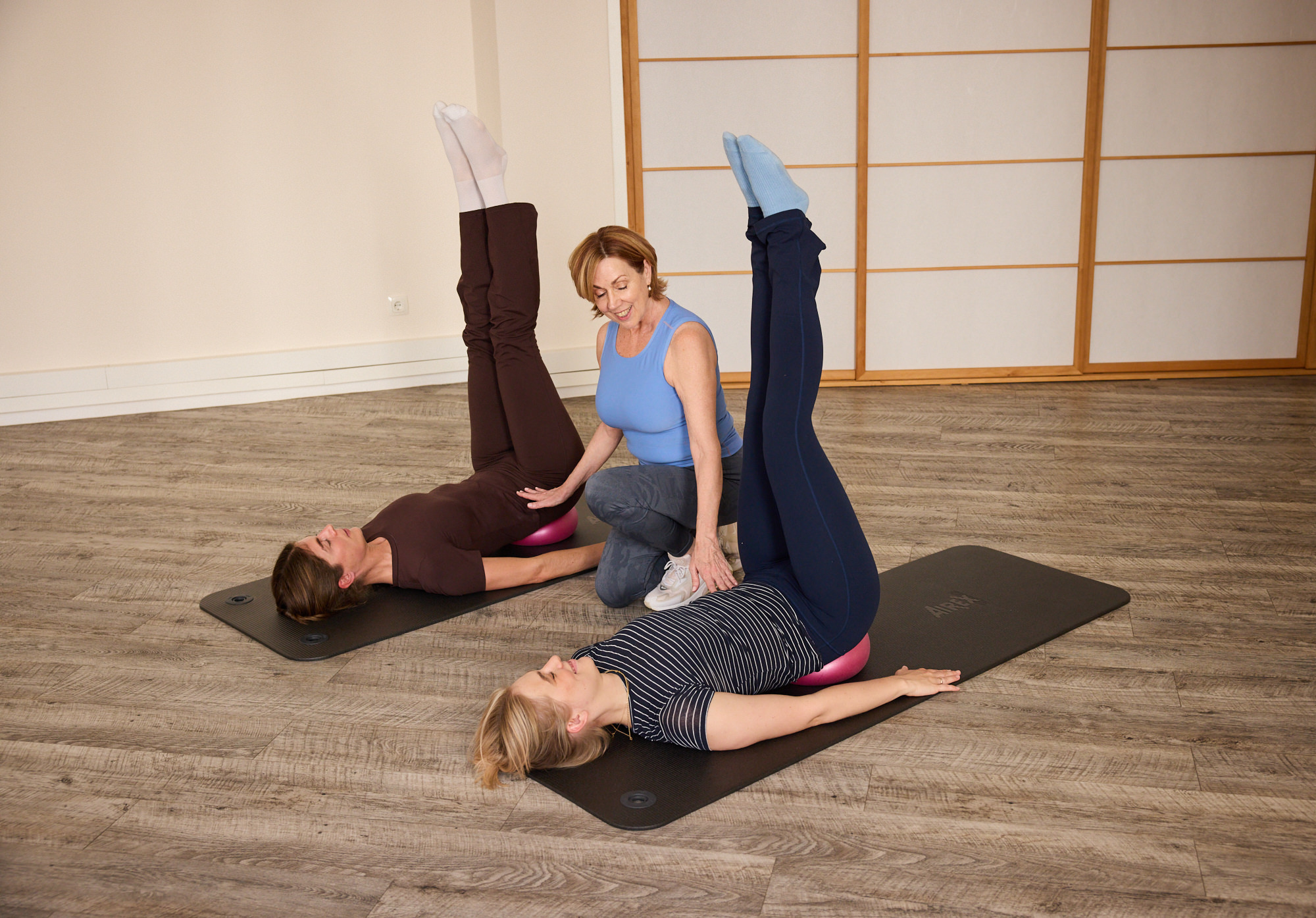
Common topics we help with
Bladder and control
Involuntary urine leakage when coughing, sneezing, or exercising – as well as a sudden urge to urinate or the sensation of being unable to empty the bladder completely.
Bowel & Elimination
Difficulty emptying the bowels, excessive straining, or the feeling of not having fully finished – we work specifically to address these issues.
Pelvic discomfort
Discomfort in the pelvis, lower abdomen, tailbone, or lower back – as well as sensations of tension or pain when sitting and standing.
Sensation of pressure and tightness
Sensation of pressure or heaviness in the pelvis, feeling of a bulge, or worsening of symptoms as the day progresses.
After pregnancy and surgery
Restoring stability and control after childbirth, a Caesarean section, or pelvic surgery.
Core & Stability
A sense of instability in the trunk, pelvis, or hip – as well as difficulties coordinating breathing, posture, and movement.
Supplementary components
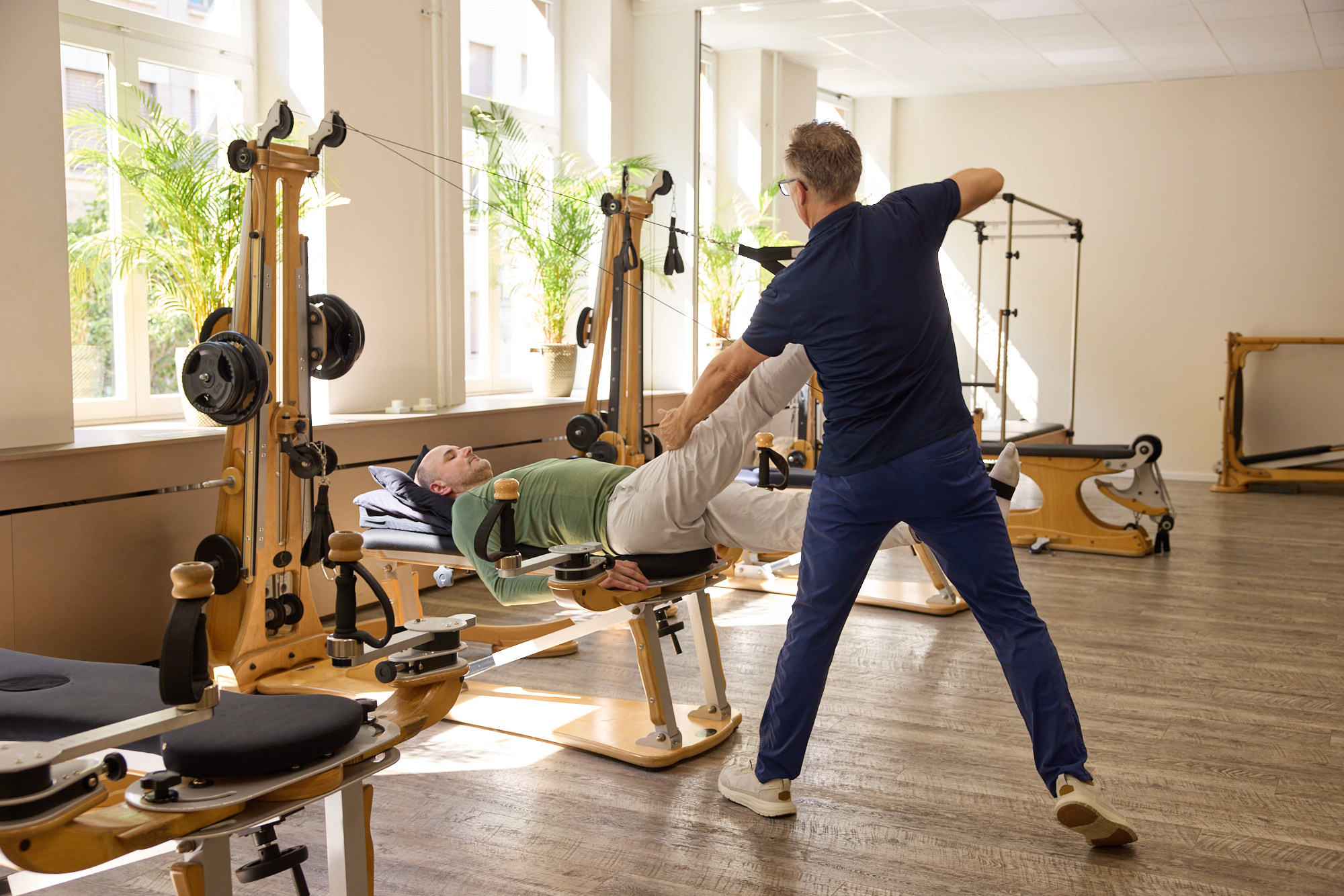
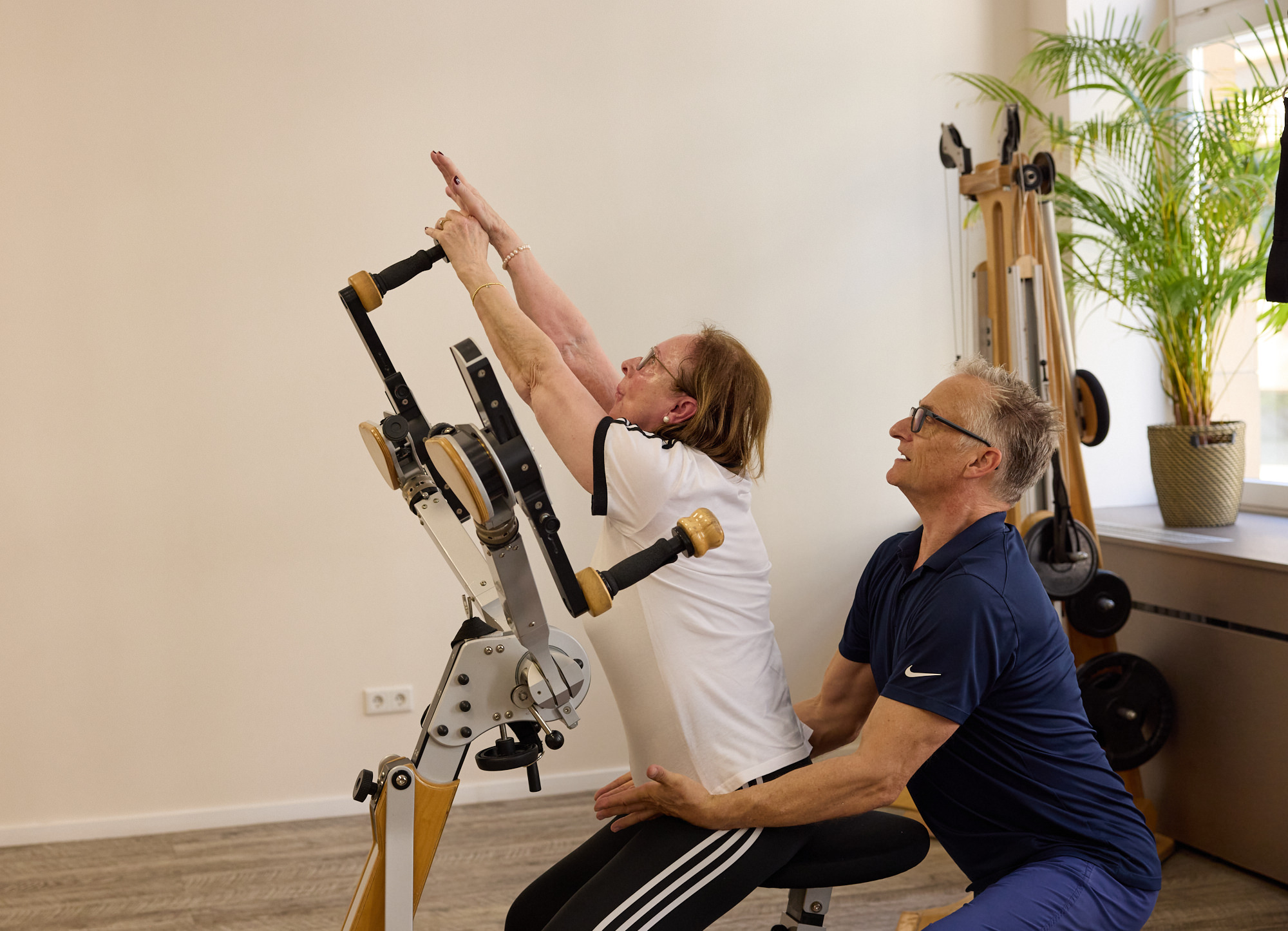
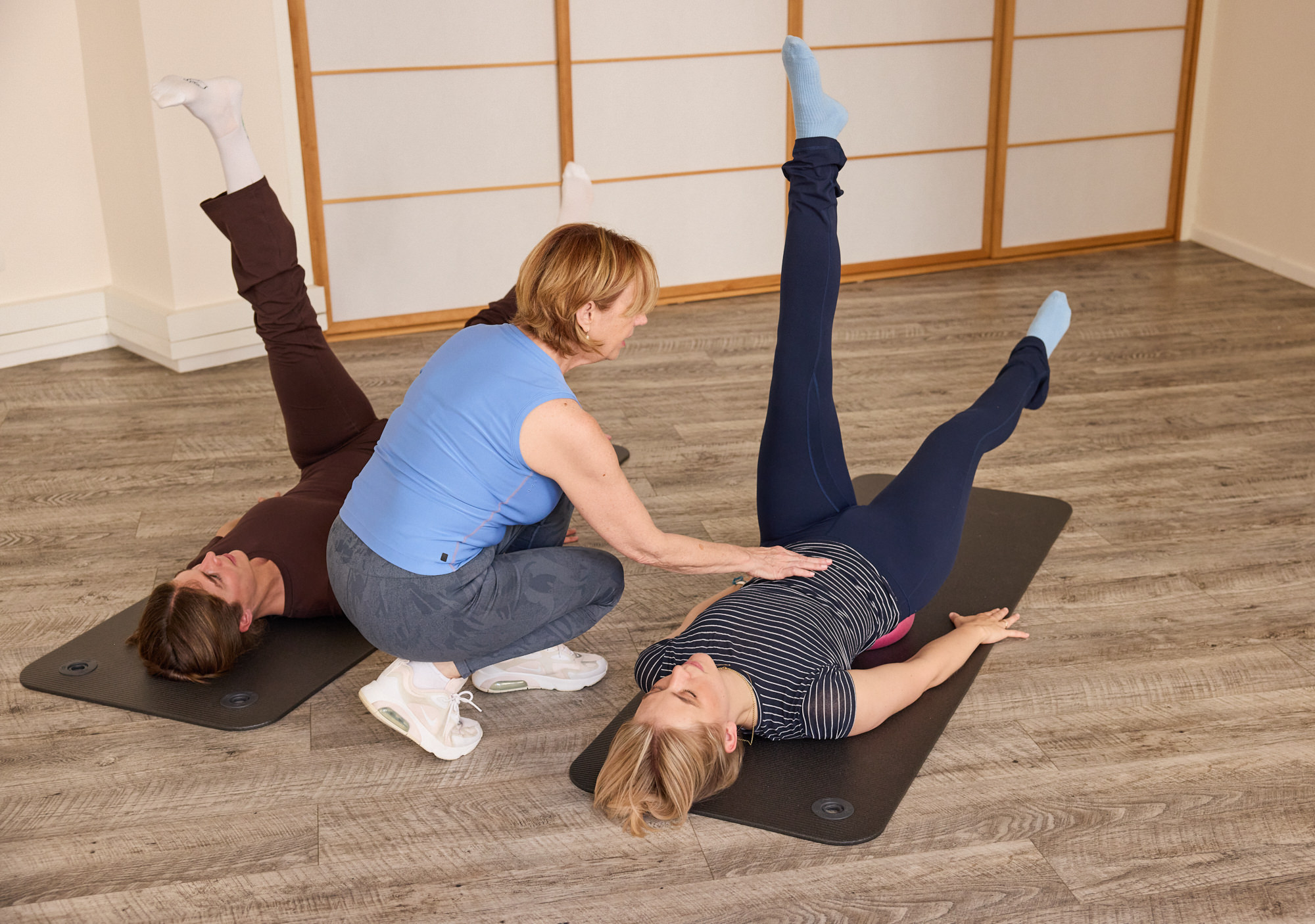
Suitable components that we can add depending on the goal:


Your treatment process
To help you quickly find your bearings, we begin with a clear framework: What exactly is troubling you? Which situations trigger symptoms? And what goal is realistic for you? From this, we develop a plan that is easy to understand and works in your everyday life.
Step 1 | Medical History & Analysis
You briefly outline what it is about – symptoms, triggers, and your goal. We listen and work together to determine the best starting point.
Step 2 | Findings & Classification
We examine breathing, posture, movement patterns, and core engagement – and determine whether the focus should be on strength, relaxation, or coordination.
Step 3 | Therapy & active guidance
We select the right techniques – and explain exercises in a way that allows you to perform them safely at home. Including practical tips for everyday life.
Step 4 | Transfer & Further Development
You will receive a home exercise plan – and we will determine the best next steps from one appointment to the next.

Did you know?
Focus on common complaints
Sometimes the first question isn't about the method – but rather what makes sense for your specific needs.
In the "Common Complaints" section, you will find guidance on frequently occurring conditions – featuring clear information, sensible next steps, and appropriate therapeutic components.
FAQ – Frequently Asked Questions
Didn't find what you were looking for? We would be happy to assist you personally.
What is pelvic floor therapy – briefly explained?
Specialized pelvic floor physiotherapy: We work on awareness, coordination, and – depending on the assessment – strength or relaxation, ensuring that the bladder, bowel, and core function reliably in everyday life.
Who is pelvic floor therapy suitable for?
For people of all ages – e.g., for stress incontinence, a sensation of pelvic organ prolapse, after pregnancy or childbirth, following surgery, or for pelvic pain.
Does the treatment always have to include an internal examination?
No. We select the methods on an individual basis. An internal examination is only considered if it is clinically appropriate – and it is performed exclusively with your explicit consent. There are many external and functional approaches.
Are Kegel exercises enough?
Often not. Pelvic floor issues are frequently linked to coordination, breathing, posture, and the strain of daily activities. We assess what you really need – and work specifically on that.
Do I need a prescription?
Pelvic floor therapy is often provided based on a medical referral. If you have private health insurance, are paying out-of-pocket, or hold supplementary insurance, we will openly discuss which options are suitable for you.
What should I bring to the first appointment?
If available: referral/prescription, relevant test results, and comfortable clothing. Note: As some people are sensitive to scents, we ask that you refrain from wearing strong perfume. Please feel free to contact us if you are unsure.
Contact & Appointment
If you would like to request an appointment, you've come to the right place. Simply fill out the form – we will get back to you.
Monday to Friday:
8:00 a.m. to 6:00 p.m.
(Appointments by arrangement)
Phone +49 (0) 69 92038093
Email: info@praxis-laemmerhirt.de
