Neck Pain and Tension – Understanding Causes and Targeted Treatment
Chronic neck tension, pain after prolonged sitting, or restricted movement when turning the head – neck pain is common and usually stems from multiple causes. We conduct individual assessments and combine treatment with active strengthening.
Tension & muscle pain
Persistent tension in the neck and shoulder area, pain radiating to the back of the head, or a constant pulling sensation after a long day at work – muscular overload and myofascial tension patterns are often the underlying causes.
Restricted mobility and blockages
If you can no longer turn your head freely, if turning it causes pain, or if you experience a sudden "crick in the neck," the joints of the cervical spine – which can be mobilized – are usually involved.
Radiating pain and headaches
Neck pain radiating into the shoulder or arm, tingling in the fingers, or headaches starting in the neck – these symptoms may indicate issues with nerve structures or spinal discs and require precise assessment.
Briefly explained
What might be behind neck pain

You’ve come to the right place if...
Muscle tension and neck pain keep recurring
Your head can no longer move freely
Pain radiating into the shoulder or arm
Why neck pain develops and persists
Neck pain can rarely be attributed to a single cause. Often, multiple factors interact – sustaining the symptoms even long after the original trigger has disappeared.


Overview of common triggers
Prolonged sitting and repetitive strain
Working at a screen, driving, reading in an awkward position – the neck sustains hours of static holding work for which it was not designed.
Forward head posture
For every centimeter the head shifts forward, the effective weight placed on the cervical spine increases significantly. This posture creeps into daily life and places a constant strain on the body.
Muscular imbalances
When the neck and shoulder muscles are chronically tense and the deep stabilizers of the cervical spine lack sufficient strength, an imbalance arises that perpetuates pain.
Stress and emotional tension
The neck is one of the first parts of the body to react to psychological stress. Chronic stress increases muscle tension – often unconsciously and persistently.
Whiplash & Injuries
Even months or years after an accident, protective patterns and altered movement strategies can perpetuate neck pain – even when the acute injury has long since healed.
Poor sleeping position
An awkward sleeping position or an unsuitable pillow puts strain on the cervical spine during the night – causing you to wake up with tension in the morning.
Manual Therapy
Targeted manual techniques applied to the joints, muscles, and fascia of the cervical spine and shoulder girdle – for mobilization, pain reduction, and the restoration of unrestricted mobility.
Myoreflex Therapy
For chronic tension patterns and myofascial pain in the neck and shoulder area, we work specifically on the muscle attachments – gently and without overexertion.
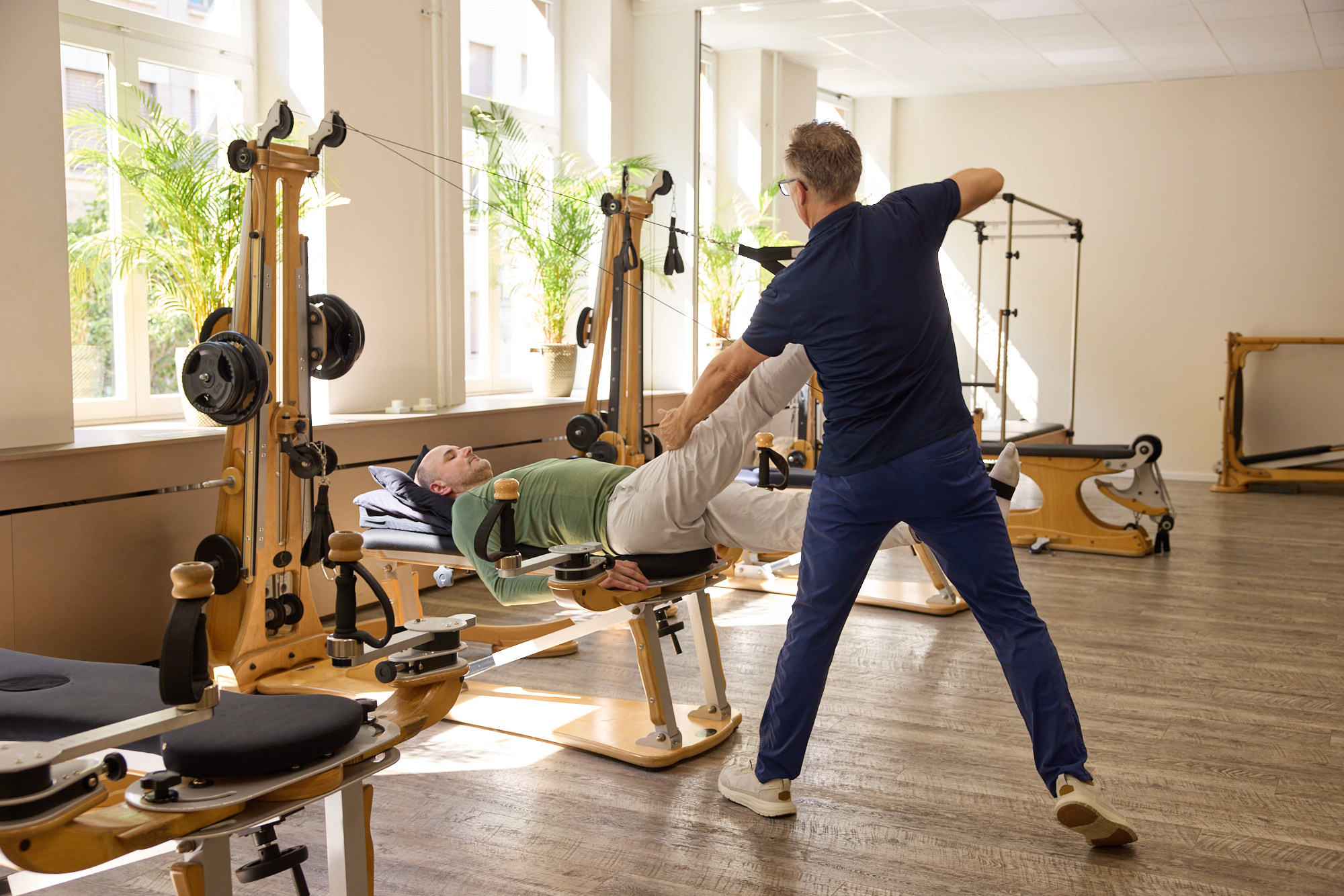
Physiotherapy & active rehabilitation
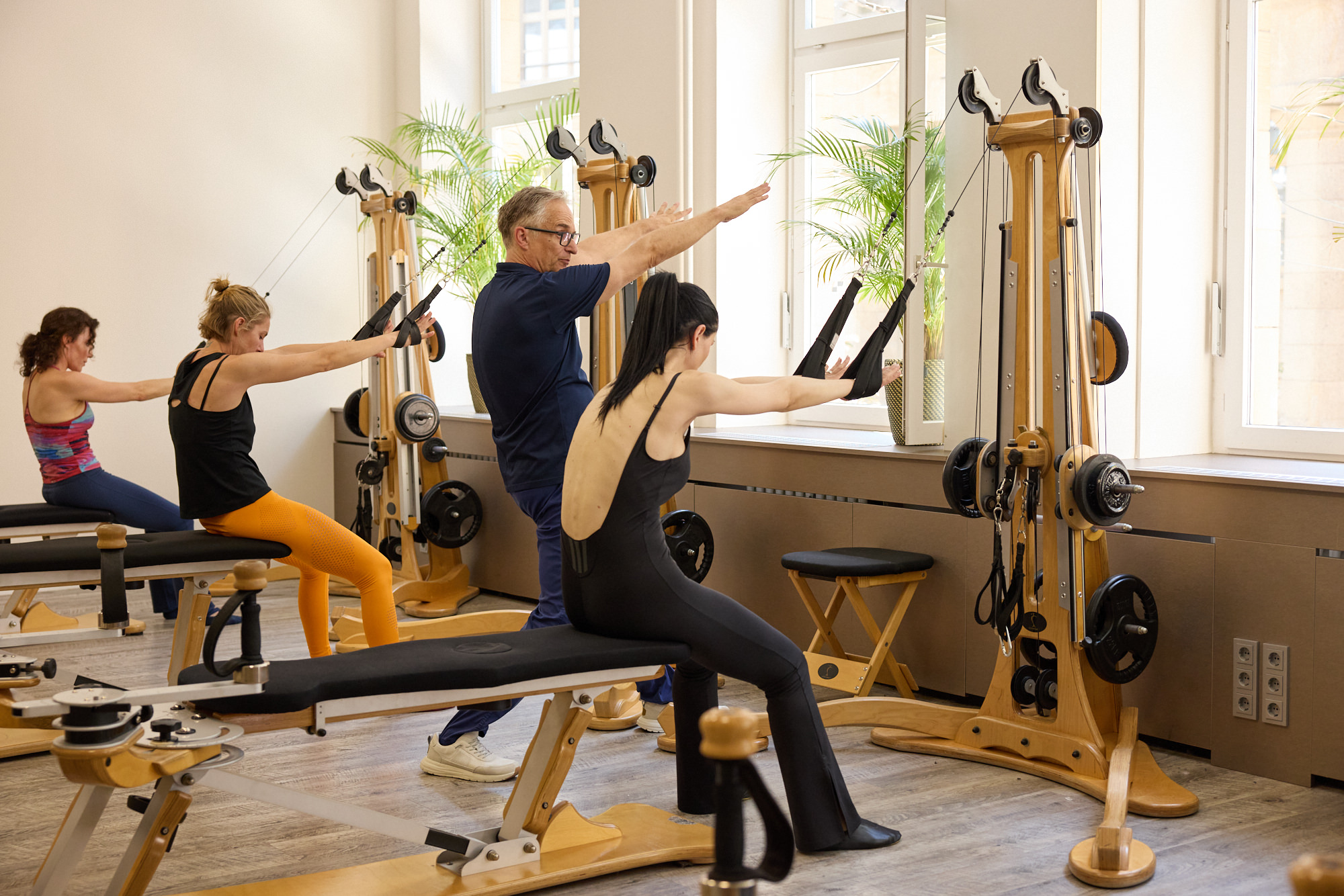
Once the acute phase has been overcome, we transition to active rehabilitation – incorporating functional training, back exercises, and movement routines for everyday life.
How we treat neck pain

Suitable treatments for neck pain




What you can do yourself
Regular movement breaks are more effective than occasional long stretching sessions; brief interruptions to sitting every 30 to 45 minutes noticeably relieve strain on the cervical spine. Pay conscious attention to your head posture while at the screen: position the screen at eye level, keep your shoulders relaxed, and pull your chin back slightly.
Heat provides short-term relief but does not address structural causes. We will tailor the exercises and daily strategies to your specific situation based on the assessment findings.

Did you know?
Actively prevent neck pain
Anyone wishing to prevent neck pain in the long term can take proactive steps by participating in certified prevention courses under Section 20 of the Social Code Book V (SGB V) – with subsidies provided by statutory health insurance funds. Back training and spinal exercises are available as course formats.

FAQ – Frequently asked questions about neck pain
Didn't find what you were looking for? We would be happy to assist you personally.
What could be behind neck pain?
Muscles, fascia, cervical spine joints, or intervertebral discs – it is often an interplay of factors. A precise classification is determined during the assessment.
When should I see a doctor for neck pain?
If you experience numbness, tingling, or loss of strength in the arm, or symptoms following an accident or fall – or if you have pain that worsens at night or is accompanied by fever – it is advisable to consult a doctor before starting physiotherapy.
Do heat and massage help with neck pain?
In the short term, yes – they relax the muscles and relieve pain. In the long term, however, treatment that addresses the root cause is required: movement patterns, stability, and load management.
What can I do myself for neck tension?
Take regular breaks to move, position your screen at eye level, and keep your shoulders relaxed. Which specific exercises are beneficial depends on your individual situation – we will clarify this during the initial appointment.
Can physiotherapy be prescribed for neck pain?
Physiotherapy can be prescribed by a doctor. If you have private health insurance, wish to pay for treatment yourself, or hold supplementary insurance for naturopathic treatments in addition to your statutory health insurance, we will discuss the options that are right for you in a transparent manner.
How does billing work in your private practice?
We bill via private health insurance, state aid schemes (Beihilfe), or as a self-pay service. Physiotherapy is billed according to the GebüH fee schedule, and naturopathic services according to the GebüH HP schedule. Please feel free to contact us if you have any questions regarding billing.
Contact & Appointment
If you would like to request an appointment, you've come to the right place. Simply fill out the form – we will get back to you.
Monday to Friday:
8:00 a.m. to 6:00 p.m.
(Appointments by arrangement)
Phone +49 (0) 69 92038093
Email: info@praxis-laemmerhirt.de
