Manual Therapy in Frankfurt – personalized, targeted, and actively supplemented
Manual therapy is a specialized form of physiotherapy. Using targeted manual techniques and mobilization methods, we support the interplay between joints, muscles, and nerves – always tailored to your clinical findings, your goals, and your specific everyday needs.
The Method
Manual therapy is a specialized form of physiotherapy. Using targeted manual techniques and mobilization methods, we support the interplay between joints, muscles, and nerves – always tailored to your clinical findings, your goals, and your specific everyday needs.
How we work
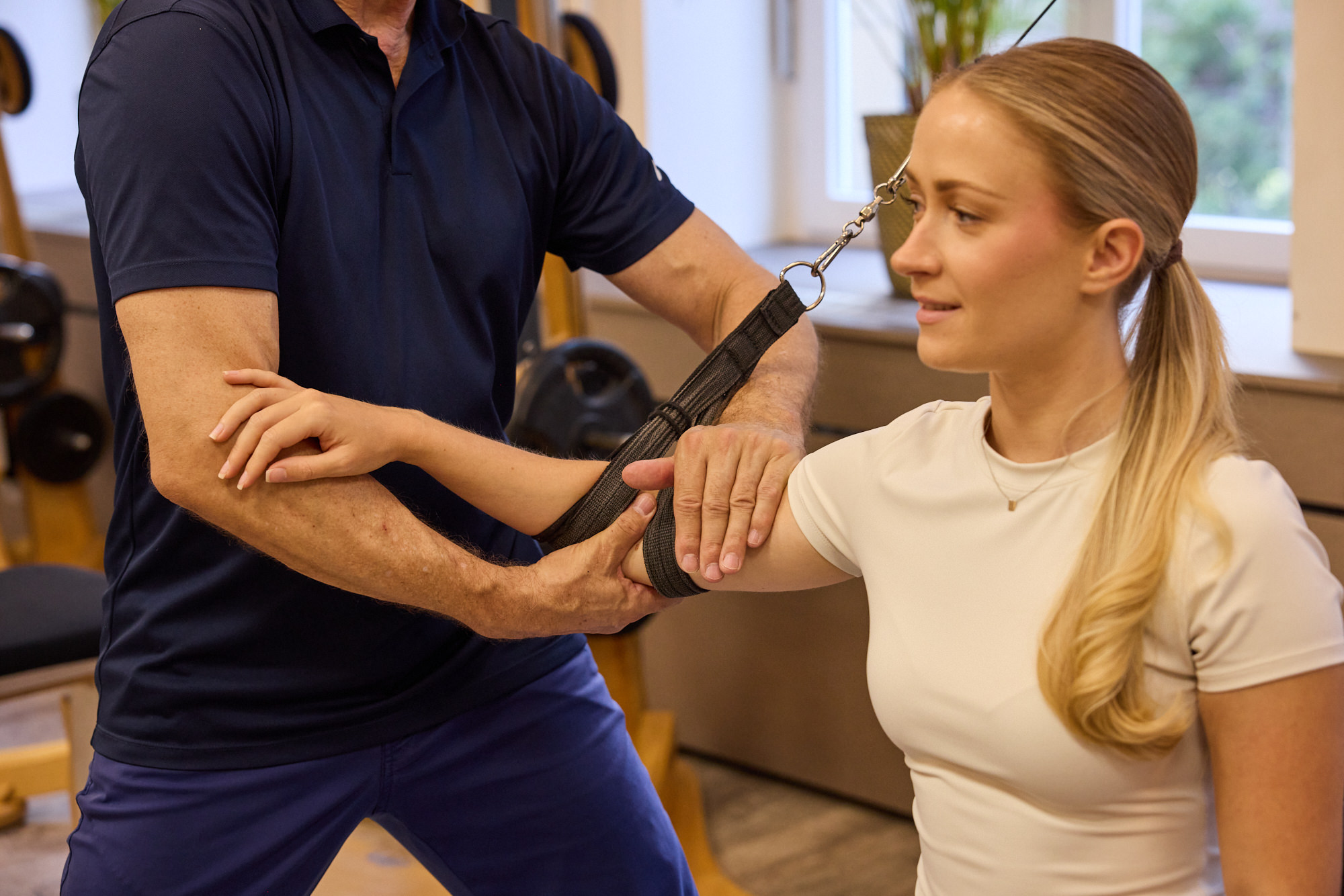
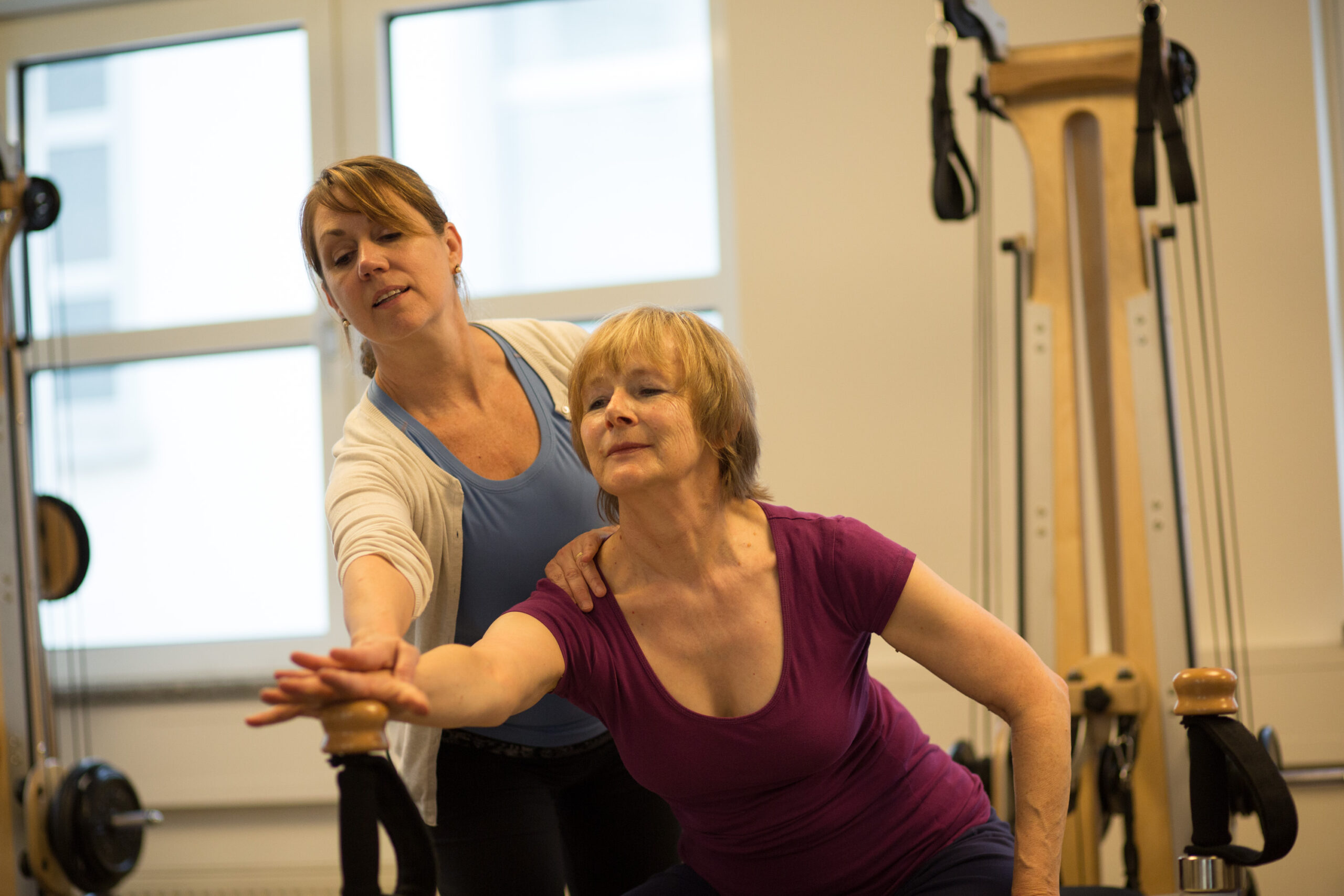
We begin by assessing mobility and movement patterns – and looking at what truly matters in your daily life. We then use targeted mobilization and soft-tissue techniques, complementing them with active elements and exercises. This ensures that the changes aren't limited to the session itself but become tangible in your everyday life.
Typical goals
Targeted improvement of mobility and function, building resilience, and effectively addressing tension and movement restrictions – with a clear next step.
You’ve come to the right place if...
Back in motion
Clearly focused
Understanding what is happening
Where we use manual therapy
We use manual therapy to better assess functional disorders of the musculoskeletal system and to specifically support mobility and resilience in everyday life.
Depending on the findings, we work with Hands-on techniques such as mobilization, gentle traction (pulling/unloading), and soft-tissue techniques – always complemented by activation and exercises – so that the benefits achieved during the session are sustained at home.


Common topics we help with
Back pain & Spine
e.g., acute or chronic back pain, intervertebral disc problems, restricted mobility in the lumbar or cervical spine.
Joint complaints & Restricted mobility
e.g., restricted mobility or "jerky" movements in the shoulder, hip, knee, or ankle.
Tension & muscular complaints
e.g., persistent tension, myofascial trigger points, pain on movement.
CMD & Jaw Disorders
e.g., issues involving the temporomandibular joint or chains of tension radiating into the head and neck.
After injury or surgery
e.g., when mobility and function are to be gradually restored.
Pelvic floor disorders
e.g., pelvic floor weakness in men and women, complaints following childbirth or surgery, pelvic pain.
Supplementary components
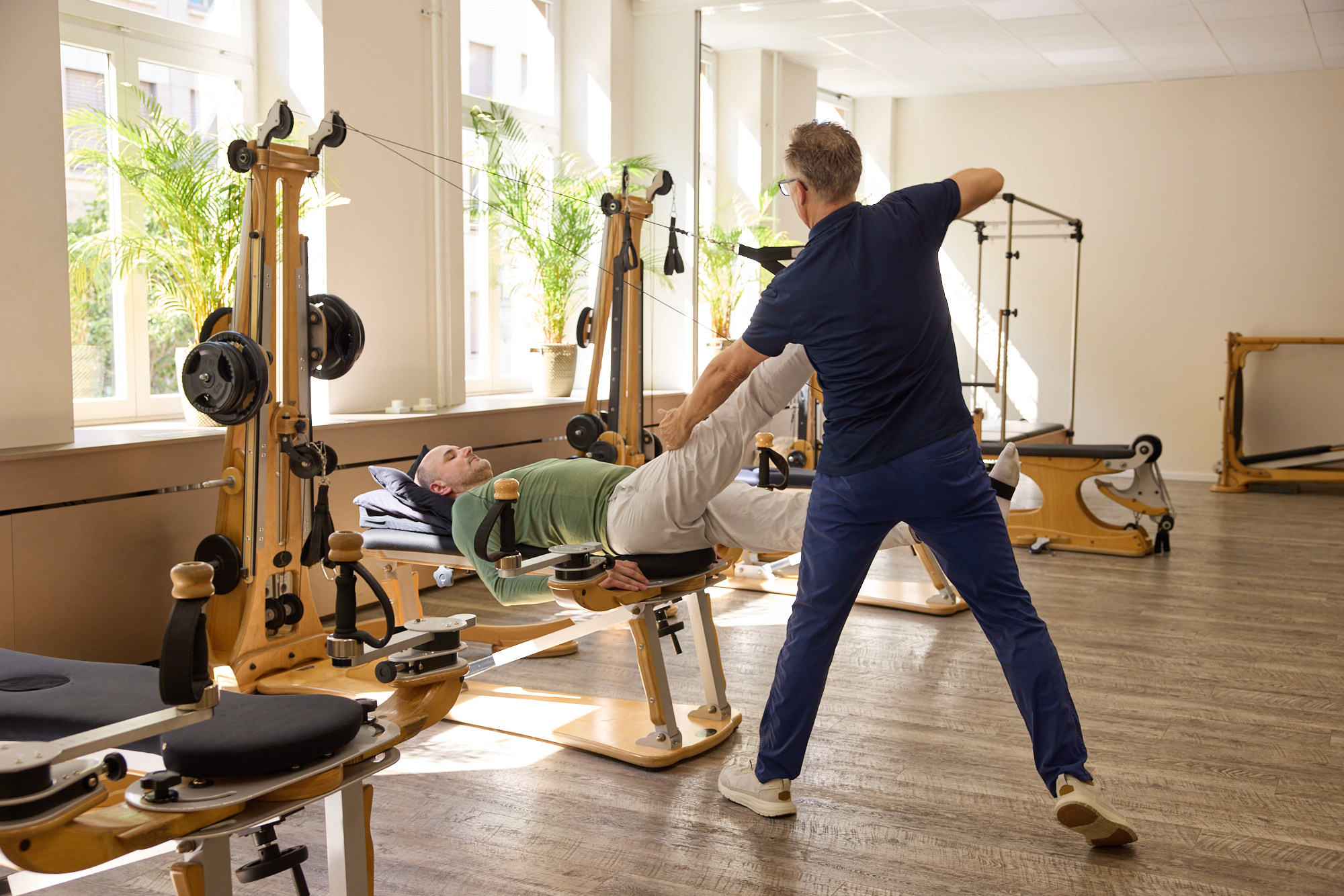
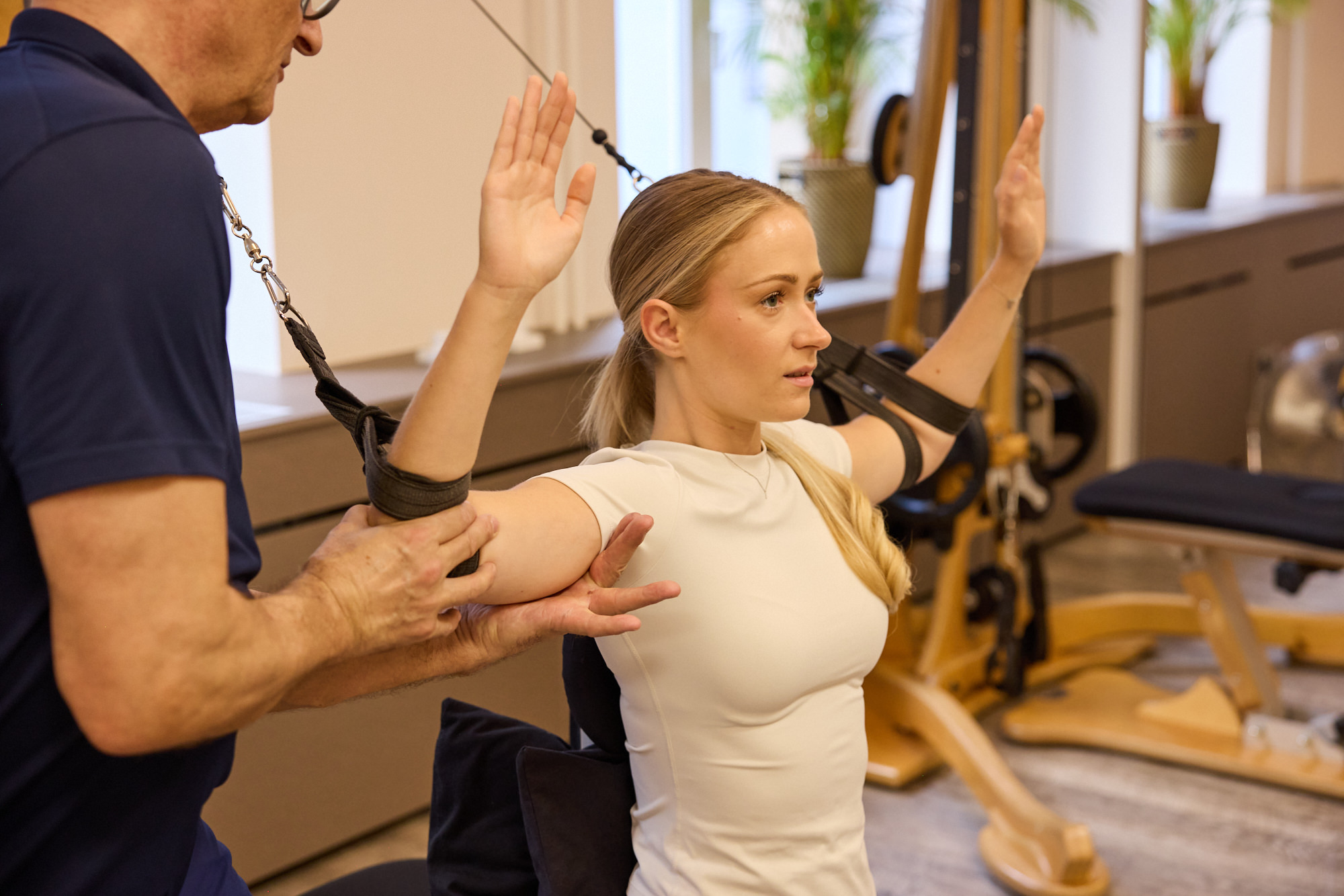
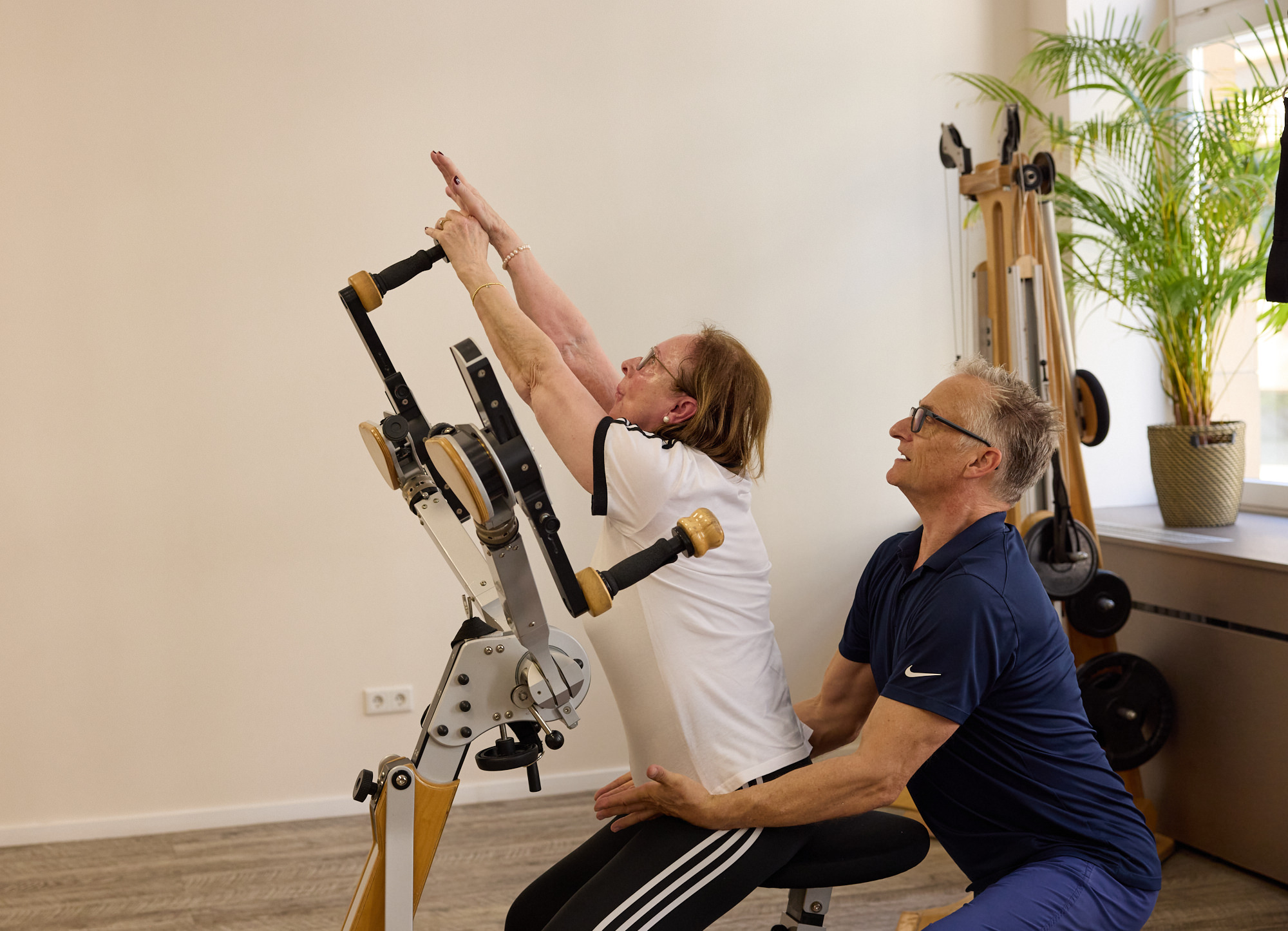
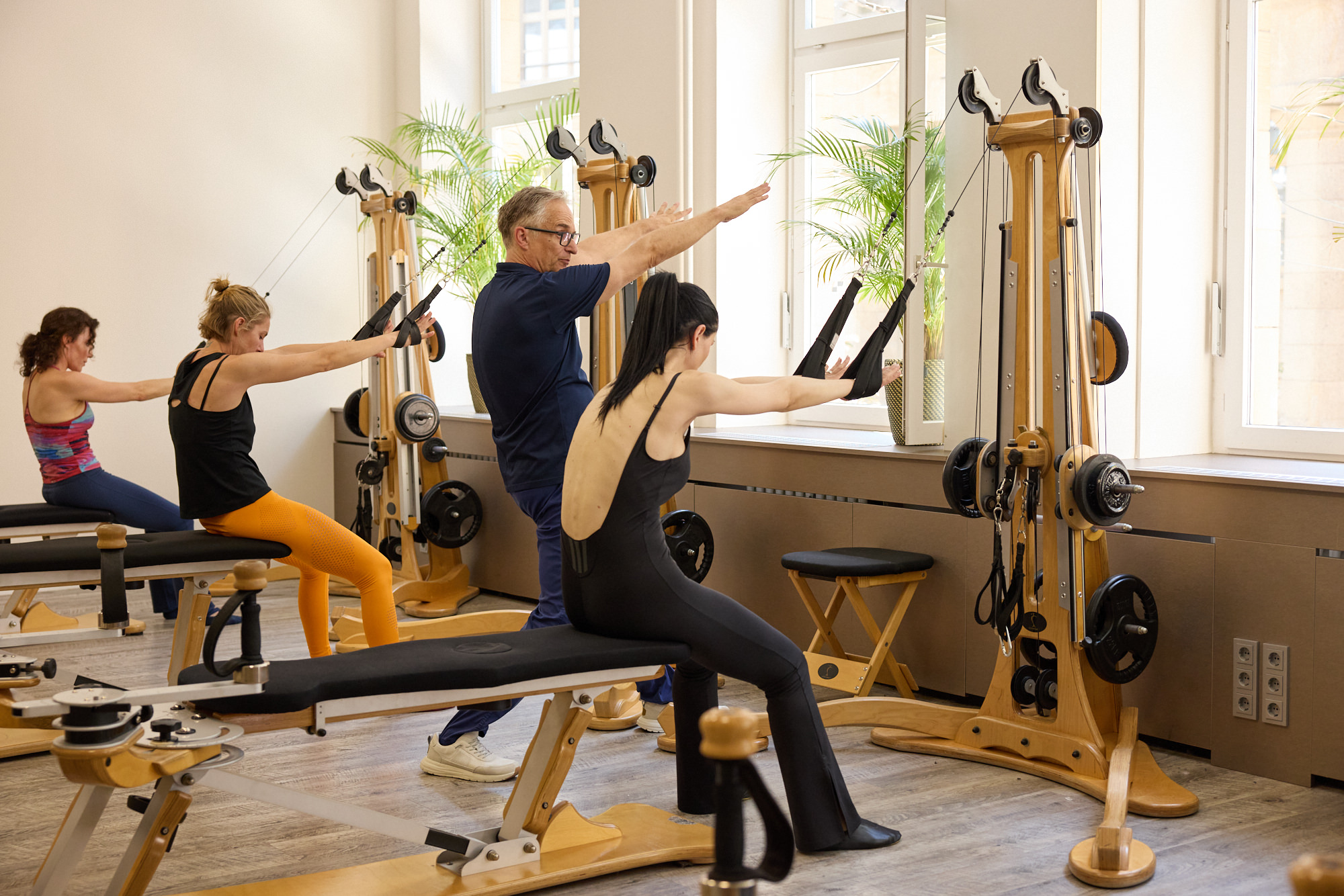
Suitable components that we can add depending on the goal:



Your treatment process
To ensure the treatment is not left to chance, we follow a clear process: we identify the specific limitations you face in your daily life, select appropriate techniques, and complement them with active elements and exercises.
Step 1 | Medical History & Analysis
We discuss your concerns, goals, and relevant movements – and look at what really matters in your everyday life.
Step 2 | Targeted manual treatment
Gentle mobilization and targeted manual techniques – tailored to your diagnosis and clearly explained.
Step 3 | Treatment & Activation
Active elements follow immediately afterwards, so the body can "take away" what is new.
Step 4 | Exercise Integration
You receive clear, actionable exercises – suited to your daily life, job, or training.

Did you know?
Focus on common complaints
Sometimes the first question isn't about the method – but rather what makes sense for your specific needs.
In the "Common Complaints" section, you will find guidance on frequently occurring conditions – featuring clear information, sensible next steps, and appropriate therapeutic components.
FAQ – Frequently Asked Questions
Didn't find what you were looking for? We would be happy to assist you personally.
What is manual therapy – briefly explained?
Manual therapy is a specialized form of physiotherapy. Using targeted manual techniques and mobilization, we support mobility and function – often combined with guidance on active exercises.
What does manual therapy involve?
We begin by assessing mobility and movement patterns, then proceed with targeted mobilization and soft-tissue techniques. You will also receive appropriate active exercises and routines to incorporate into your daily life.
How long does manual therapy take?
That depends on the prescription and the goal. We will explain the process transparently and tailor the content to your individual needs.
What is the difference between manual therapy and physical therapy?
Manual therapy relies more heavily on specific manual techniques and mobilization. Physical therapy focuses more often on active exercises – in practice, the two often complement each other effectively.
Do I need a prescription?
Manual therapy can be prescribed by a physician. If you have private health insurance, wish to pay for treatment yourself, or hold supplementary insurance for naturopathic treatments in addition to your statutory health insurance, we will transparently discuss the options that are right for you.
How much does manual therapy cost without a prescription?
This depends on the scope and framework. Please feel free to contact us – we will provide you with a clear assessment.
Are there manual therapy exercises for home?
Yes. You will receive simple exercises tailored to your goal – so that you can continue working effectively between appointments.
What should I bring to the first appointment?
If available: referral/prescription, relevant test results, and comfortable clothing. Note: As some people are sensitive to scents, we ask that you refrain from wearing strong perfume. Please feel free to contact us if you are unsure.
Contact & Appointment
If you would like to request an appointment, you've come to the right place. Simply fill out the form – we will get back to you.
Monday to Friday:
8:00 a.m. to 6:00 p.m.
(Appointments by arrangement)
Phone +49 (0) 69 92038093
Email: info@praxis-laemmerhirt.de
