The Method
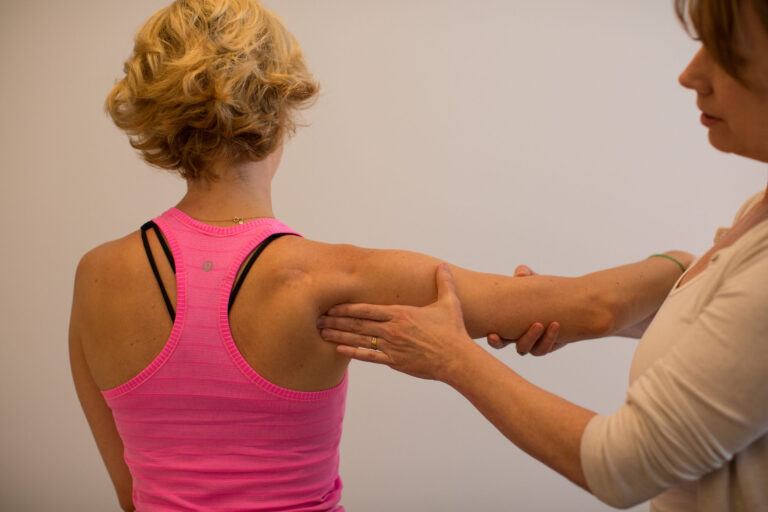
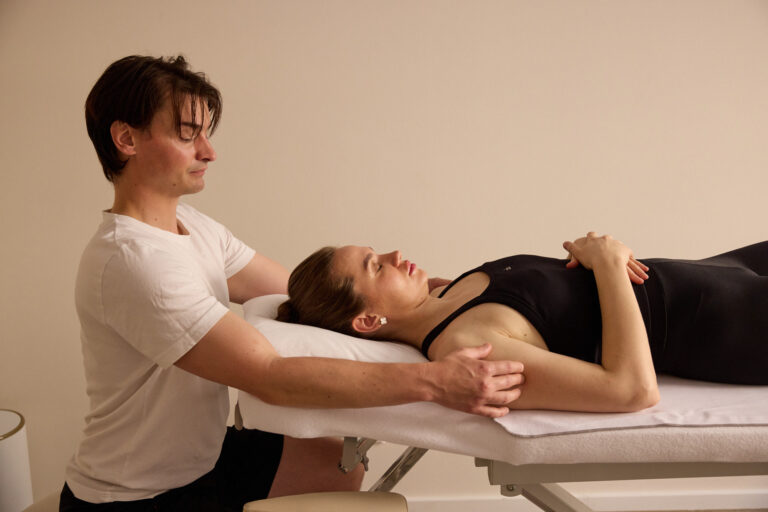
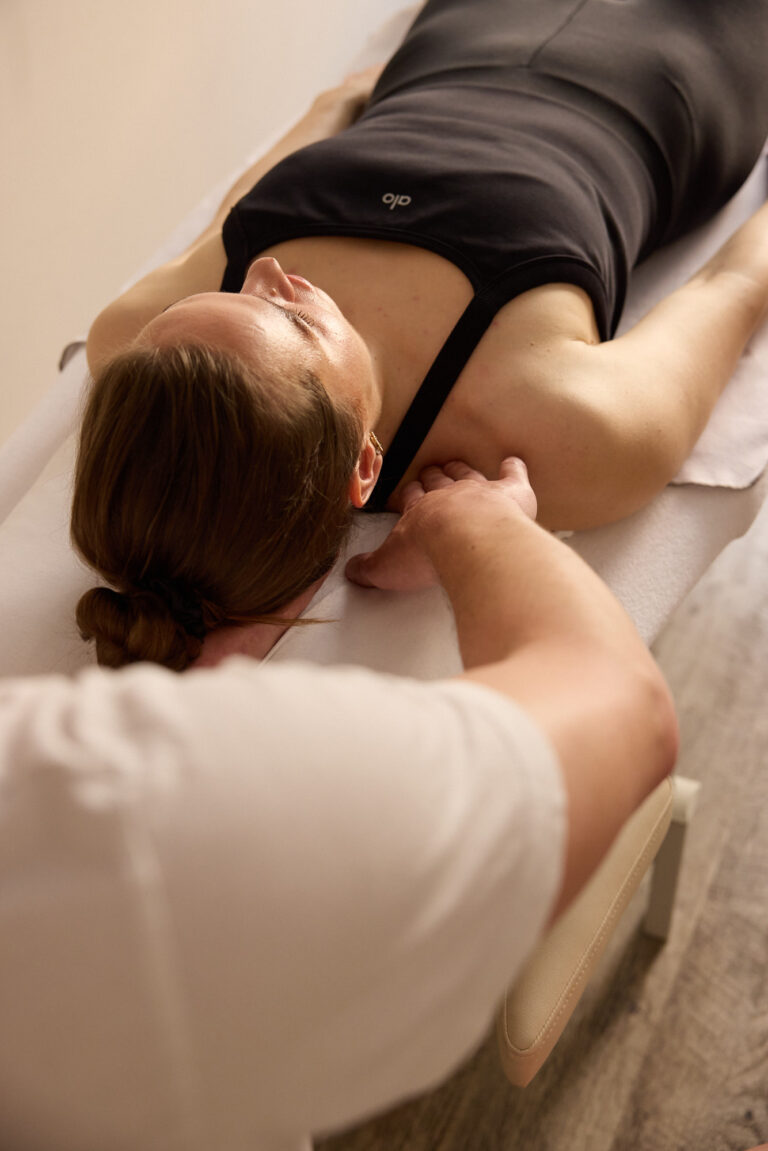
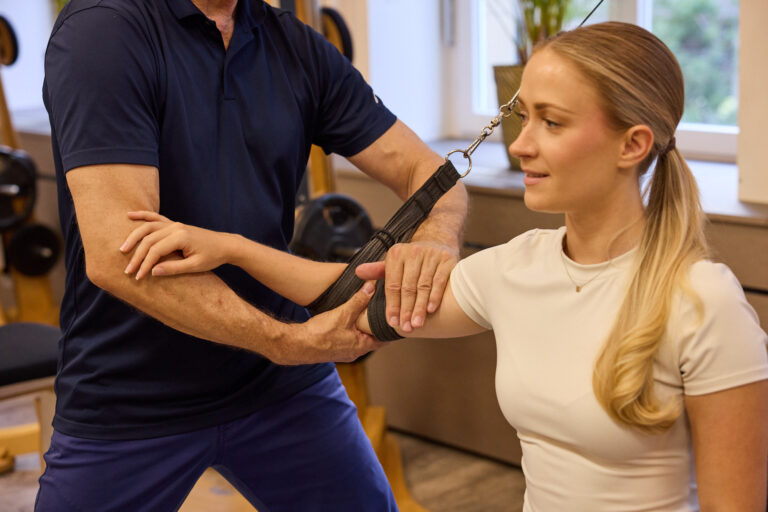
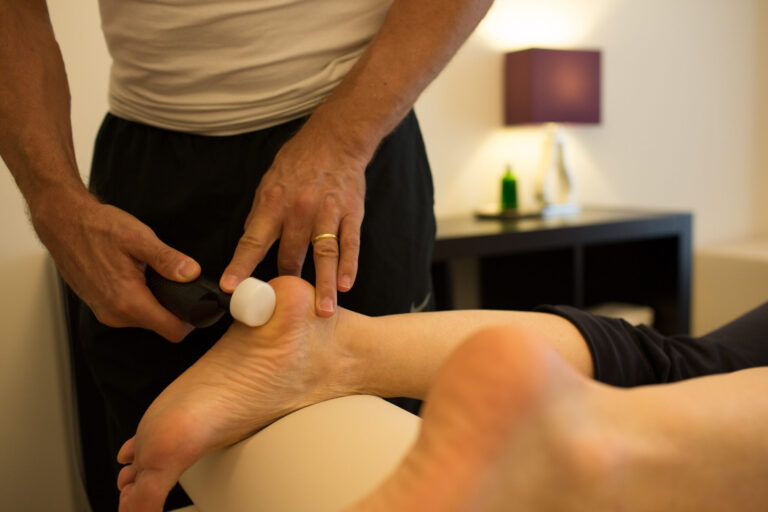
Muscles respond to stimuli by increasing their tension. This is precisely where Myoreflex Therapy comes in – while also utilizing the reverse approach: targeted manual pressure applied to specific muscle attachment points provides the nervous system with feedback capable of influencing tension patterns.
How we work
At the Lämmerhirt practice, we use Myoreflex Therapy as a specialized component: structured, clearly explained, and – where appropriate – complemented by active exercises to ensure that changes remain stable in everyday life.
Typical goals
Functionally influence tension patterns and muscular balance, support movement quality, improve resilience, and sustain progress through active exercises.
You’ve come to the right place if...
Targeted & contextualized
Recognize patterns
Functional & active
How we use Myoreflex Therapy
The central idea is that pain often signals an imbalance – for instance, due to one-sided strain, overloading, chronic tension, or following an injury. Crucially, the site of the pain does not always correspond to the location of the underlying cause within the body's movement and tension patterns.
Accidents or traumatic events can also have a lasting impact on body mechanics and movement patterns – even long after acute symptoms have subsided. Myoreflex Therapy aims to identify such deep-seated protective tension and help the system release compensatory patterns, enabling movement to become more natural and free once again.
Common topics we help with
Back and neck complaints
Tension patterns, protective postures, and muscular imbalances – assessed and treated at the muscle attachments.
Joint complaints & Restricted mobility
Movement restrictions and joint pain, where muscular factors and compensatory mechanisms are incorporated into the treatment.
Tension & muscular complaints
Treat persistent tension and complaints associated with muscular tension, including those involving the head and migraines.
CMD & Jaw Disorders
Tension patterns in the jaw and neck region – classified as part of an overall functional assessment.
After injury or surgery
Residual protective patterns following a fall, whiplash, or injury – even long after acute symptoms have subsided.
Intervertebral disc problems
Recognizing and treating load, protective patterns, and movement quality in cases of intervertebral disc disorders.
Supplementary components
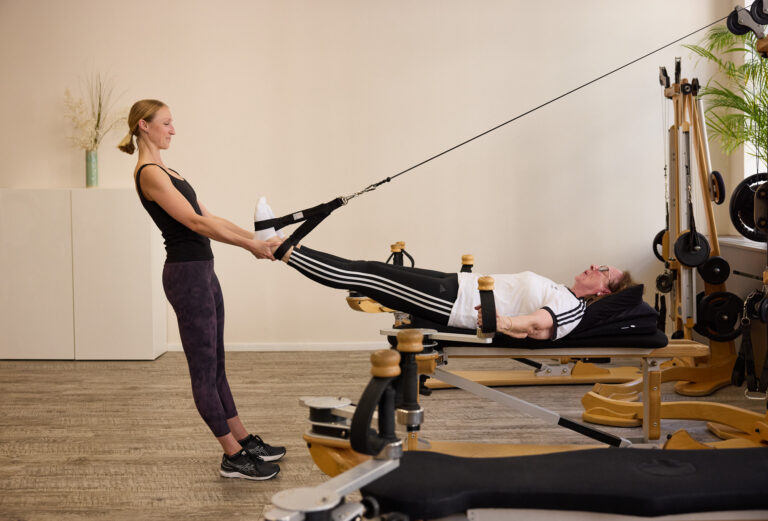
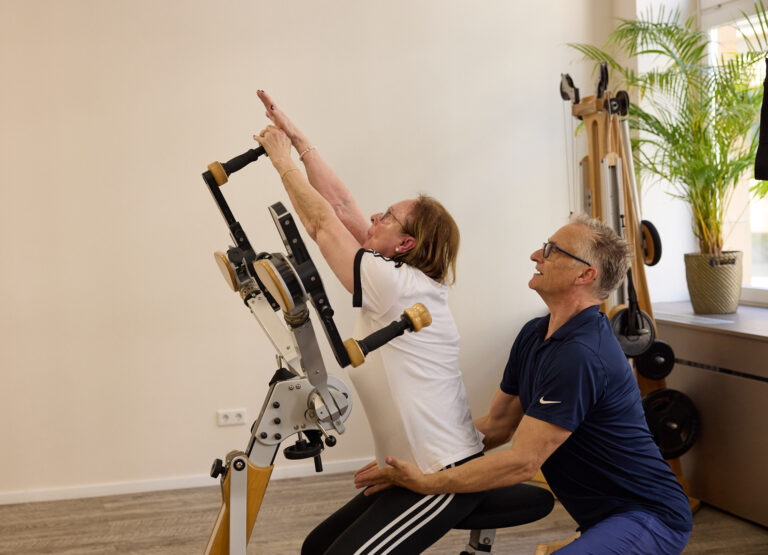
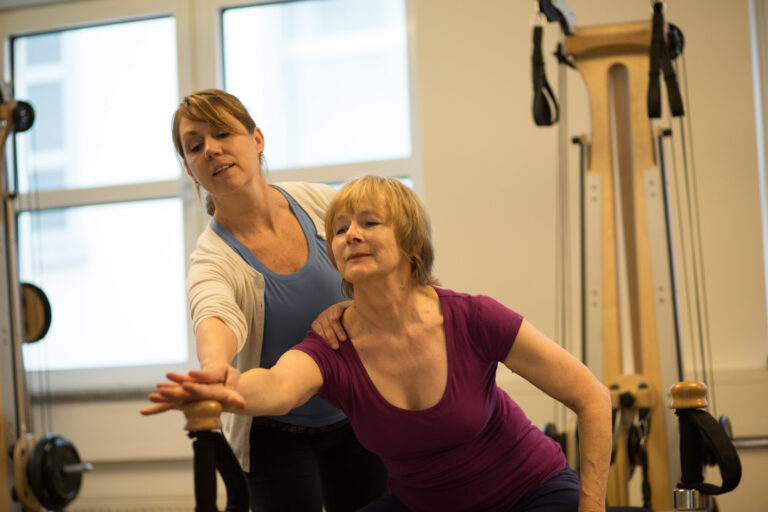
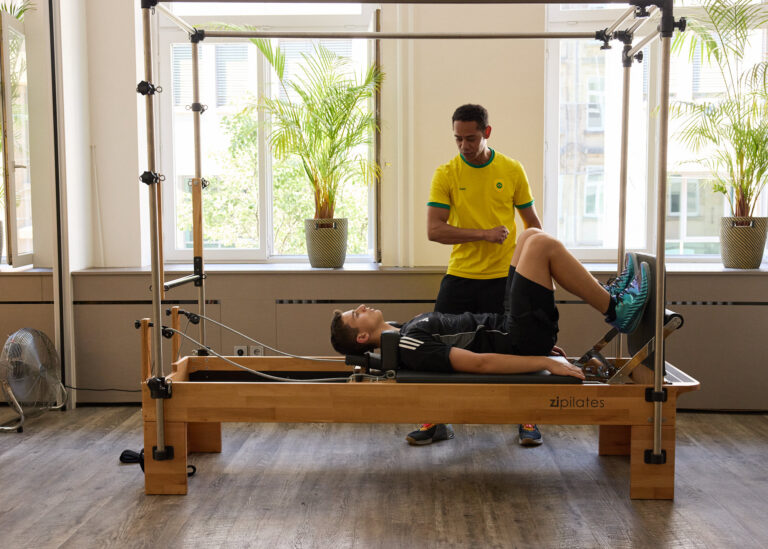
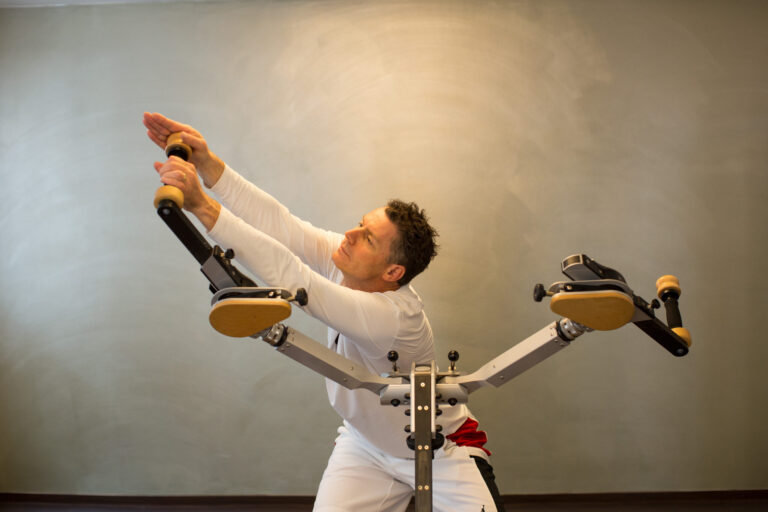
Suitable components that we can add depending on the goal:

Your treatment process
To ensure you don’t have to switch back and forth between “treatment” and “exercises,” our approach follows a clear logic: understand → work in a targeted way → actively stabilize → integrate into daily life.
Step 1 | Medical History & Analysis
We address concerns, physical stresses, and movement patterns, and assess tension, mobility, and relevant interrelationships.
Step 2 | Targeted Myoreflex treatment
We apply manual stimuli via pressure points and soft-tissue techniques—tailored to your specific findings rather than following a standardized protocol.
Step 3 | Active Supplement
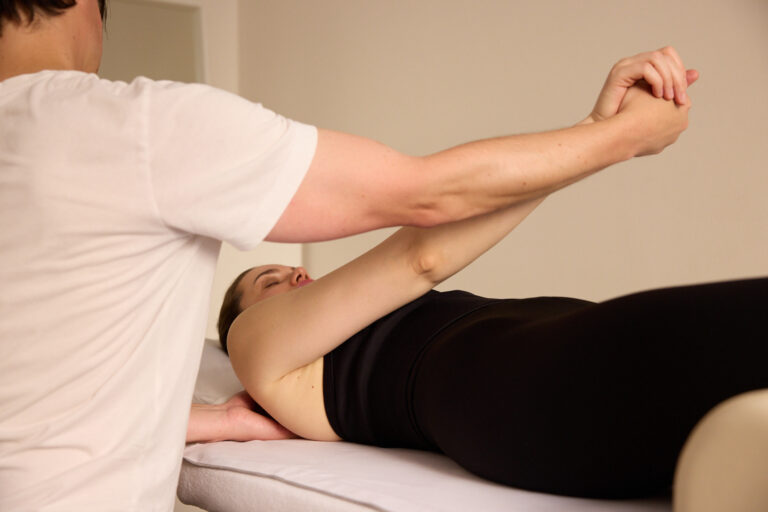
You will receive appropriate exercises (e.g., for control, stability, and movement quality) to ensure lasting change.
Step 4 | Exercise Integration & Progression
We apply this to everyday life, work, or sports – with a plan that is realistically achievable.

Still unsure?
Focus on common complaints
Sometimes the first question isn't about the method – but rather what makes sense for your specific needs.
In the "Common Complaints" section, you will find guidance on frequently occurring conditions – featuring clear information, sensible next steps, and appropriate therapeutic components.
FAQ – Frequently Asked Questions
Didn't find what you were looking for? We would be happy to assist you personally.
What is Myoreflex Therapy – briefly explained?
A manual regulation technique within physiotherapy that employs targeted pressure points and functional relationships – often complemented by active exercises.
What can I expect at the start?
We begin with a consultation and analysis. This is followed by targeted manual treatment and – depending on the goal – appropriate active guidance.
Can Myoreflex Therapy be supplemented by exercises?
Yes. You will receive exercises tailored to your condition that are realistic to incorporate into your daily routine.
How long does a treatment take?
That depends on the prescription, the initial situation, and the goal. We discuss the next steps transparently and adjust the content as we progress.
Do I need a prescription?
Physiotherapy can be prescribed by a doctor. If you have private health insurance, are a self-paying patient, or hold supplementary insurance, we will discuss the suitable options with you transparently.
What should I bring to the first appointment?
If available: referral/prescription, relevant test results, and comfortable clothing. Note: As some people are sensitive to scents, we ask that you refrain from wearing strong perfume. Please feel free to contact us if you are unsure.
Contact & Appointment
If you would like to request an appointment, you've come to the right place. Simply fill out the form – we will get back to you.
Monday to Friday:
8:00 a.m. to 6:00 p.m.
(Appointments by arrangement)
Phone +49 (0) 69 92038093
Email: info@praxis-laemmerhirt.de