Prenatal & Postnatal Training in Frankfurt – move safely, stay stable, make a healthy recovery
Pregnancy and the postpartum period bring noticeable changes to the body – posture, breathing, the core, and the pelvic floor all need to readjust. Our training program supports you through this process with exercises tailored to your specific stage, clear guidance, and a pace that is realistic for everyday life.
Prenatal – staying active and safe
During pregnancy, the focus is on maintaining mobility and strength, preventing discomfort, and preparing the body for childbirth – adapted to the specific stage and without overexertion.
Postnatal – a structured return to fitness
After childbirth, the focus shifts to recovery: the pelvic floor, core stability, and body awareness are reactivated through targeted exercises. We also employ a safe, adapted approach for cases involving diastasis recti or recovery after a Caesarean section.
Movement quality as a foundation
We work with principles of fluid movement – drawing on methods such as GYROKINESIS® and GYROTONIC® – to foster coordination, controlled strength, and body awareness. We do this not as a trend, but wherever it makes methodological sense.
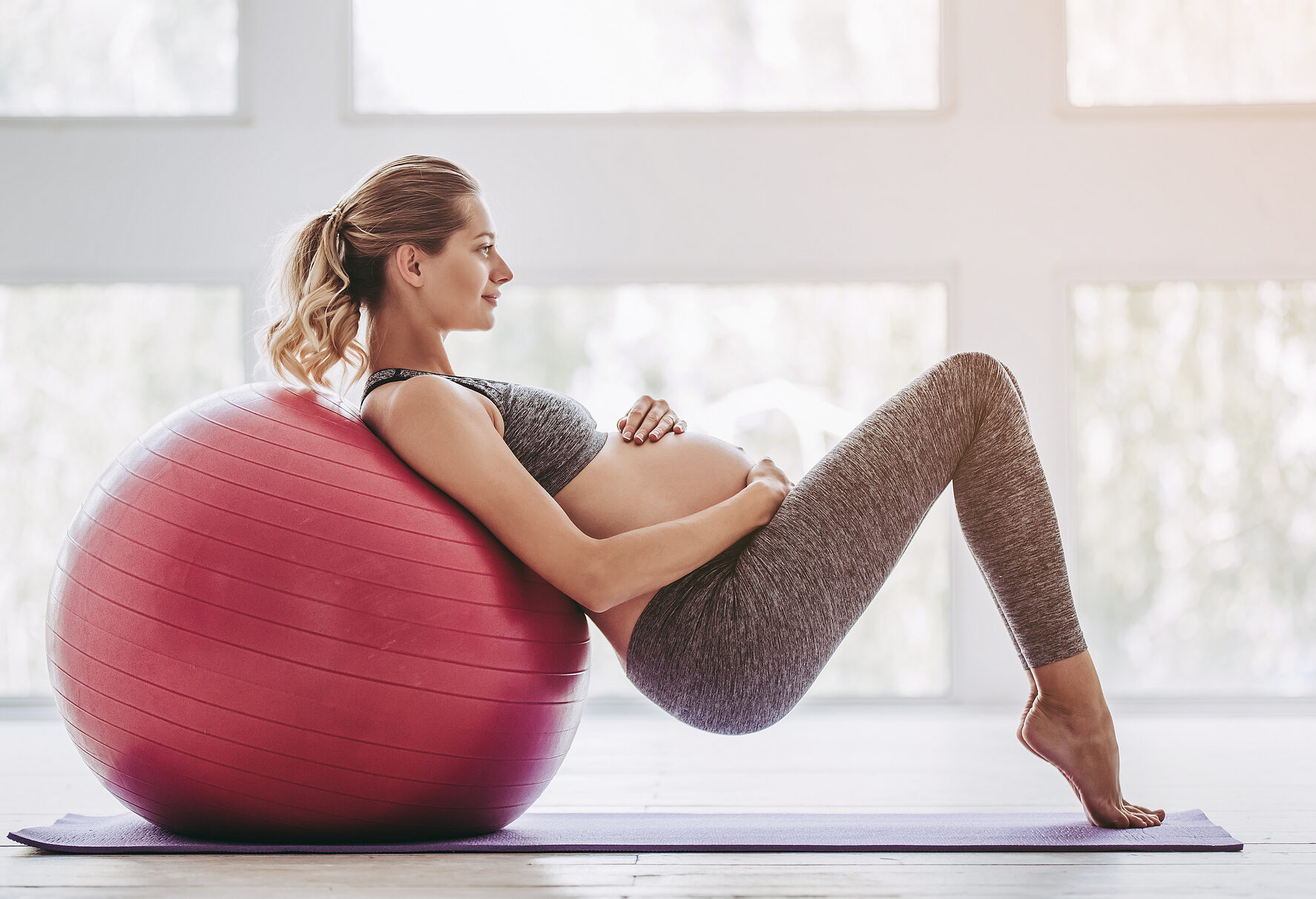
You’ve come to the right place if...
Staying active during pregnancy
Build a structured routine after the birth
Exercises that really work in everyday life
How we implement pre- and postnatal training
Pregnancy and the postpartum period change the body – not in a "bad" way, but noticeably: posture, breathing, the core, and the pelvic floor have to reorganize themselves.
Especially after giving birth, many women initially feel "not quite themselves" – as if stability, strength, and a sense of connection to their bodies have not yet fully returned. Our training helps you reconnect with your body and gradually regain that familiar sense of physical well-being.
Our pre- and postnatal training helps you stay active safely and with minimal discomfort – and rebuild your fitness in a structured way after giving birth – using exercises tailored to your specific stage, clear guidance, and a pace that fits realistically into your daily life.
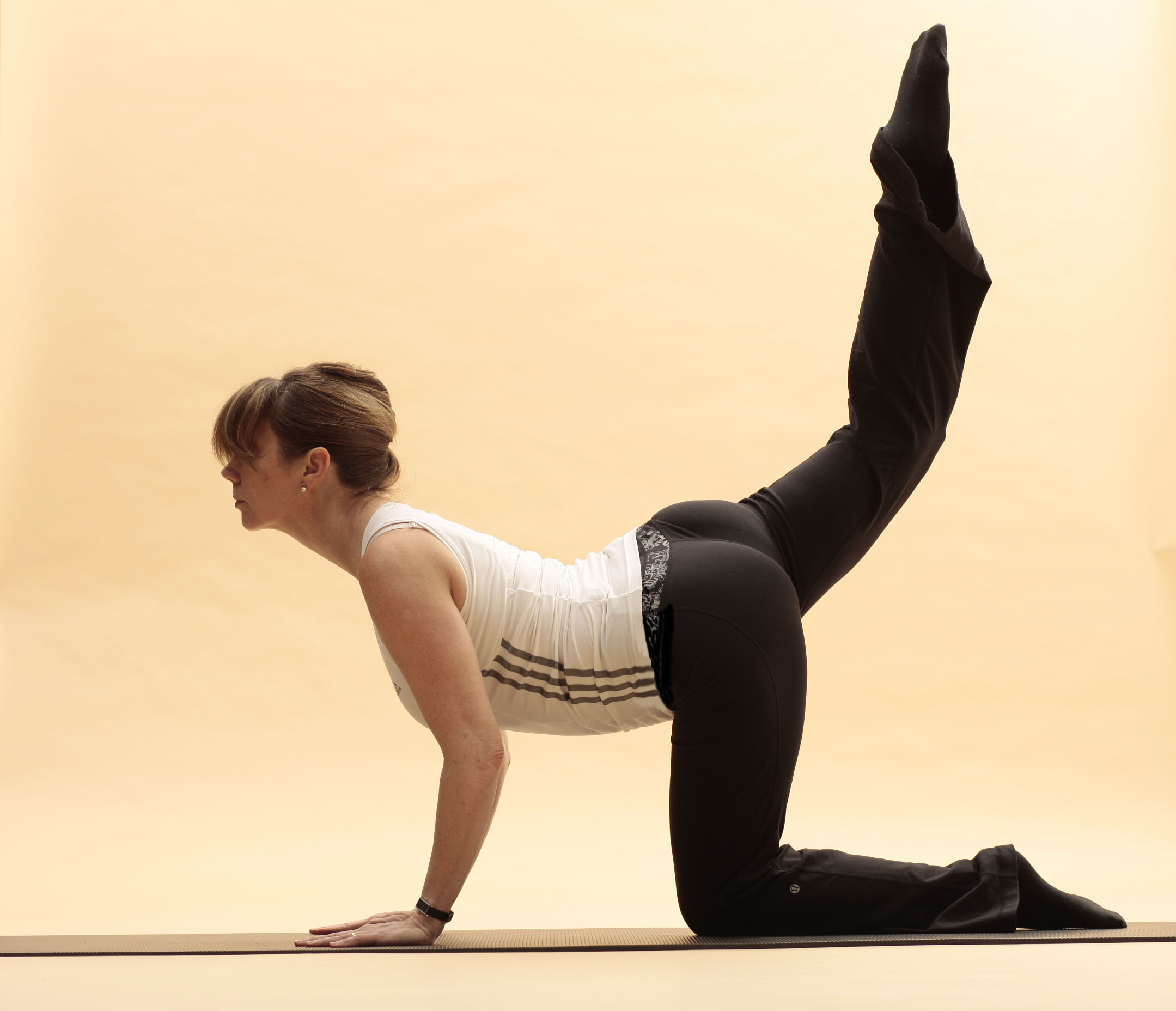
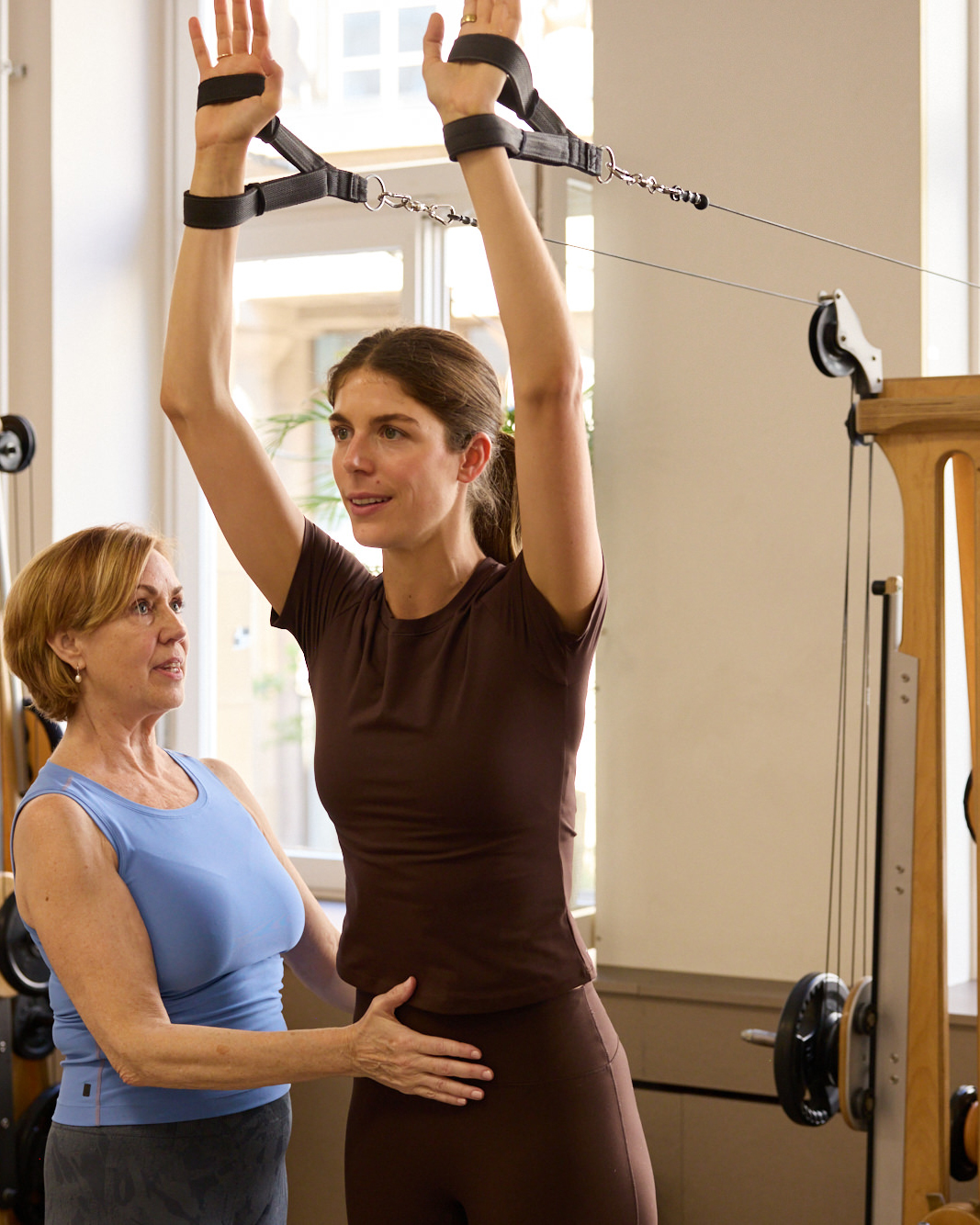
Common topics we help with
Core & Pelvic Floor
Pelvic floor, diaphragm, and core musculature as a functional unit – we do not train in isolation, but rather in coordination with breathing and movement.
Posture & Mobility
The altered body mechanics of pregnancy and the physical demands of daily life after childbirth (carrying, breastfeeding, lifting) require targeted counter-measures – for the back, rib cage, and pelvis.
Diastasis recti
Abdominal separation is common and highly treatable. We focus on the deep abdominal muscles using a functional approach and support the recovery process with a sensible, progressive increase in load.
Training after a C-section
Scar healing, tissue tension, and load tolerance determine the pace. We build up gradually – keeping in mind what the body is currently capable of and what should wait.
Returning to Sport and Physical Exertion
When is it too early, and when does it make sense? We help you gauge the right timing and increase the workload in a way that ensures progress does not come at the expense of your postpartum recovery.
Everyday Transfer & Routines
Carrying, lifting, standing for long periods – daily life with a baby is physically demanding. We provide you with practical strategies that work even when time and energy are in short supply.
Supplementary components
Suitable components that we can add depending on the goal:
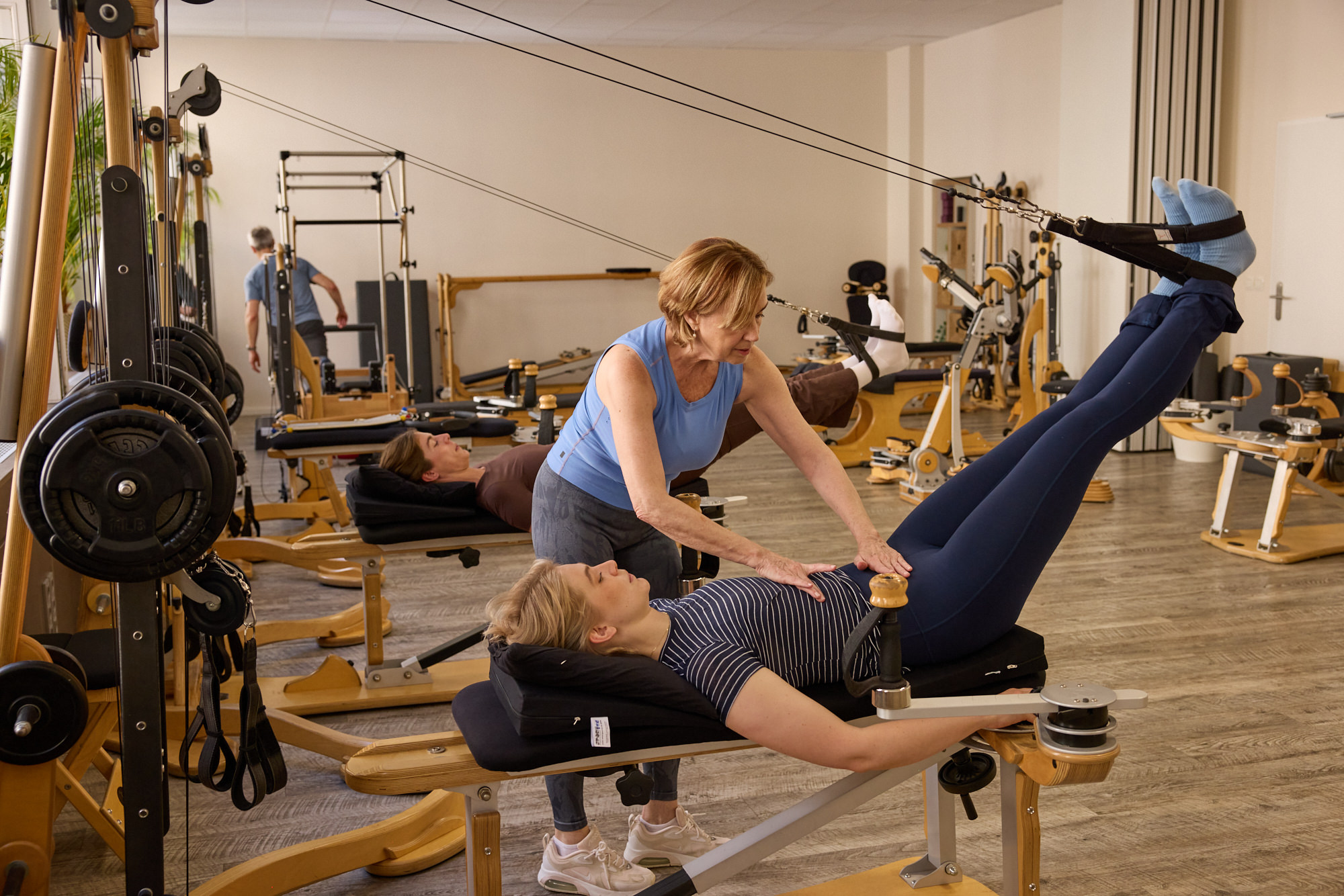

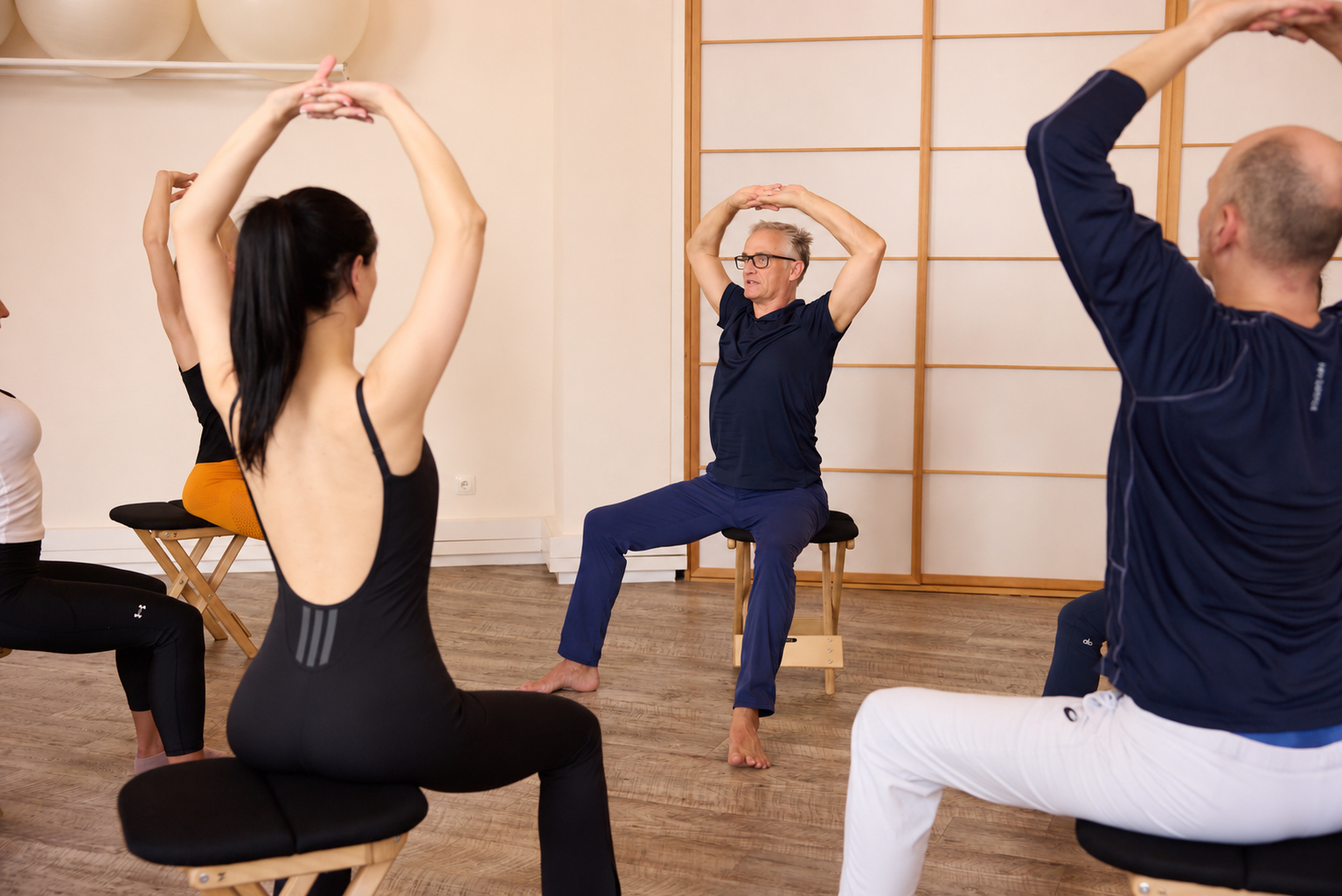

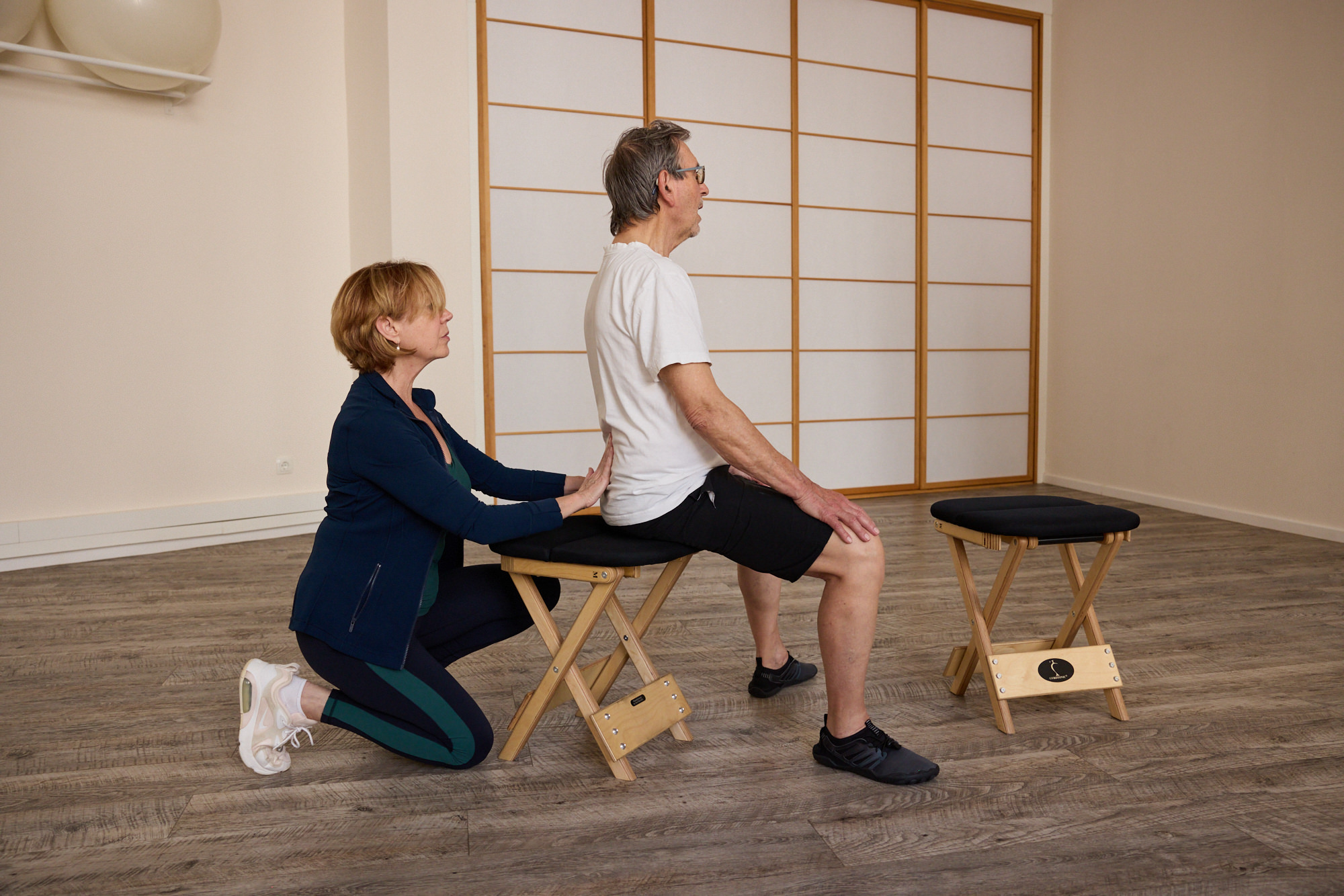
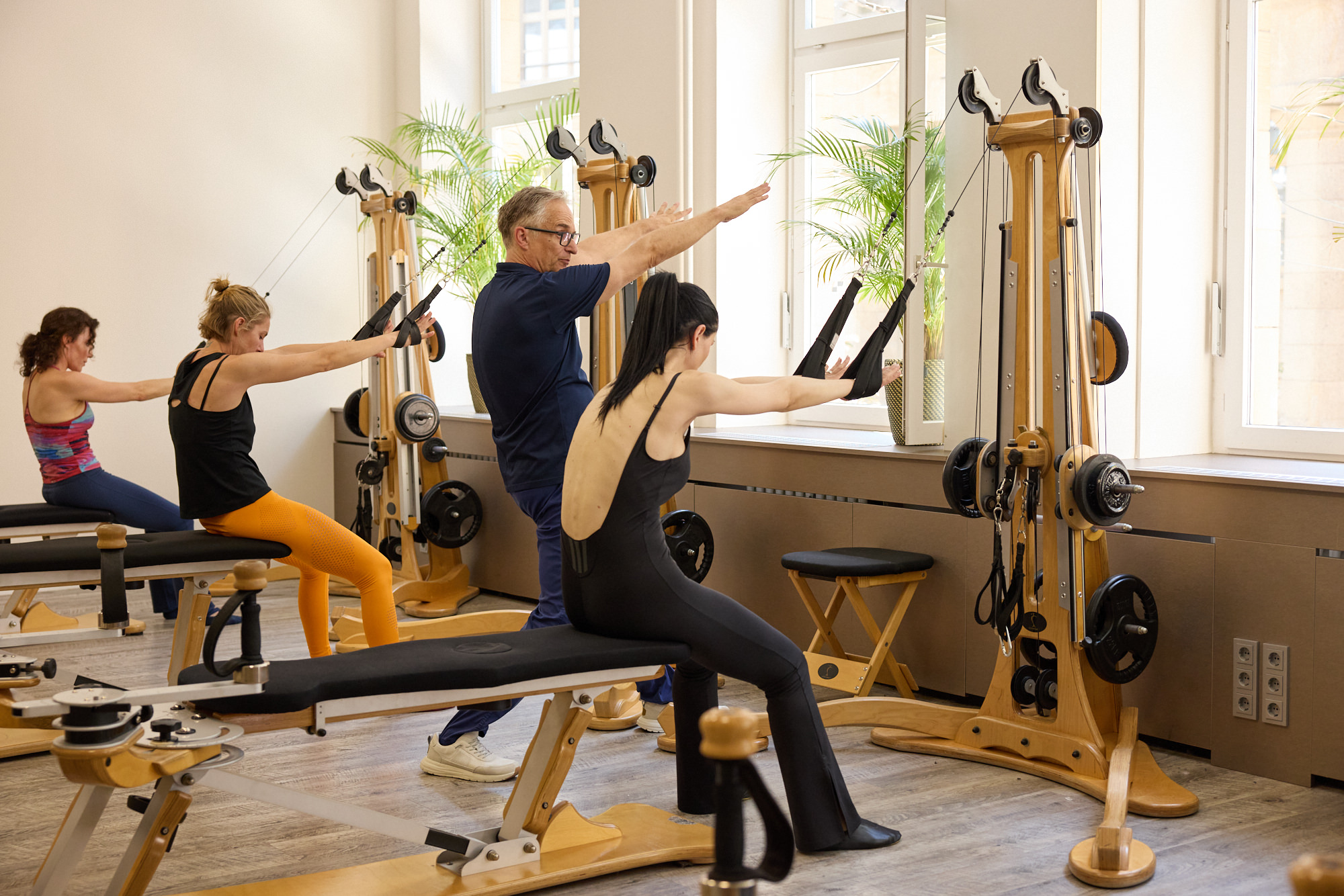
How to get started with us
To ensure the training suits your current stage and makes you feel confident, our approach follows a clear structure – from the initial consultation to a routine that works in everyday life.
Step 1 | Secure Foundation
We clarify the phase, your daily routine, current physical demands, and your goals – whether it is pregnancy, early postpartum recovery, or targeted strengthening. This determines where we start and how to appropriately tailor the intensity.
Step 2 | Targeted manual treatment
Breathing, posture, core stability—we lay the foundations to ensure exercises are stable and well-controlled. We only increase the load once the basics are solid.
Step 3 | Targeted Development
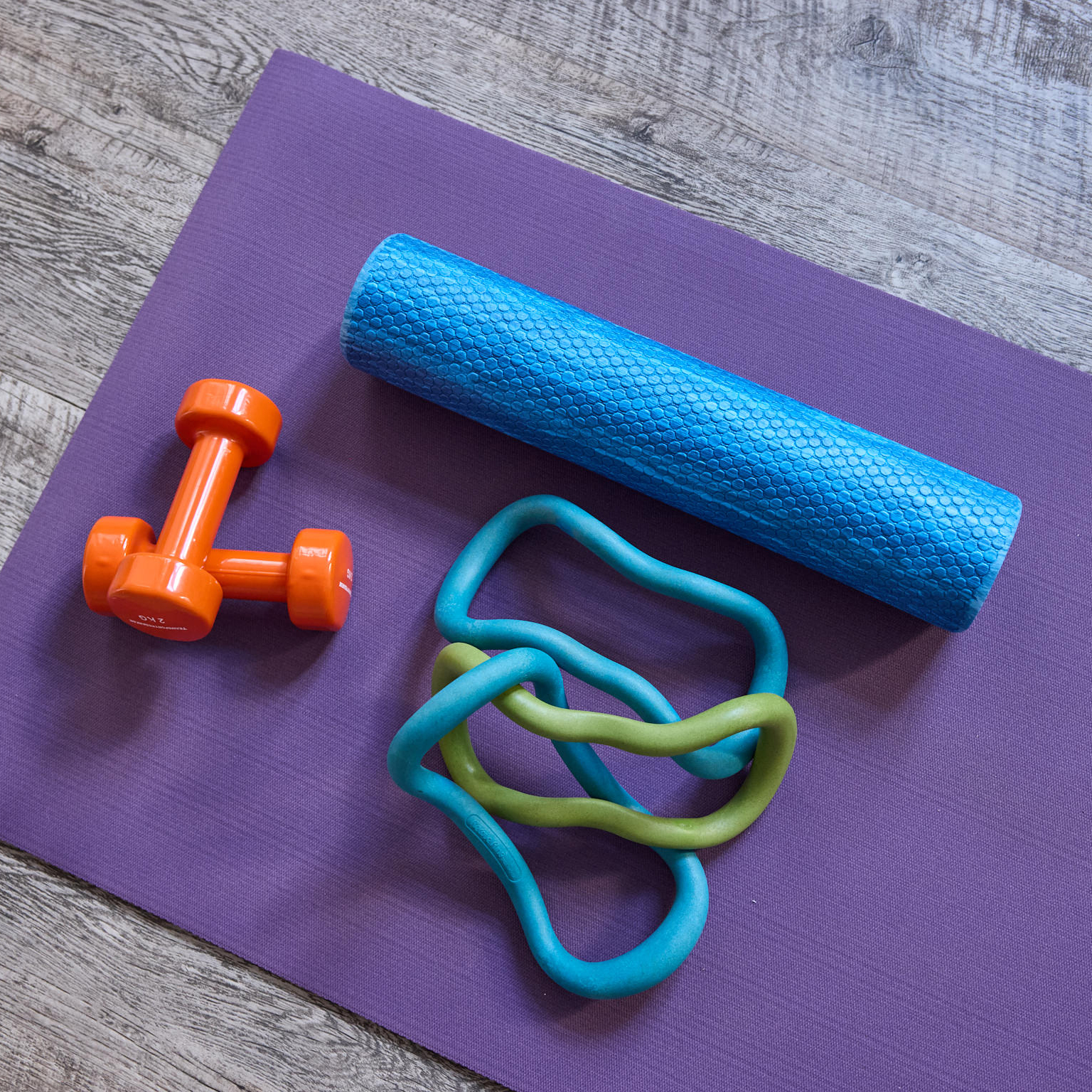
Strengthening and coordination tailored to your level – on the mat, incorporating functional elements and, as needed, Pilates-based components.
Step 4 | Integration into Daily Life
You receive clear routines for home – concise, concrete, and tailored to your current stage of life.

Did you know?
Health insurance subsidy available
Depending on the course format, certified prevention courses under Section 20 of the Social Code Book V (SGB V) may be eligible for subsidies from statutory health insurance funds. You can find details on our prevention courses page.
FAQ – Frequently Asked Questions
Didn't find what you were looking for? We would be happy to assist you personally.
What is pre- and postnatal training?
Health-oriented training for pregnancy and the postpartum period, focusing on the core, pelvic floor, breathing, and posture. The goal is safe, appropriately tailored conditioning during both phases.
When can I start after giving birth?
This depends on the course of the birth and medical clearance. We often begin after the postnatal check-up, approximately six to eight weeks after delivery. We tailor the intensity and content to your individual level.
What is the difference compared to postnatal recovery exercises or physiotherapy?
Our training focuses on preventive strengthening – for women without acute symptoms who wish to get back into shape in a structured way. Physiotherapy is the better starting point if pain, severe incontinence, or other issues are the primary concern.
Will I get exercises to do at home?
Yes. You will receive exercises and routines that suit your phase and are realistically achievable in everyday life – even when you have little time.
Does the health insurance cover any of it?
For course formats certified under Section 20 of the Social Code Book V (SGB V), subsidies from statutory health insurance providers may be available. We would be happy to clarify the details with you directly.
I have symptoms – what is the right starting point for me?
If you experience pain, severe incontinence, or uncertainty after childbirth, a physiotherapeutic assessment may be beneficial. We can help you find the right starting point.
What should I bring to the first appointment?
Wear comfortable clothing and bring any relevant medical reports or test results, if available. Note: As some individuals are sensitive to scents, we ask that you refrain from wearing strong perfume. Please feel free to contact us if you are unsure.
Contact & Appointment
If you would like to request a training session, you’ve come to the right place. Simply fill out the form, and we’ll get back to you.
Monday to Friday:
8:00 a.m. to 6:00 p.m.
(Appointments by arrangement)
Phone +49 (0) 69 92038093
Email: info@praxis-laemmerhirt.de
