Integrative Breathwork in Frankfurt – Breath, Movement, and Regulation
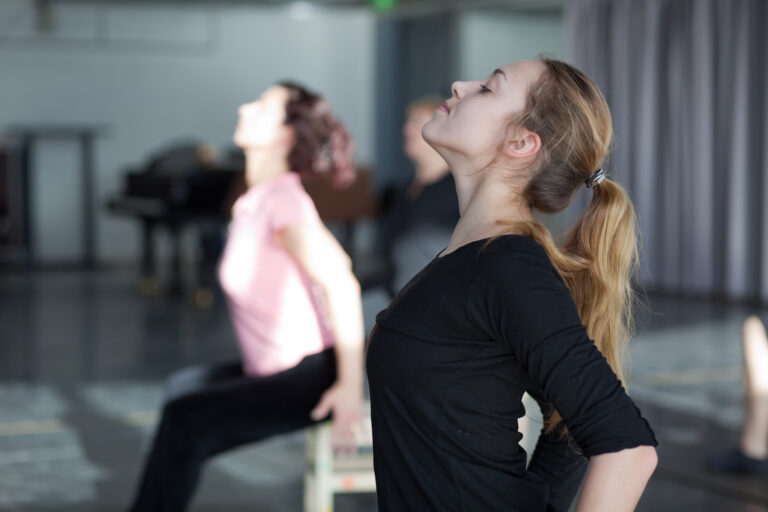
Breathing directly influences muscle tension, posture, and the quality of movement. At Praxis Lämmerhirt, we combine regulating breathing techniques, body-oriented work, and conscious breathwork – focusing on the interconnections between breathing, posture, and movement patterns.
The Method
Integrative breathwork does not view breathing in isolation, but rather in the context of posture, tension, the nervous system, and movement. We begin by observing how a person breathes – and which patterns have developed as a result of stress or strain.
How we work
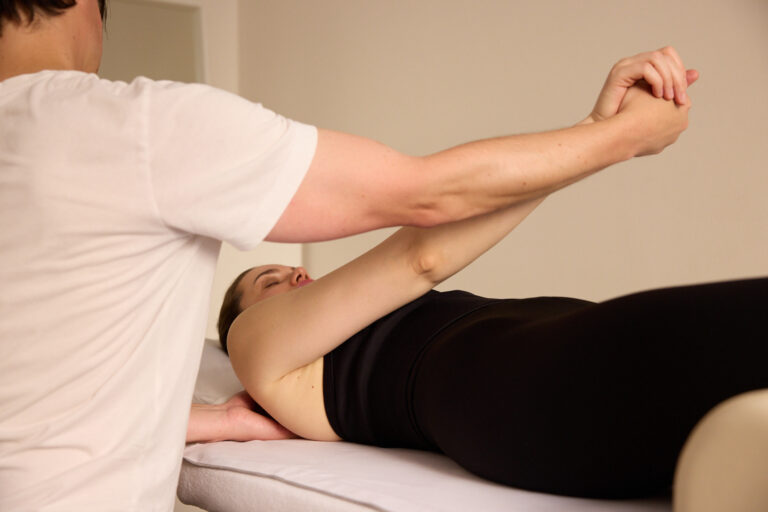
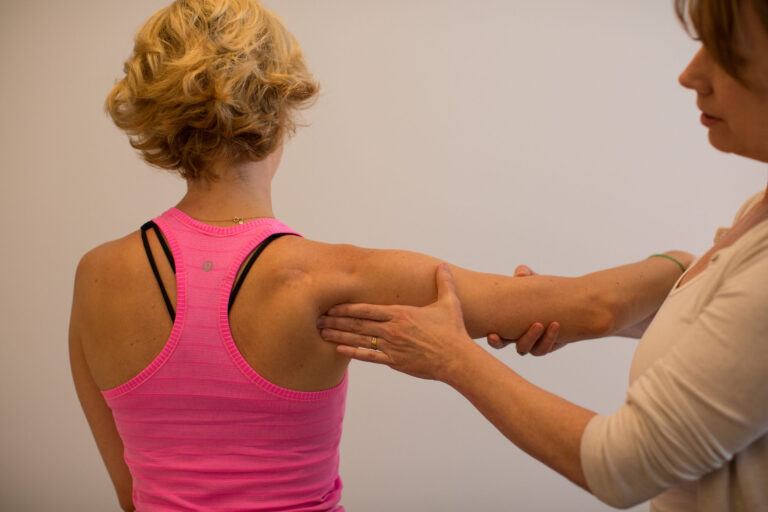
Due to tension, postural patterns, stress, or bodily changes – such as those following pregnancy or associated with chronic pain – many people’s breathing shifts primarily to the upper chest. This results in shallower breathing and increased engagement of the accessory respiratory muscles in the neck, shoulders, and jaw. Through manual therapy and targeted movement work, we foster a more natural breathing pattern: mobilizing the rib cage, opening the shoulder area, and activating the diaphragm.
Typical goals
We work on functional breathing and breathing movement, help you become more aware of tension and postural patterns, support physical stability, and look at how breath and movement can be better aligned again.

You’ve come to the right place if...
Breath & Regulation
Tension and Connections
Physically anchored
Integrative breathwork is particularly beneficial in this regard.
Integrative breathwork can be beneficial when breathing, tension, and movement no longer work together effectively – whether due to stress, sustained strain, postural patterns, or physical changes. In this process, we look beyond the breath itself to the underlying factors: ribcage movement, the shoulder girdle, core tension, and diaphragm control.
Common topics we help with
As a practice with a background in physiotherapy, we combine in-depth knowledge of the body with structured breathwork and movement practice. Our services are designed for individuals, therapists, coaches, and companies seeking to specifically strengthen regulation, resilience, and physical presence.
Breath & Posture
Upright alignment, rib cage mobility, and the shoulder area – targeted work to bring breathing space and posture back into harmony.
Regulation & Resilience
The breath as a tool for calm, focus, and resilience – without pressure, with clear guidance.
Movement integration
Coordinating breathing with movement – so that breath and movement work together instead of hindering each other.
Body awareness
Recognizing and deliberately influencing patterns of tension and movement – as a first step before change can occur.
Neck & Jaw tension
When accessory respiratory muscles in the neck and jaw are chronically overworked – identifying causes and relieving strain.
Breath in Motion
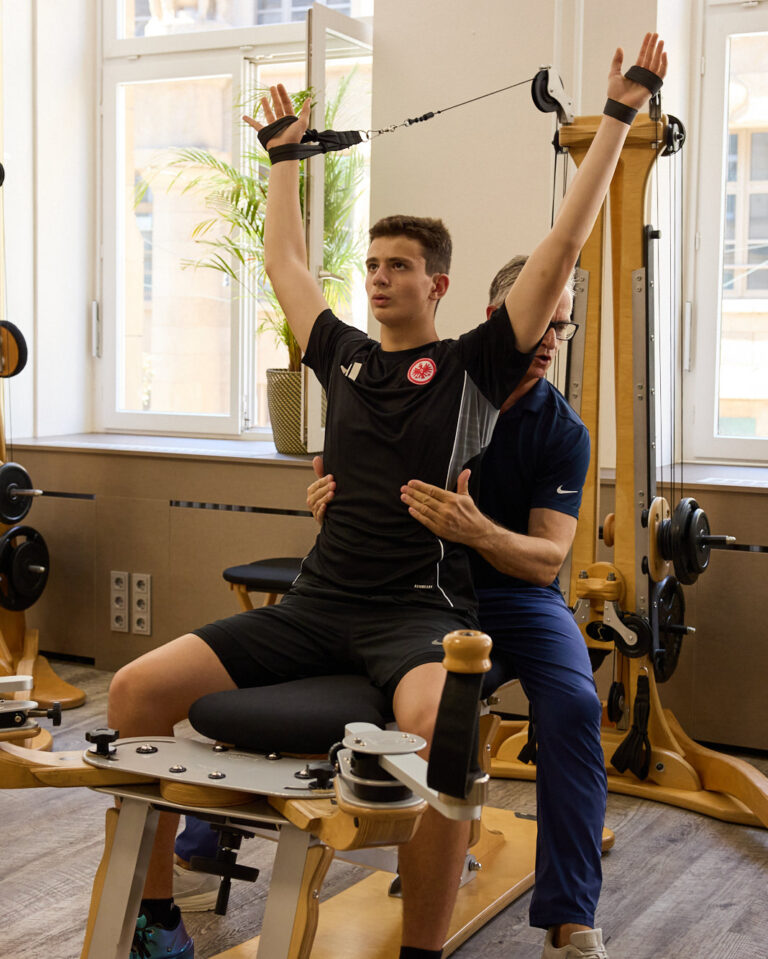
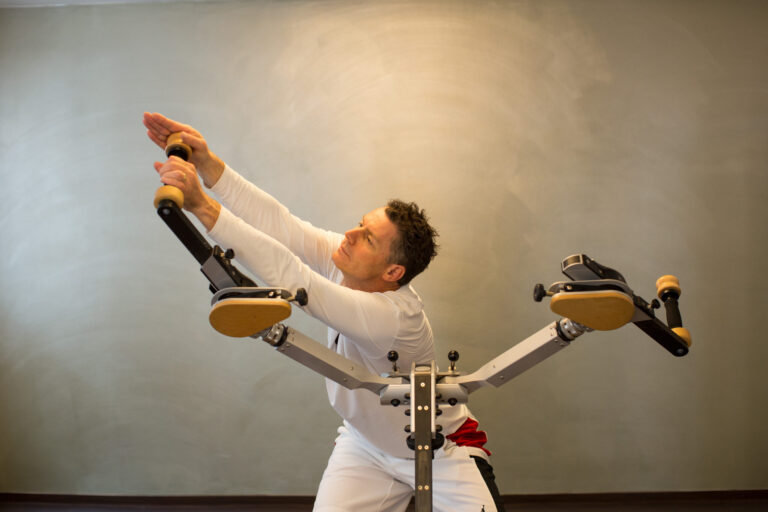
GYROTONIC® and GYROKINESIS® as a framework – breath consciously integrated into fluid, three-dimensional movement sequences.
Supplementary components
Suitable components that we can add depending on the goal:

Your treatment process
Every treatment begins with a detailed consultation and a holistic assessment. We take the time to thoroughly understand your symptoms, movement patterns, and the physical demands of your daily life.
We then create your personal therapy plan – individually tailored to your goal, your fitness level, and the medical diagnosis.
Step 1 | Observation & Orientation
We observe how you breathe – breath space, rhythm, and the involvement of the shoulder girdle, neck, and jaw – and which situations influence this.
Step 2 | Open Up & Create Space
Through manual impulses and movement work, we support the ribcage, shoulder area, and torso – enabling freer breathing movement once again.
Step 3 | Regulatory Breathing Techniques & Breathwork
We practice suitable techniques that support regulation – explained in an accessible way so that you can use them outside of your sessions.
Step 4 | Integration into Movement & Daily Life
You will receive simple exercises for home – and we will incorporate them into existing movement routines as needed.

Did you know?
Focus on common complaints
Sometimes the first question isn't about the method – but rather what makes sense for your specific needs.
In the "Common Complaints" section, you will find guidance on frequently occurring conditions – featuring clear information, sensible next steps, and appropriate therapeutic components.
FAQ – Frequently Asked Questions
Didn't find what you were looking for? We would be happy to assist you personally.
What is integrative breathwork?
A body-oriented approach that integrates breathing, the nervous system, posture, and movement – incorporating regulatory breathing techniques, bodywork, and conscious integration of breath and movement.
What can I expect at the start?
We begin with a conversation and an observation of your breathing pattern – breathing space, tension, and posture. This is followed by appropriate body-oriented prompts and breathing exercises that we work through together.
Will I get exercises to do at home?
Yes. You will receive short, simple exercises that can easily be incorporated into your daily routine.
How many appointments make sense?
That depends on the starting point and the goal. We discuss openly what is realistic and determine what makes sense next on a session-by-session basis.
Is that breathing therapy?
We do not offer conventional respiratory therapy in the medical sense, but rather integrative breathwork: regulatory breathing techniques, body-oriented work, and conscious breathwork—grounded in a background of physiotherapy.
For whom else is the offer of interest?
Also for professionals and companies wishing to specifically strengthen regulation, resilience, and physical presence.
Do I need a prescription?
Physiotherapy can be prescribed by a doctor. If you have private health insurance, are a self-paying patient, or hold supplementary insurance, we will openly discuss which options are suitable.
What should I bring to the first appointment?
If available: referral/prescription, relevant test results, and comfortable clothing. Note: As some people are sensitive to scents, we ask that you refrain from wearing strong perfume. Please feel free to contact us if you are unsure.
Contact & Appointment
If you would like to request an appointment, you've come to the right place. Simply fill out the form – we will get back to you.
Monday to Friday:
8:00 a.m. to 6:00 p.m.
(Appointments by arrangement)
Phone +49 (0) 69 92038093
Email: info@praxis-laemmerhirt.de