Treating a Herniated Disc – Physiotherapy and Exercise Therapy in Frankfurt
A herniated disc does not require rest; instead, it calls for the right movement at the right time. In our therapy for herniated discs, we combine traditional physiotherapy with the GYROTONIC® system and GYROKINESIS® – facilitating targeted spinal decompression and a structured path back to physical resilience.
What happens
In the case of a herniated disc, the affected disc shifts out of its normal position and can compress nerve structures, resulting in pain, numbness, or loss of strength. The goal of any treatment is initially the same: decompression of the spine.
Start passively
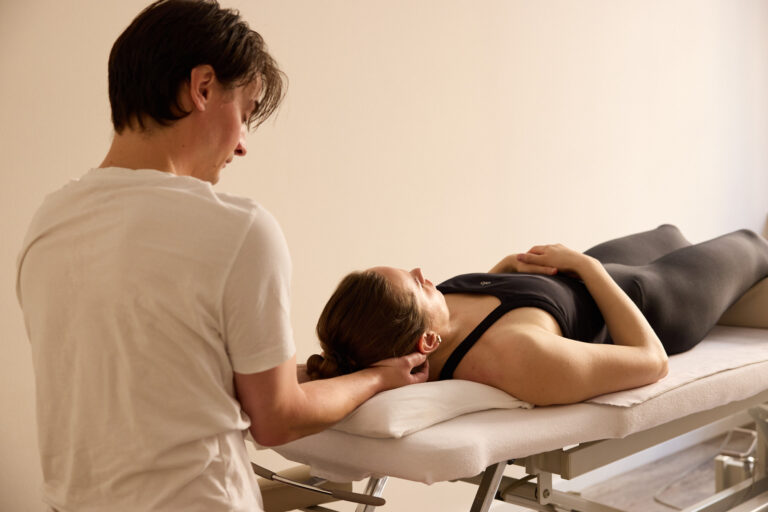
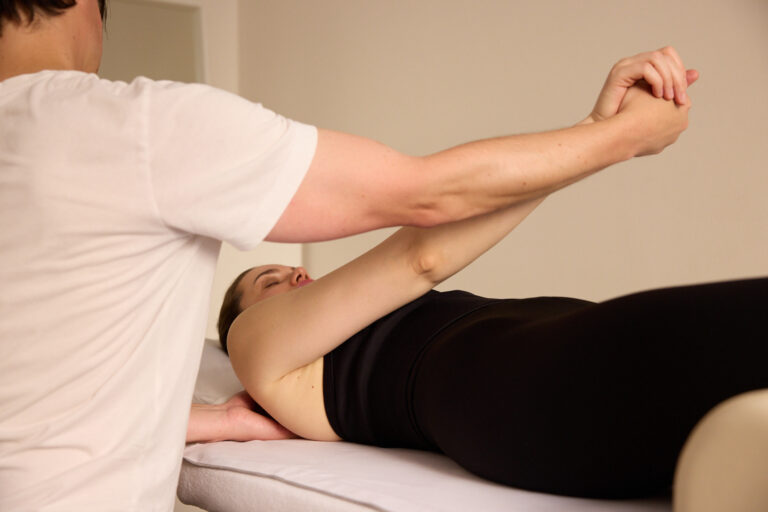
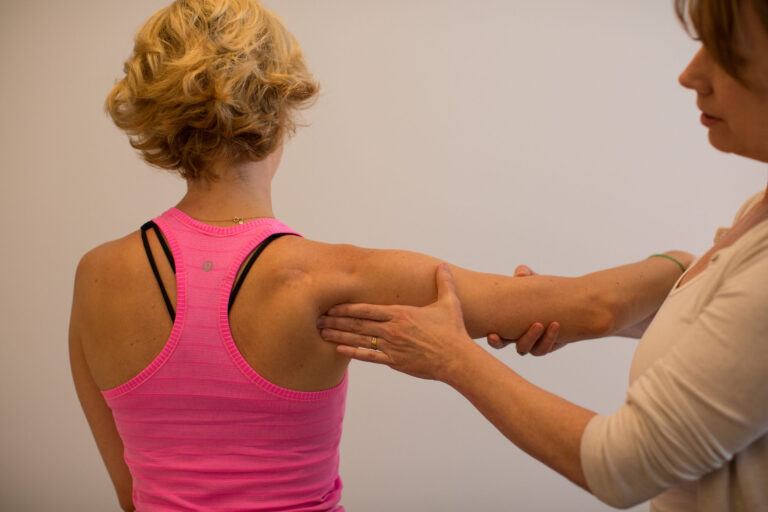
We start exactly where the body is right now. Manual therapy, targeted mobilization, and specific positioning create the conditions that make change possible. During the acute phase, the body does not need to be overwhelmed – it needs orientation.
Lead into the activity
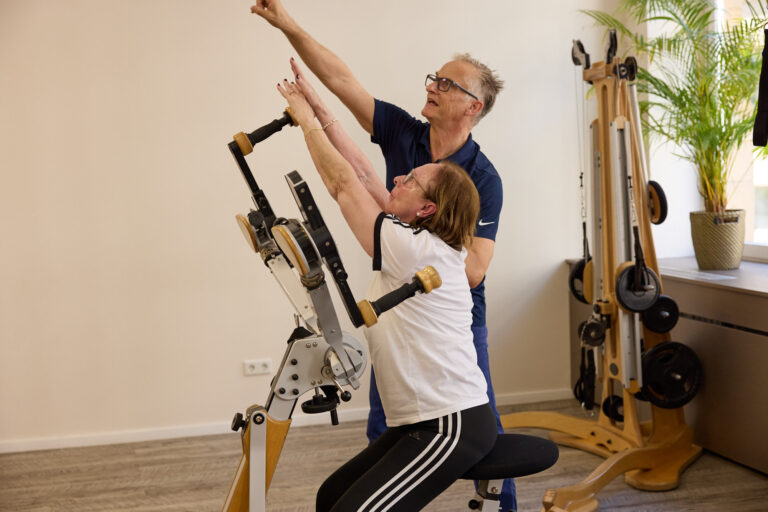
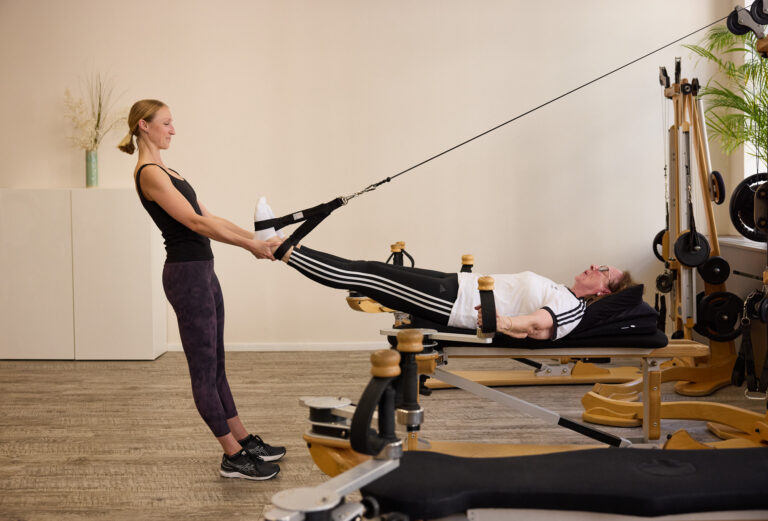
As soon as the situation allows, we transition to active movement. GYROTONIC® & GYROKINESIS® complement traditional physiotherapy – providing decompression during movement, stability, and a gradual increase in load-bearing capacity.
You’ve come to the right place if...
Acute or resolved herniated disc
Less pressure, more mobility
Returning to daily life and sports
Conditions involving spinal discs that we help treat
The course of a herniated disc varies significantly depending on the affected segment, the severity of the herniation, and the individual's physical condition. Clinical experience shows that most patients present not with a single symptom, but with a combination of pain, protective posturing, fear of movement, and impaired daily functioning. Our treatment approach addresses several of these factors simultaneously, employing methods that meaningfully complement one another.
Common topics we help with
Acute pain & protective postures
Manual therapy, targeted positioning, and gentle mobilization lay the foundation – for pain reduction and initial mobility without overexertion.
Spinal decompression
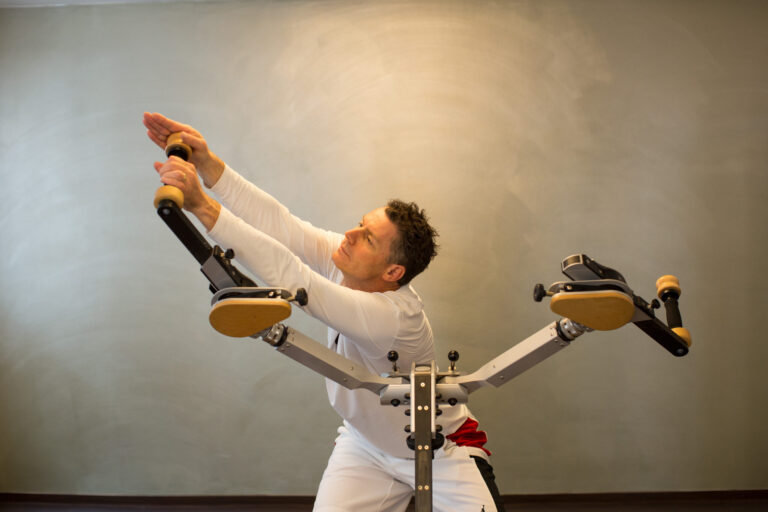
GYROTONIC® employs three-dimensional, fluid movement sequences that actively decompress the spine at every moment – through lengthening and opening rather than compressing and compacting.
Nerve pain & radiating pain
Numbness, tingling, or radiating pain in the leg or arm indicate that nerve roots are affected. We work specifically on mobilizing and relieving the affected structures.
Core stability and muscle building
A resilient back requires coordinative strength – not bulk. We build stability step by step, tailored to the healing process and current load-bearing capacity.
Everyday Integration & GYROKINESIS®
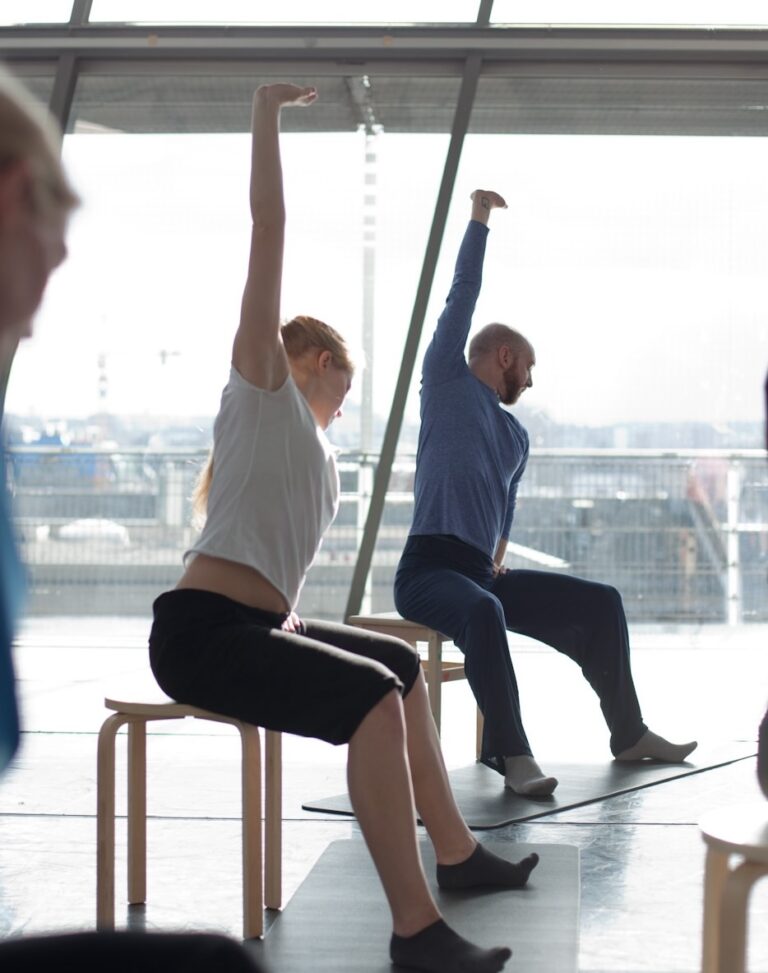
GYROKINESIS® applies the movement principles of GYROTONIC® training to everyday life – using a chair and a mat, without equipment. Short daily sessions support the healing process between appointments.
Returning to Sport and Physical Exertion
When is the right time – and which sports should you choose? We guide you through your return to activity with concrete recommendations and a structured approach.
Supplementary components
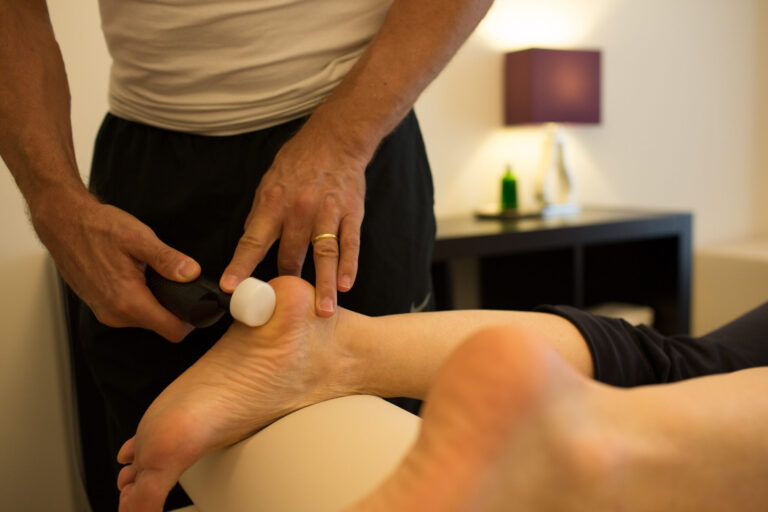
Suitable components that we can add depending on the goal:

Your treatment process
To ensure the treatment is properly focused from the very beginning, we follow a clear structure – from the initial assessment to achieving the level of resilience needed for everyday life.
Step 1 | Medical History & Analysis
We assess the current situation, consider your symptoms and imaging, and determine where to start.
Step 2 | Passive Phase – Offloading & Stabilizing
Manual therapy, mobilization, and targeted positioning reduce pain and create the prerequisites for active movement.
Step 3 | Active conditioning with GYROTONIC®
As soon as the situation permits, we integrate the GYROTONIC® system – for decompression through movement, the development of coordinated strength, and a new sense of body awareness.
Step 4 | Transfer to Daily Life & Independent Exercises
GYROKINESIS® sequences and specific home exercises ensure progress between sessions – short, practical, and tailored to your daily routine.

Did you know?
Focus on common complaints
Sometimes the first question isn't about the method – but rather what makes sense for your specific needs.
In the "Common Complaints" section, you will find guidance on frequently occurring conditions – featuring clear information, sensible next steps, and appropriate therapeutic components.
FAQ – Frequently Asked Questions
Didn't find what you were looking for? We would be happy to assist you personally.
When can I start exercising again after a herniated disc?
During the acute phase – typically lasting two to six weeks – the primary focus is on pain reduction and stabilization. What is almost always possible during this time are gentle, decompressing forms of movement, such as chair-based GYROKINESIS® or brief mobilization sequences. When it comes to returning to sports, we are guided by three factors: being pain-free in daily life, having sufficient core stability, and the ability to actively control the spine.
Which sports are suitable after a herniated disc?
Forms of exercise that lengthen the spine rather than compressing it are well-tolerated: swimming, Nordic walking, cycling in an upright position, and GYROTONIC®. Sports involving strong rotational and compressive forces are less suitable during the early phase. This does not mean they are permanently ruled out – but building a solid foundation comes first.
How long does rehabilitation take after a herniated disc?
This depends on the severity of the incident, the individual's physique, and the consistency of the therapy. Three to six months is a realistic timeframe for achieving stable improvements. Experience shows that those who consistently perform the exercises between appointments make faster progress.
Can a herniated disc heal without surgery?
In most cases, yes. Studies show that the majority of herniated discs can be successfully treated conservatively. The body is capable of partially reabsorbing disc tissue. We work closely with orthopedists and neurosurgeons and make targeted referrals when necessary – our primary approach is conservative movement therapy.
Do I need a prescription?
Physiotherapy can be prescribed by a doctor. If you have private health insurance, wish to pay for treatment yourself, or hold supplementary insurance for naturopathic treatments in addition to your statutory health insurance, we will discuss the options that are right for you in a transparent manner.
What should I bring to the first appointment?
If available: referral/prescription, relevant test results, and comfortable clothing. Note: As some people are sensitive to scents, we ask that you refrain from wearing strong perfume. Please feel free to contact us if you are unsure.
Contact & Appointment
If you would like to request an appointment, you've come to the right place. Simply fill out the form – we will get back to you.
Monday to Friday:
8:00 a.m. to 6:00 p.m.
(Appointments by arrangement)
Phone +49 (0) 69 92038093
Email: info@praxis-laemmerhirt.de